

Issues
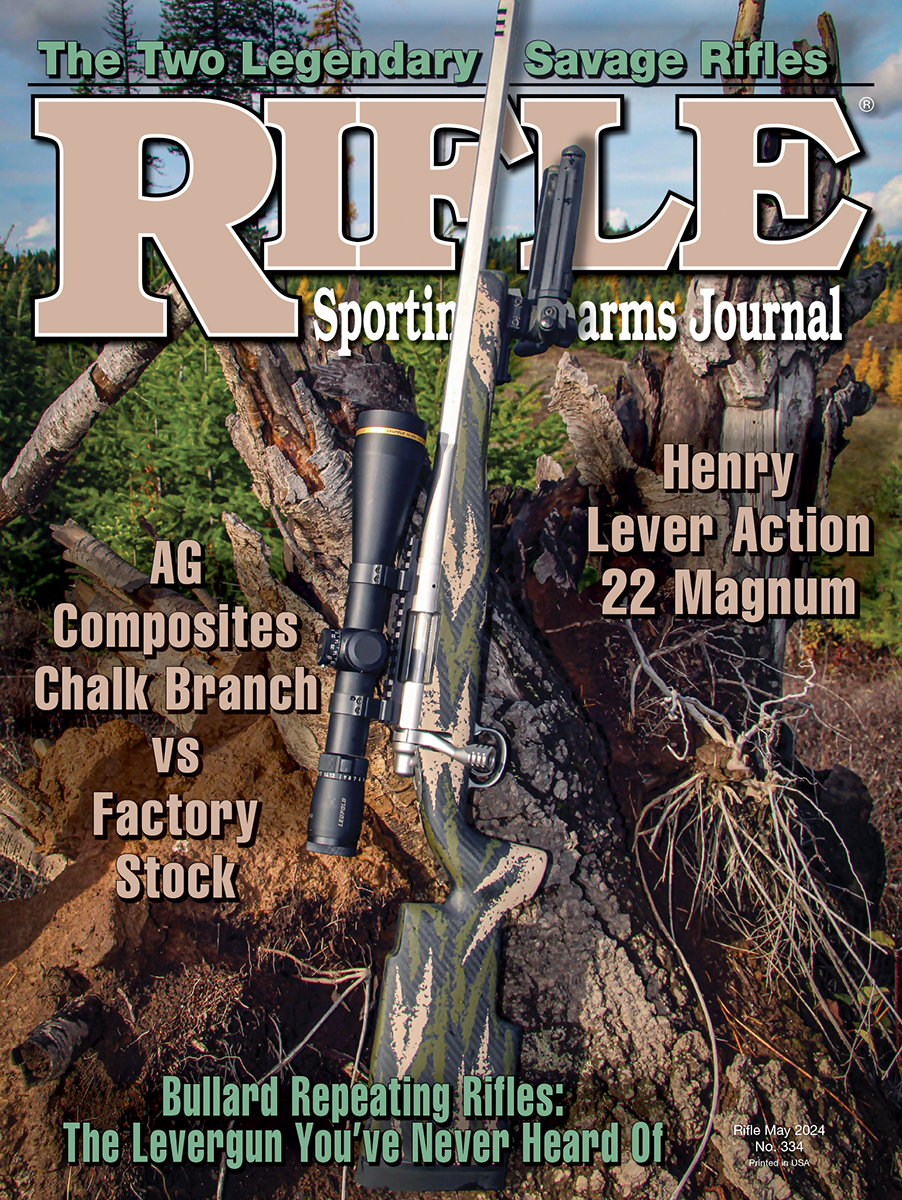
Rifle May-June 2024
This issue features AG Chalk Branch Rifle Stock, Savage Arms, Notes on Barrels, Strasser’s RS 700, Bullard Repeating ...
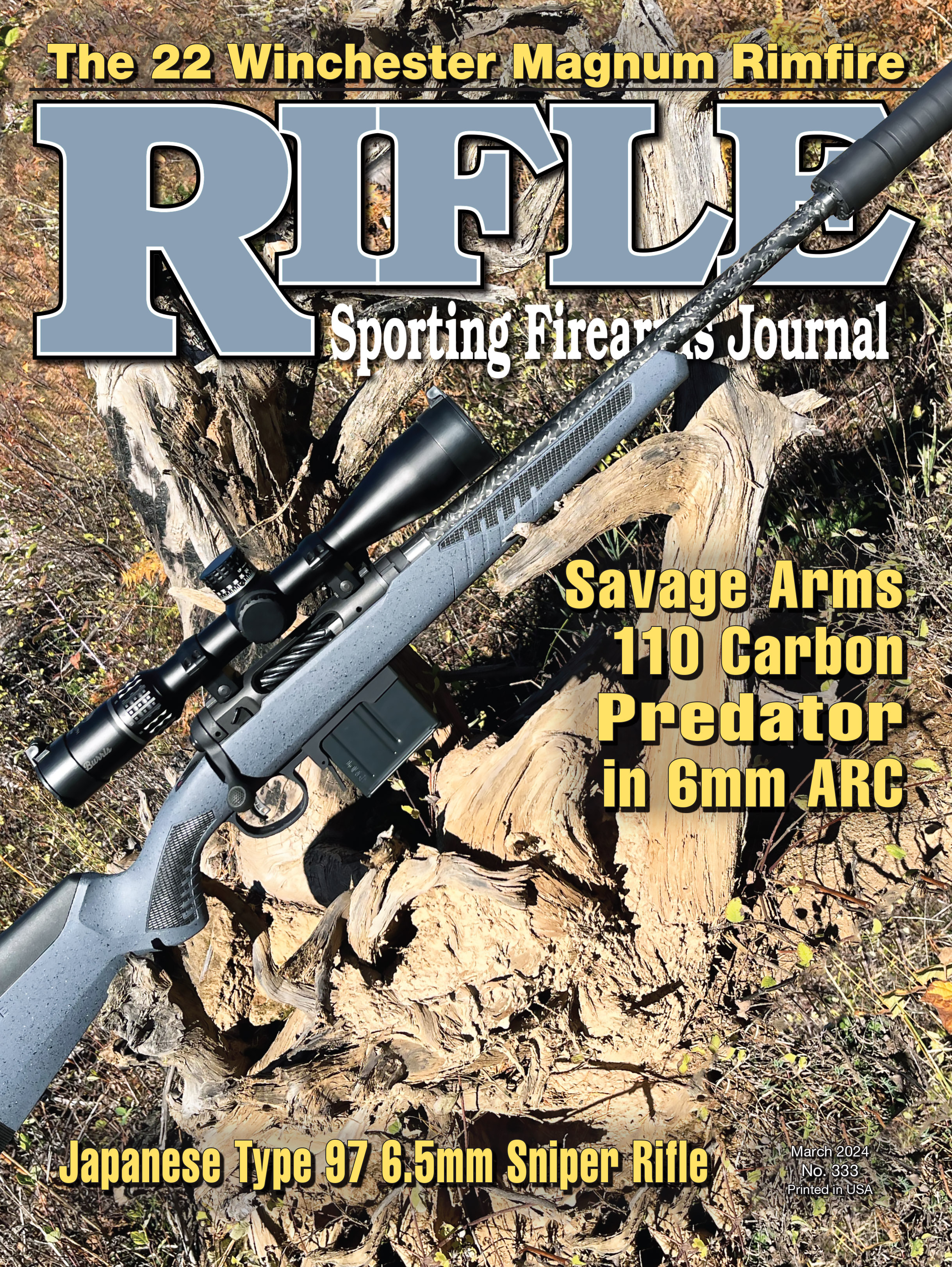
Rifle March-April 2024
This issue features Savage Arms 110 Carbine Predator in 6mm ARC, Japanese Type 97 6.5mm Sniper Rifle, Winchester Post...

Rifle January/February 2024
This issue features Best of the West ALTOPO in 6.5 PRC, Christensen Arms MPR, Early Autoloading Sporters, Tombstone 9...

Rifle November/December 2023
This issue features CZ-USA 600 Range in 308 Winchester, Ruger-Manufactured Marlin Model 1894 Is Back, British No. 4 M...

Rifle September/October 2023
This issue features Benelli Lupo in 6mm Creedmoor, Weatherby’s New 338 RPM, The Dark Horse of Innsbruck, 308 Winchest...
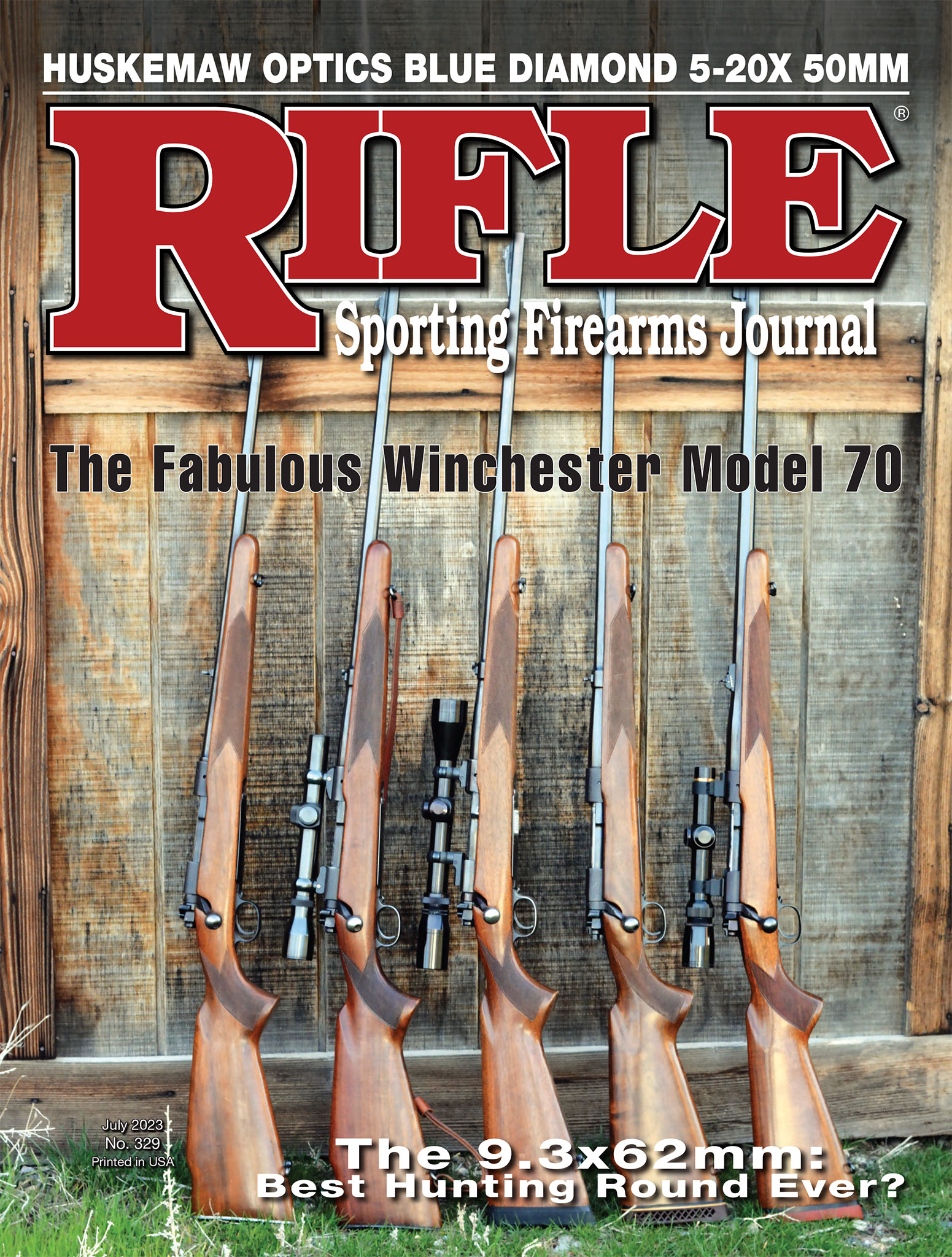
Rifle July/August 2023
This issue features Winchester Pre-’64 Model 70, Dream Dakota, Remington Hepburn No. 3 in 25-20 Winchester, 9.3x62mm,...

Rifle May/June 2023
This issue features Nosler Rifles, Cartridges and Amunition; Hardy Rifle Hybrid with 6.5 PRC & 243 Winchester Barrels...

Rifle March/April 2023
This issue features the Ruger M77, Mauser’s M18 in .270 Winchester, Reloading a Rimfire? Sort of . . ., Military Surp...
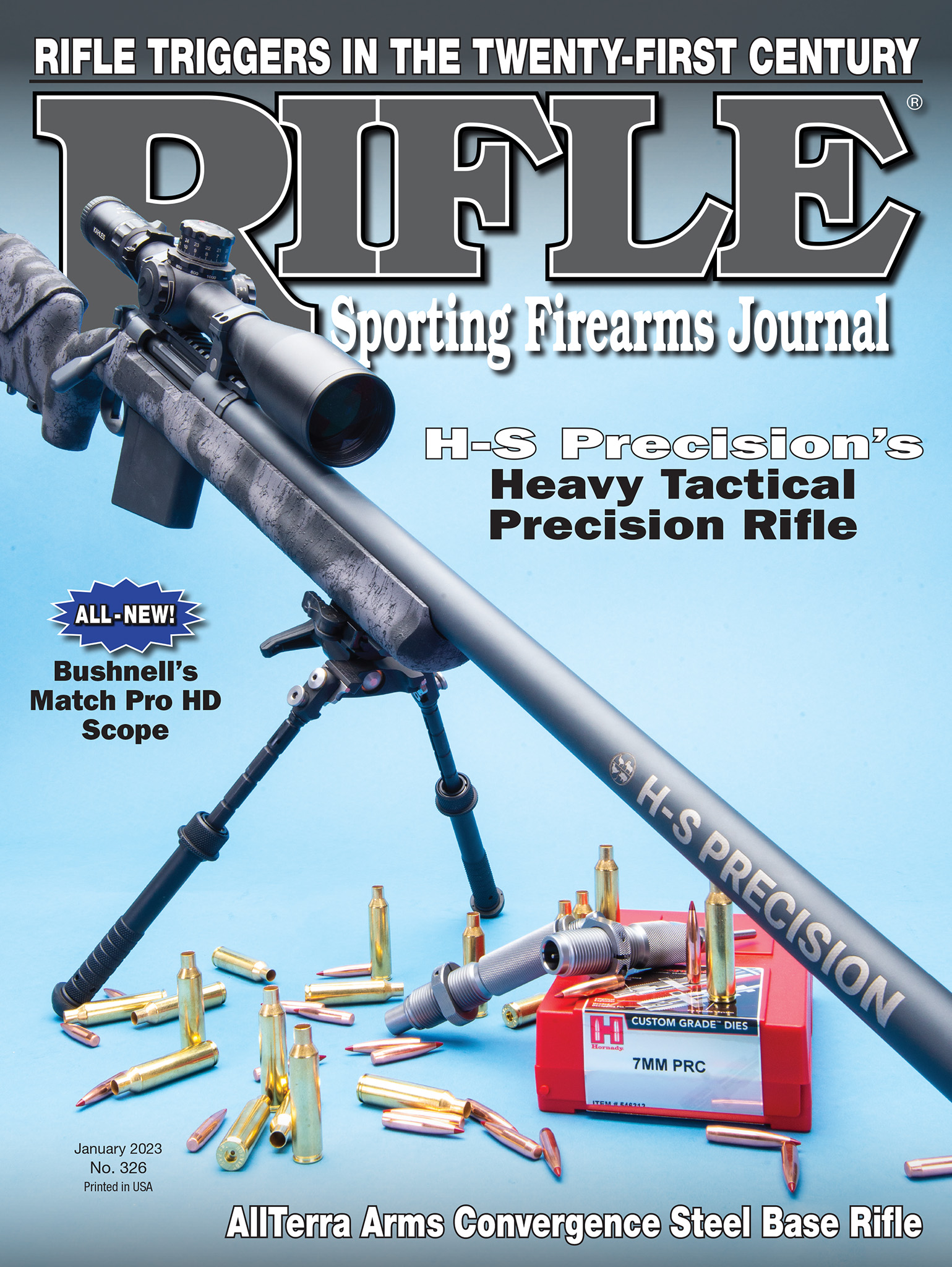
Rifle January/February 2023
This issue features H-S Precision’s Heavy Tactical Precision Rifle, AllTerra Arms Convergence Steel Base Rifle, Vudoo...

Rifle November/December 2022
This issue features Springfield Armory’s M1A Squad Scout, Henry Big Boy X Model .357 Magnum and .45 Colt, Mossberg Pa...
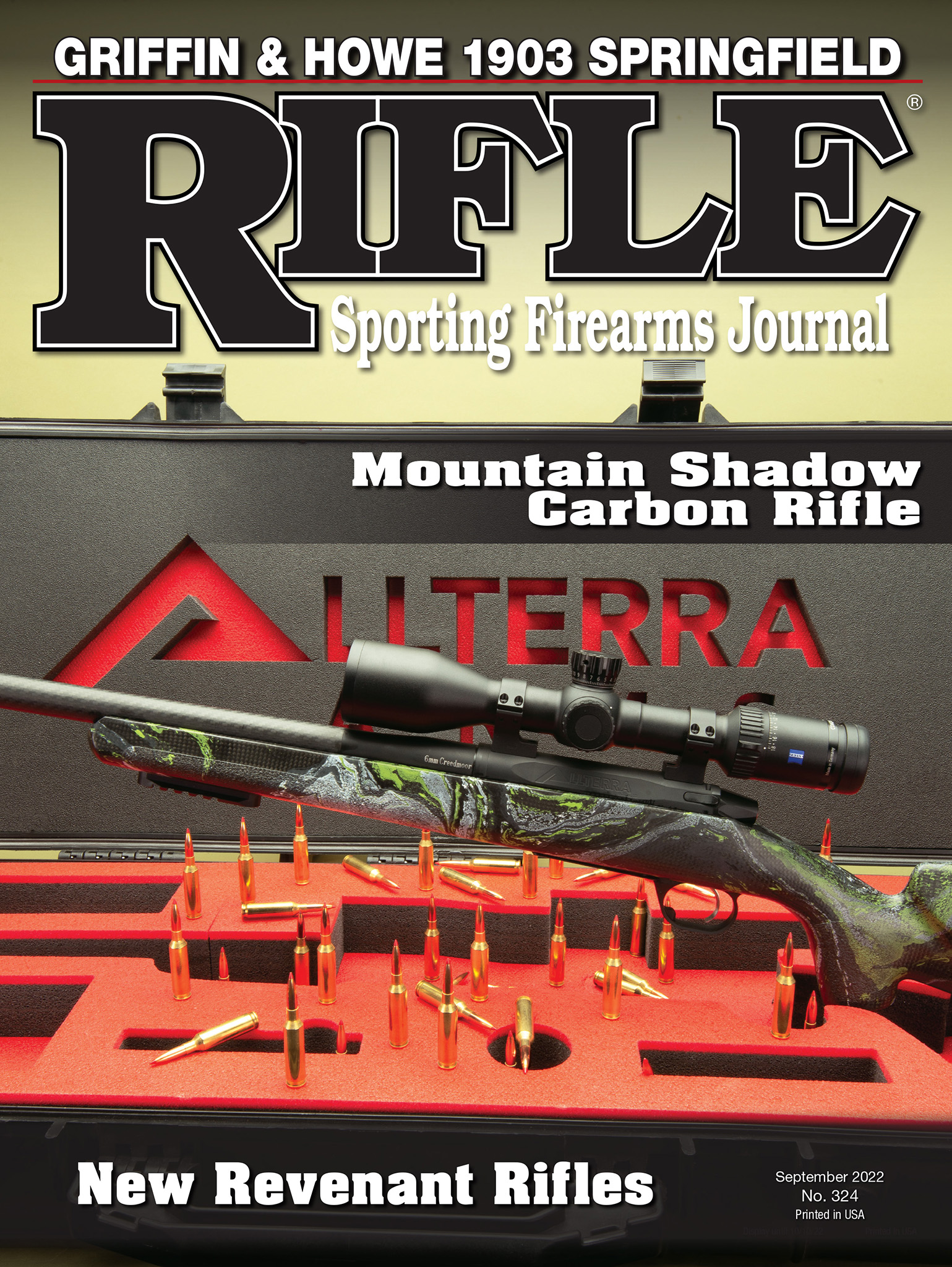
Rifle September/October 2022
This issue features AllTerra Arms Mountain Shadow Carbon Rifle, Uberti King's Improvement Patented Rifles, Griffin & ...
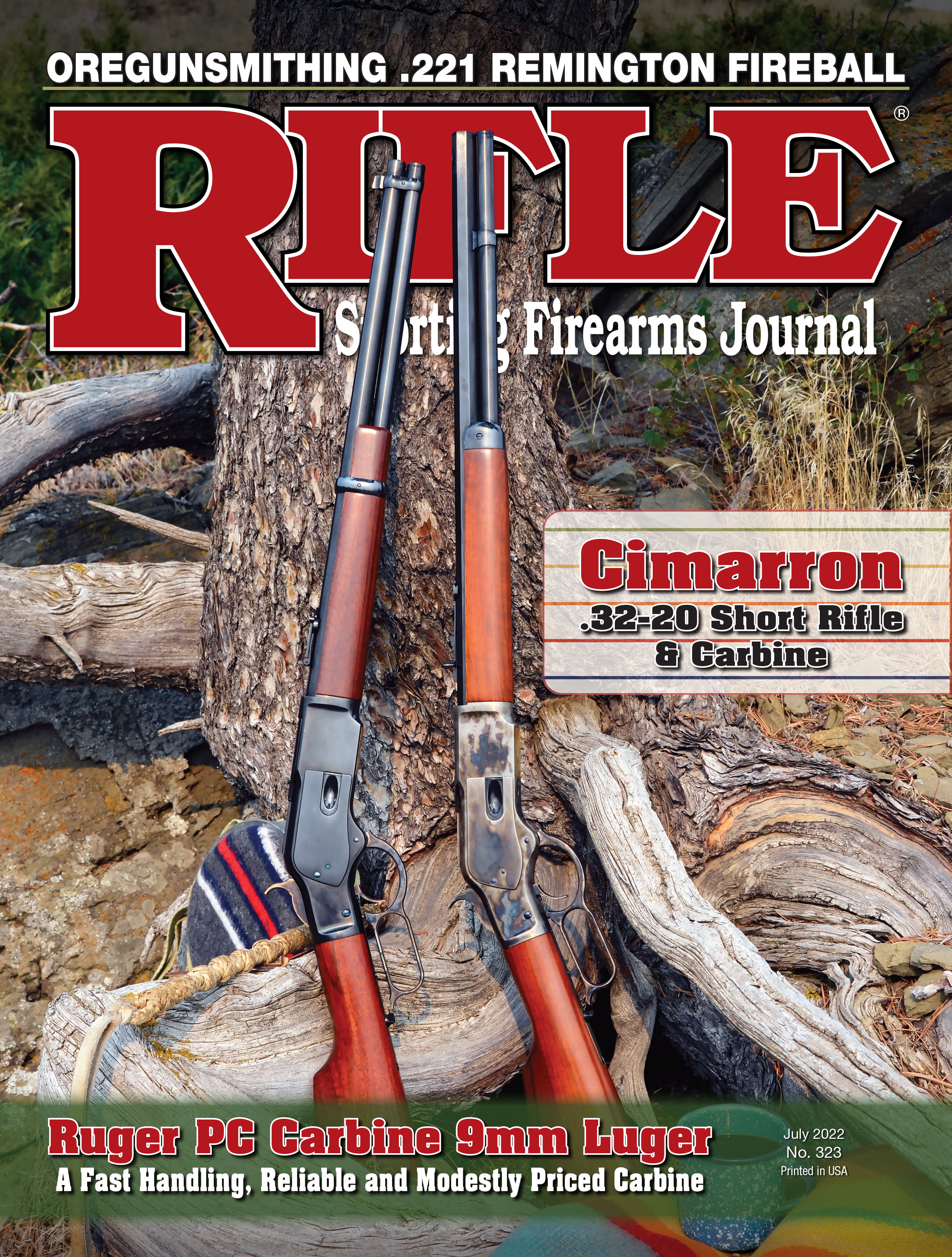
Rifle July/August 2022
Oregunsmithing .221 Remington Fireball, Ruger PC Carbine 9mm Luger, Cimarron, The Pattern 1853 Rifle-Musket, The Perf...

Rifle May-June 2022
This issue features New Marlin 1895 SBL .45-70 Government, Montana Vintage Arms High Wall, Mossberg Went to War with ...
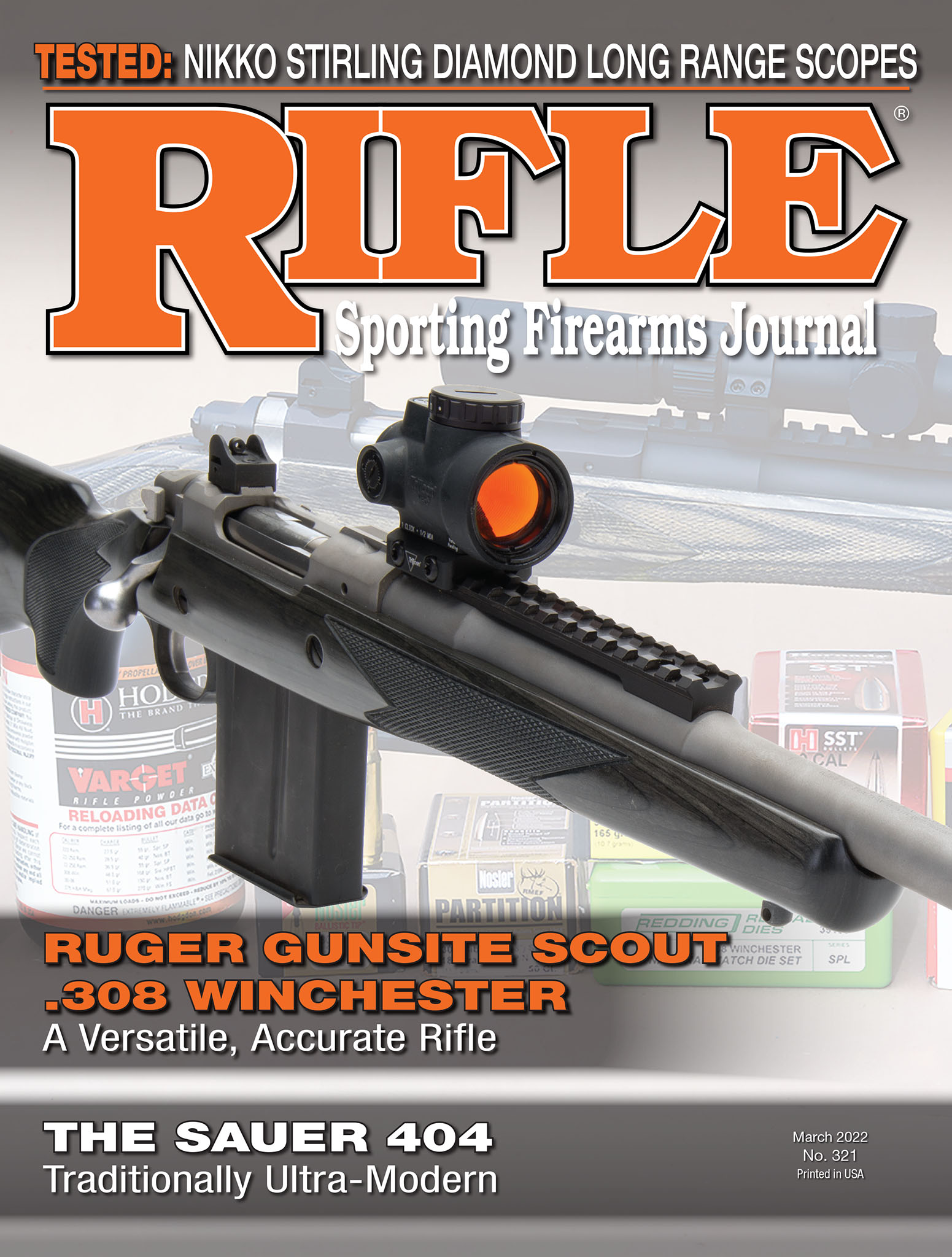
Rifle (March-April 2022)
This issue features Ruger Gunsite Scout .308 Winchester, Traditionally Ultra-Modern, Rock River Arms AR-10, A “CHEAP”...

Rifle January/February 2022
This issue features Federal’s Centennial, Shooting the Echols Legend .375 H&H, Oregunsmithing, .338 Winchester Magnum...
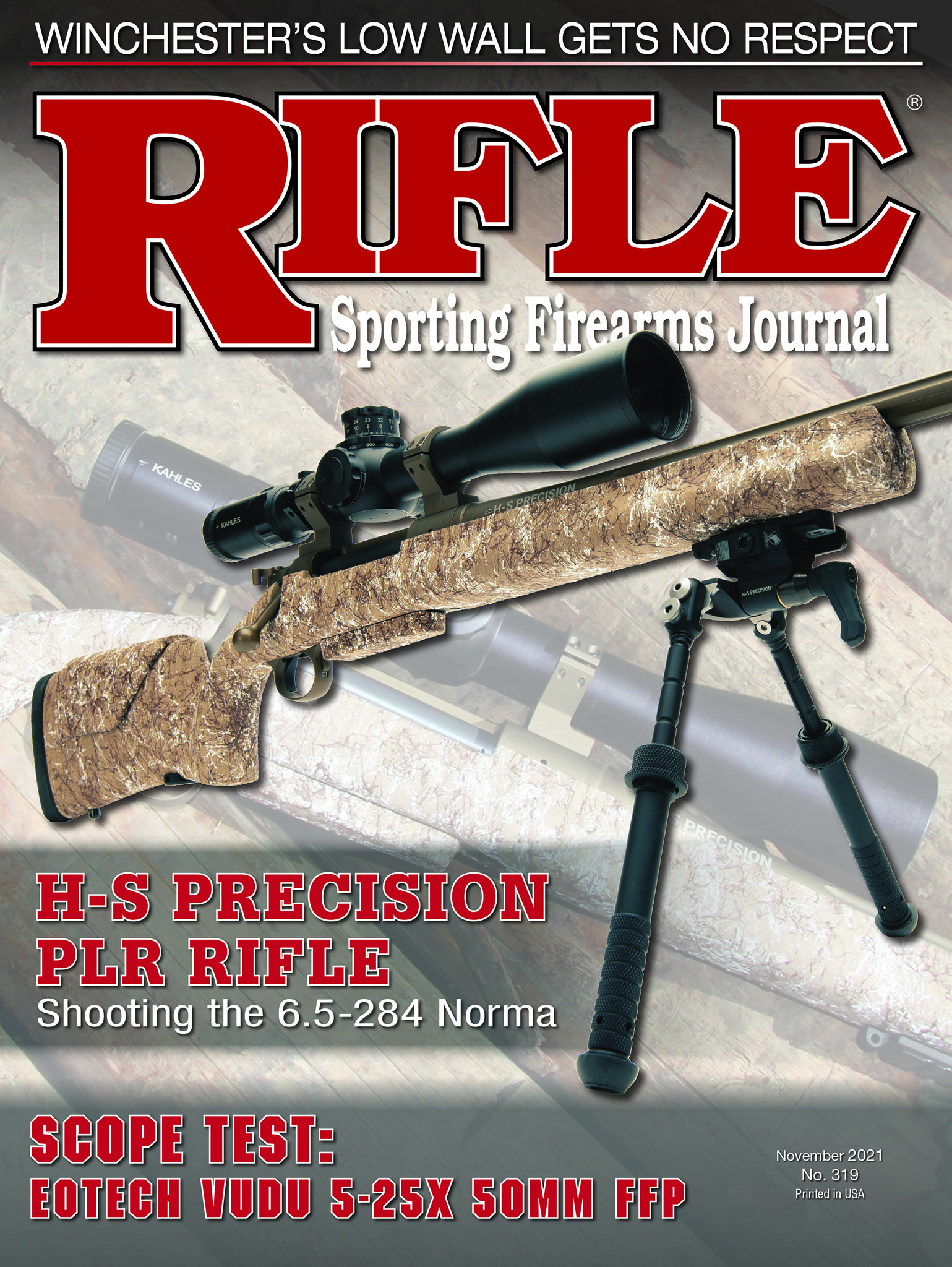
Rifle November/December 2021
This issue features H-S Precision PLR Rifle, Trendsetting Rifle Cartridges, .17 Ackley Hornet, Winchester’s Unloved B...

Rifle September/October 2021
This issue features Winchester’s New 6.8 Western, Springfield Armory’s Model 2020 Waypoint, German Sniper Rifles, Rem...
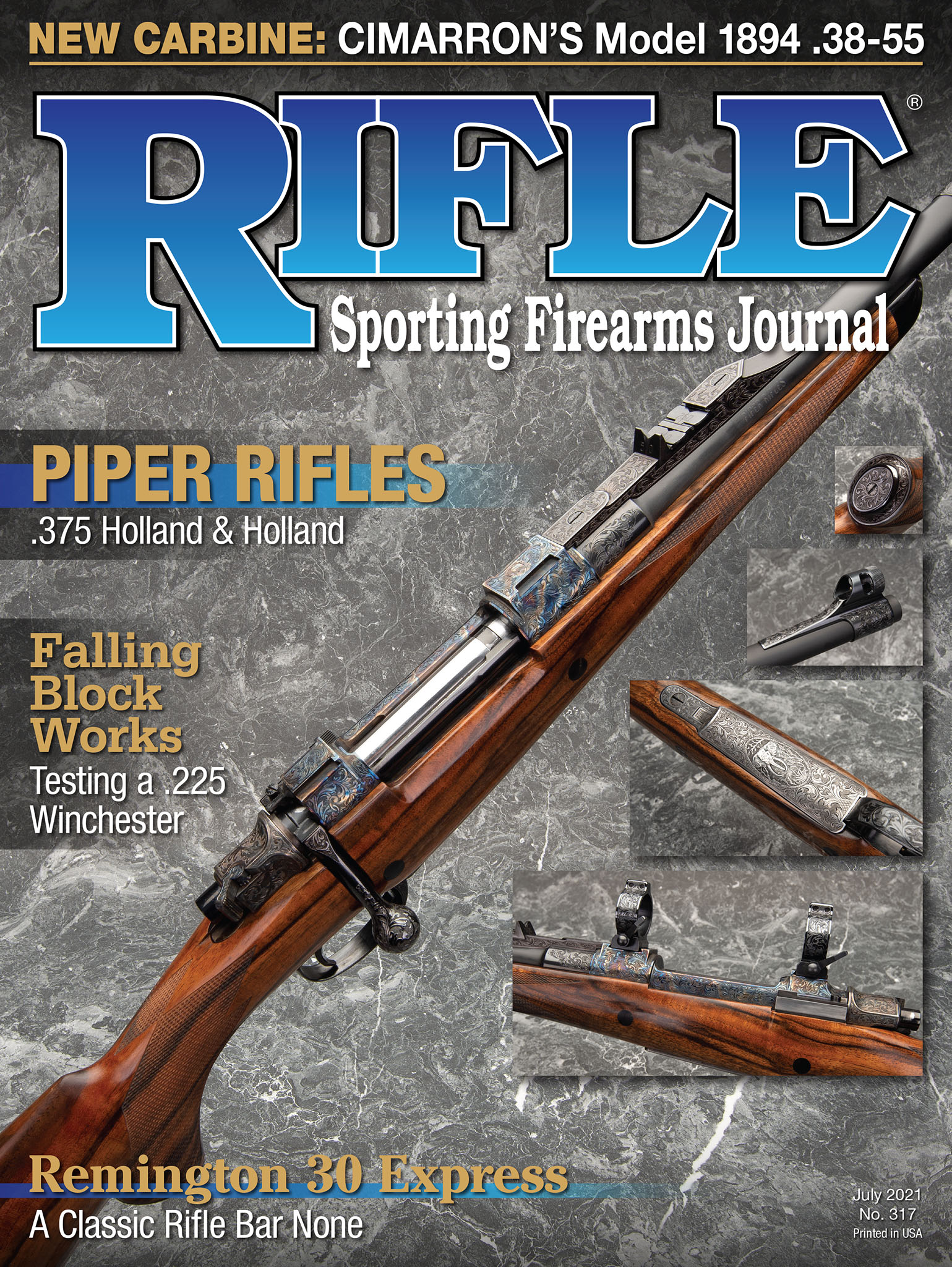
Rifle July/August 2021
This issue features Cimarron Firearms Model 1894 .38-55, Falling Block Works, The Magyar Mini-Magnum, Remington Model...

Rifle May/June 2021
This issue features The Perfect .22?, Long-Range Shooting Tips and Tools, Big .50 No. 1 Rolling Block, Sauer 6.5x57R ...

Rifle March/April 2021
This issue features Winchester’s .44 WCFs, Browning’s X-Bolt Max LR .28 Nosler, Combination Guns, 6.5 Precision Rifle...
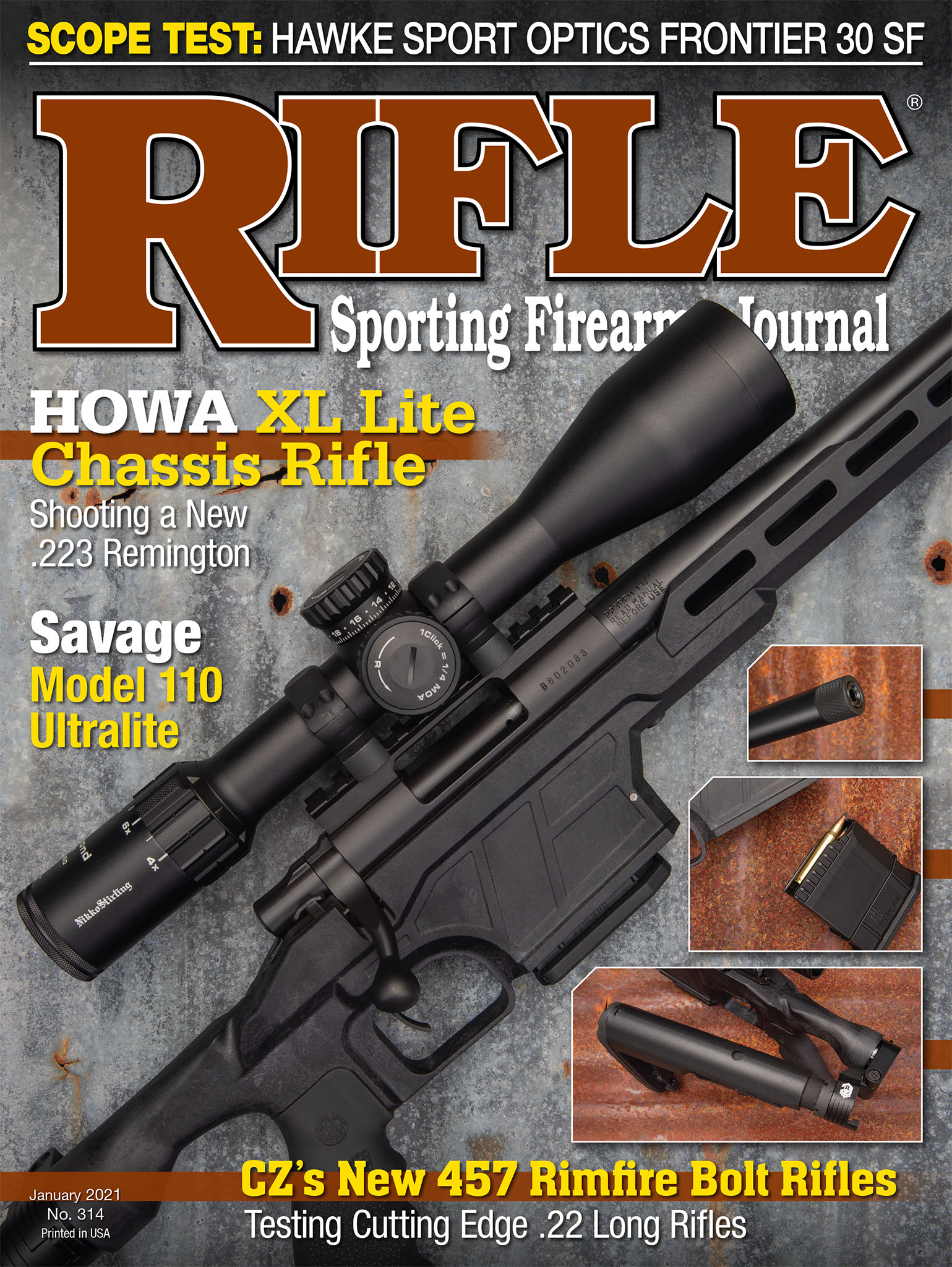
Rifle January/February 2021
This issue features Howa XL Lite Chassis Rifle, CZ’s New 457 Rimfire Bolt Rifles, Savage Model 110 Ultralite, The Joy...
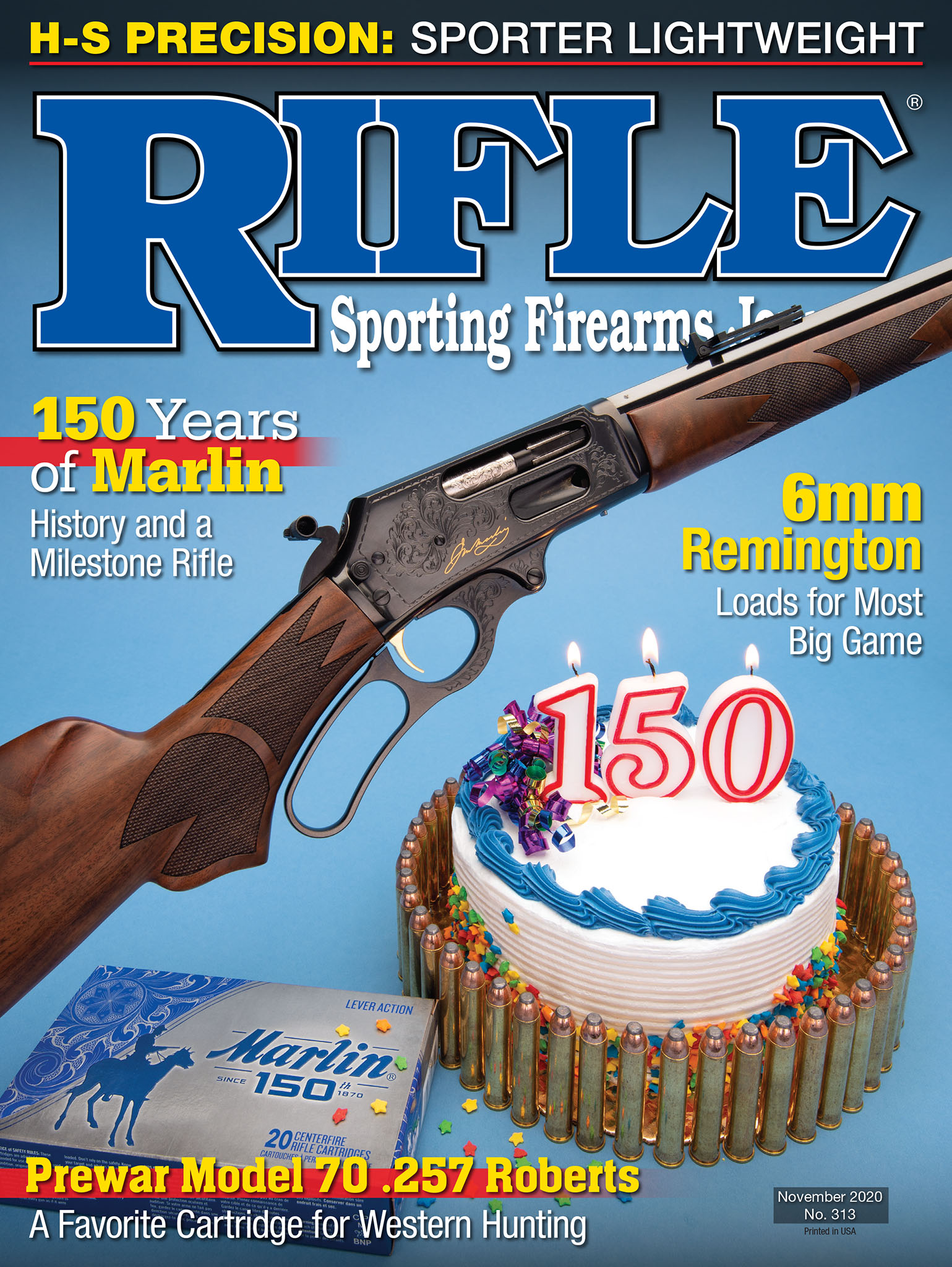
Rifle November/December 2020
This issue features 150 Years of Marlin, That Fancy Rifle, Prewar Model 70 .257 Roberts, H-S Precision Sporter Lightw...
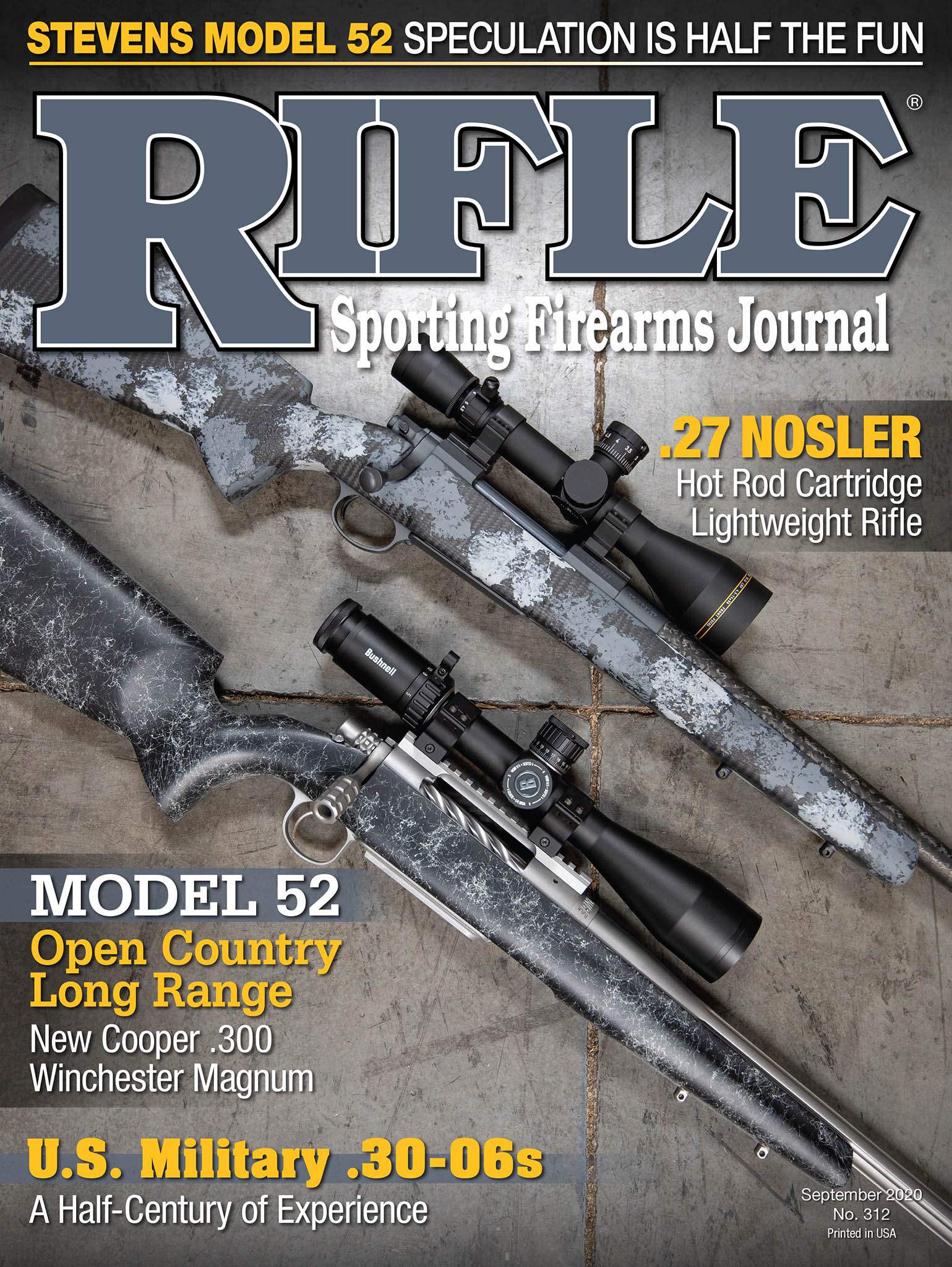
Rifle September/October 2020
This issue features .27 Nosler, Model 52 Open Country Long Range, Stevens Model 52, U.S. Military .30-06s, Marlin Mod...
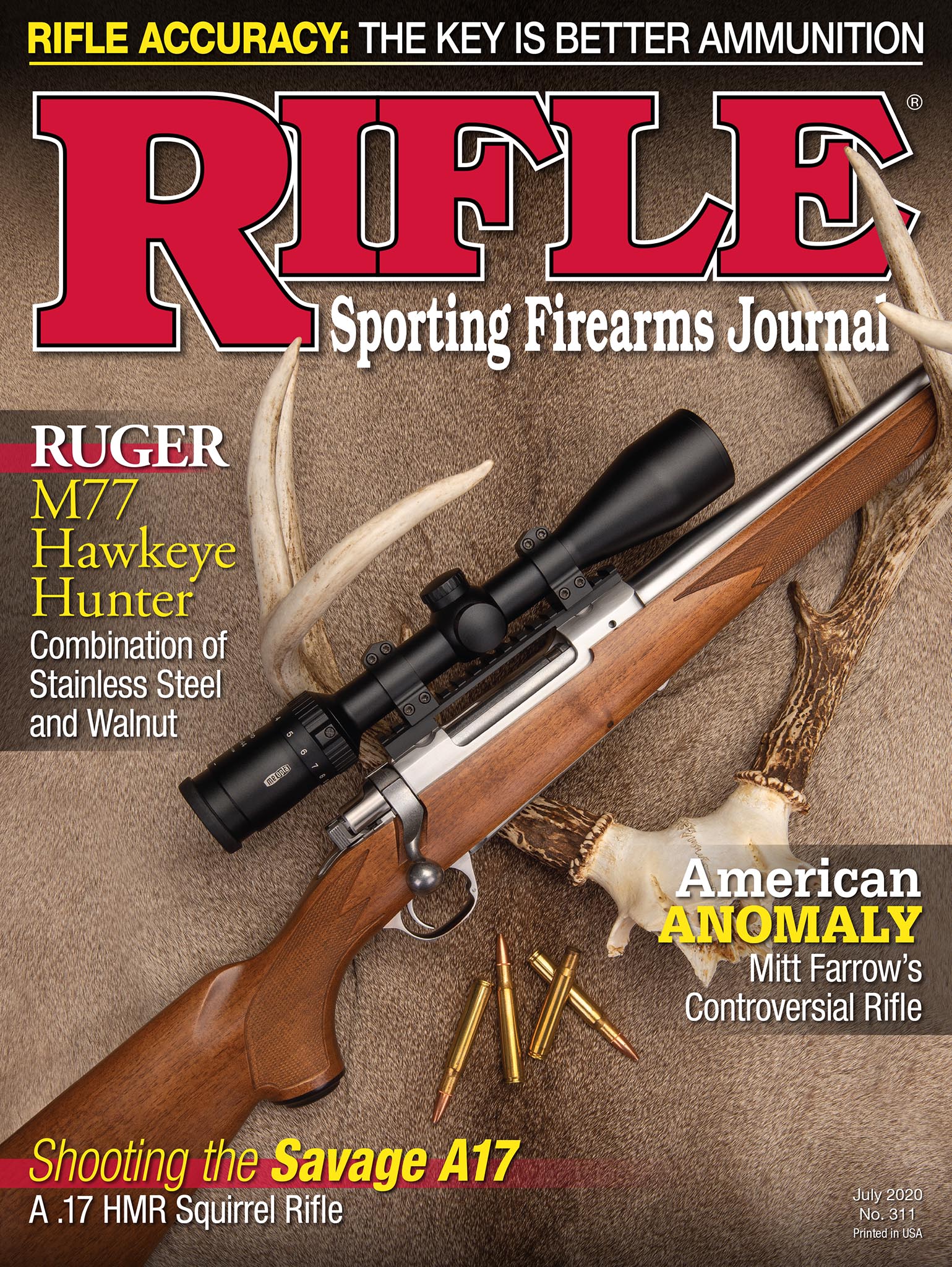
Rifle July/August 2020
This issue features Ruger M77 Hawkeye Hunter, Rifle Accuracy, American Anomaly, Synthetic Rifle Stocks, Shooting the ...
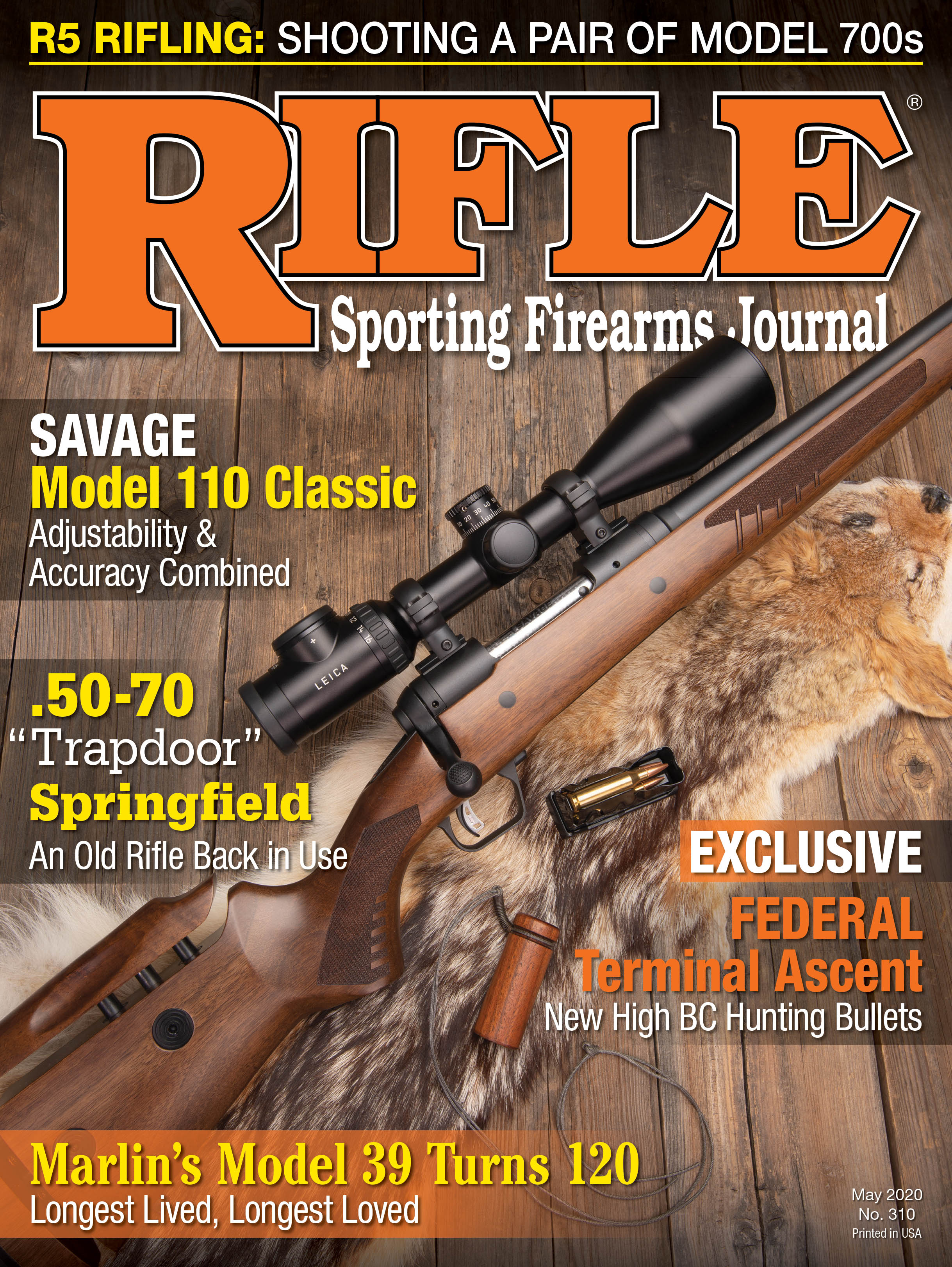
Rifle May-June 2020
This issue features Savage Model 110 Classic, Federal Terminal Ascent, .50-70 “Trapdoor” Springfield, 5R Rifling, Mar...
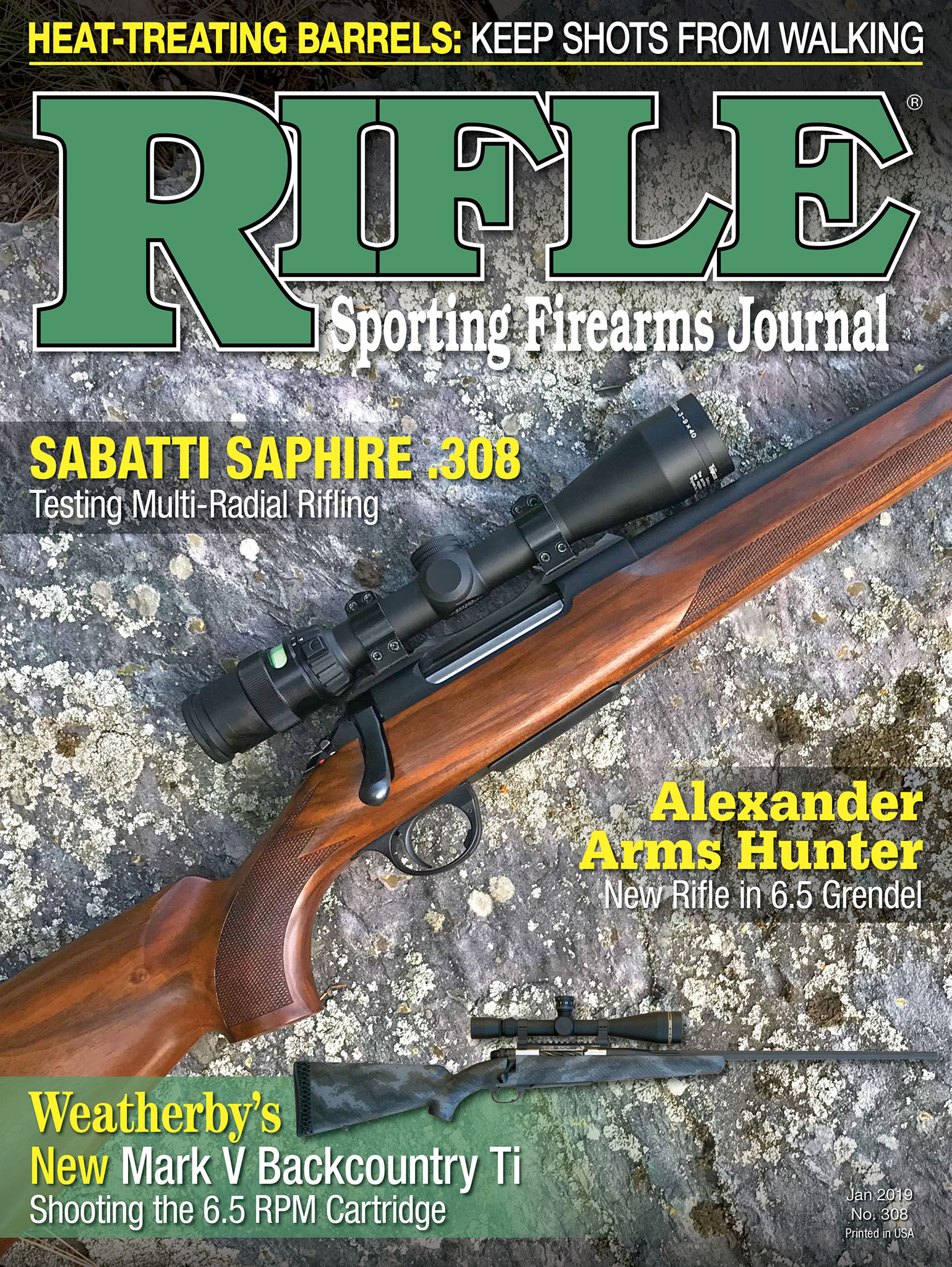
Rifle March-April 2020
This issue features Sabatti Saphire .308, Weatherby’s New Mark V Backcountry Ti, Heat-Treating Barrels, Vintage Sport...
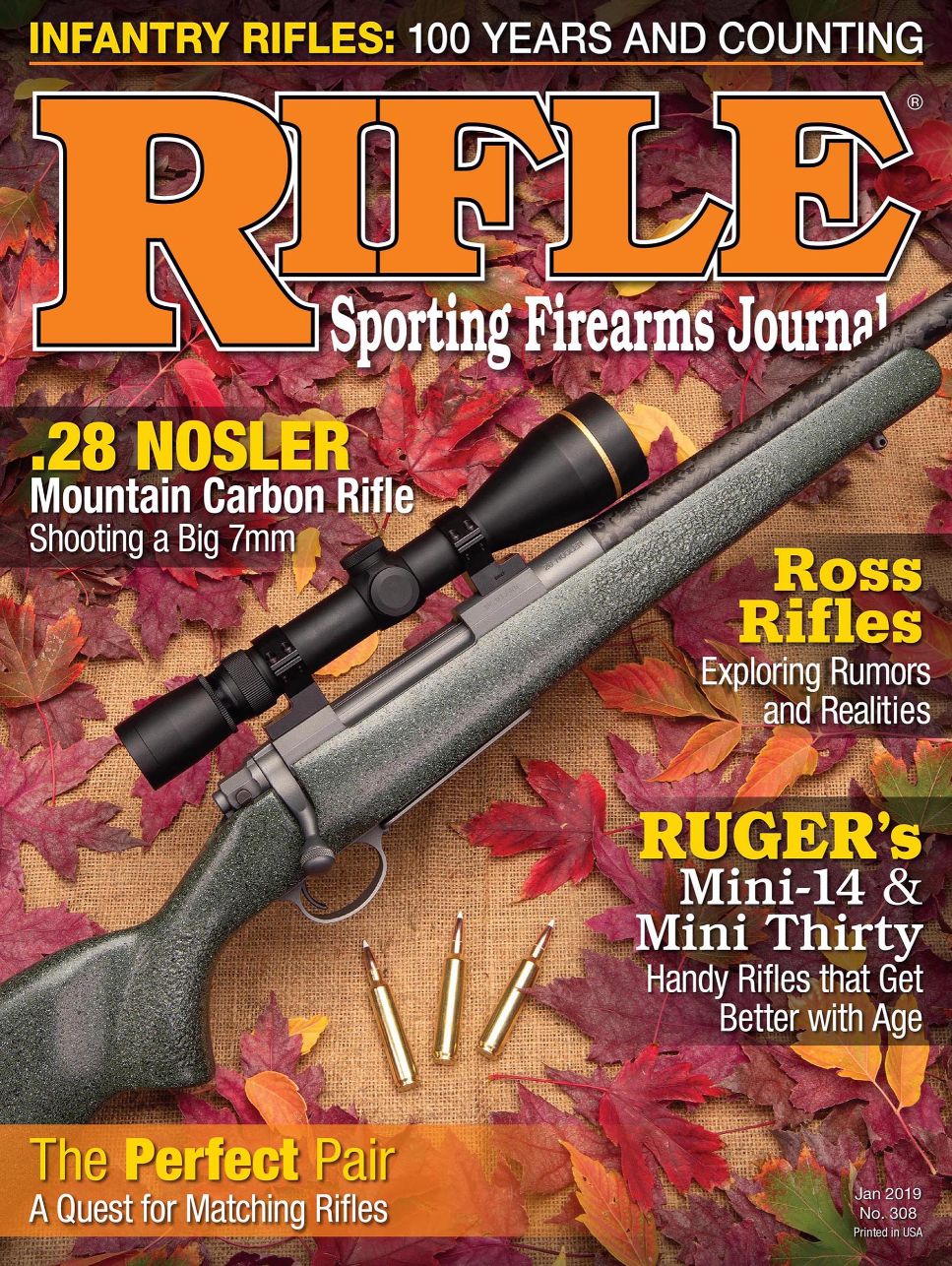
Rifle January/February 2020
This issue features .28 Nosler Mountain Carbon Rifle, Ruger’s Mini-14 and Mini Thirty, Ross Rifles, U.S. Infantry Rif...
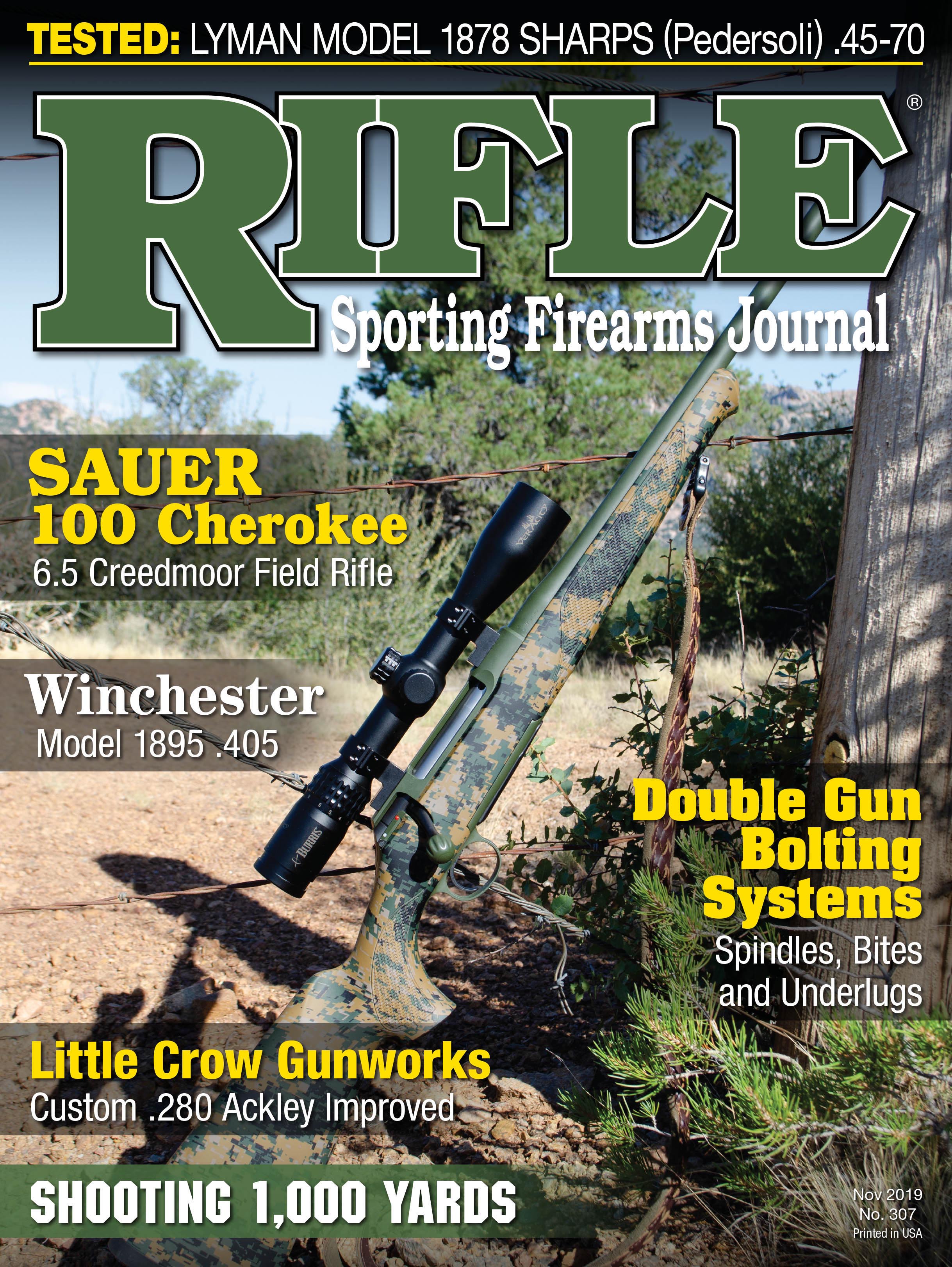
Rifle November/December 2019
This issue features J.P Sauer & Sohn Sauer 100, Lyman Model 1878 Sharps, Double Gun Bolting Systems, Shooting 1,000 Y...

Rifle September/October 2019
This issue features Steel and Walnut, .500 Nitro Express (3-Inch), Peabody-Martini, Thieme-Schegelmilch 9.3x74R, Brow...
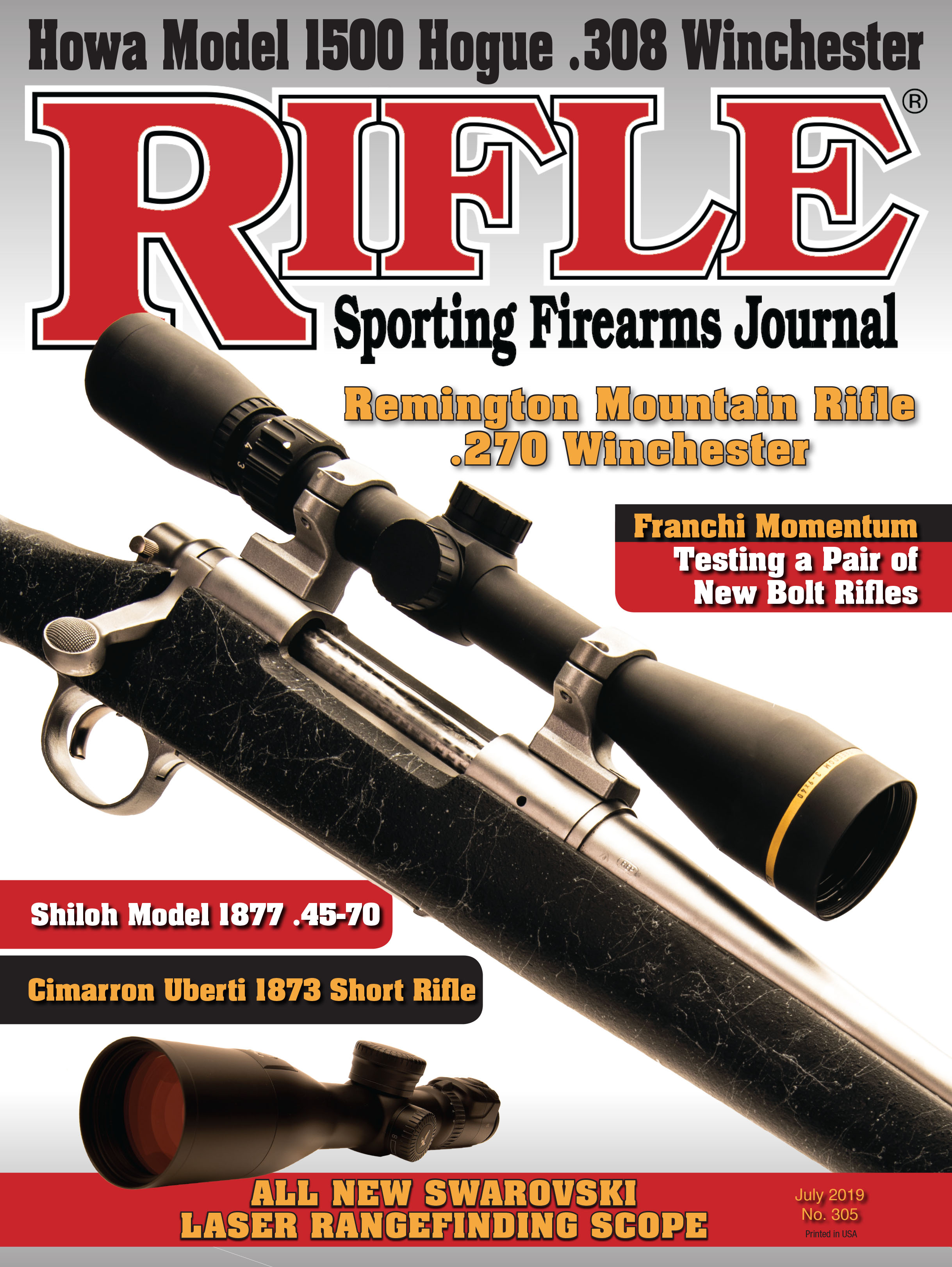
Rifle July/August 2019
This issue features Remington Mountain Rifle, Legacy Sports Howa 1500, Franchi Momentum, Shiloh Model 1877, Coming Up...
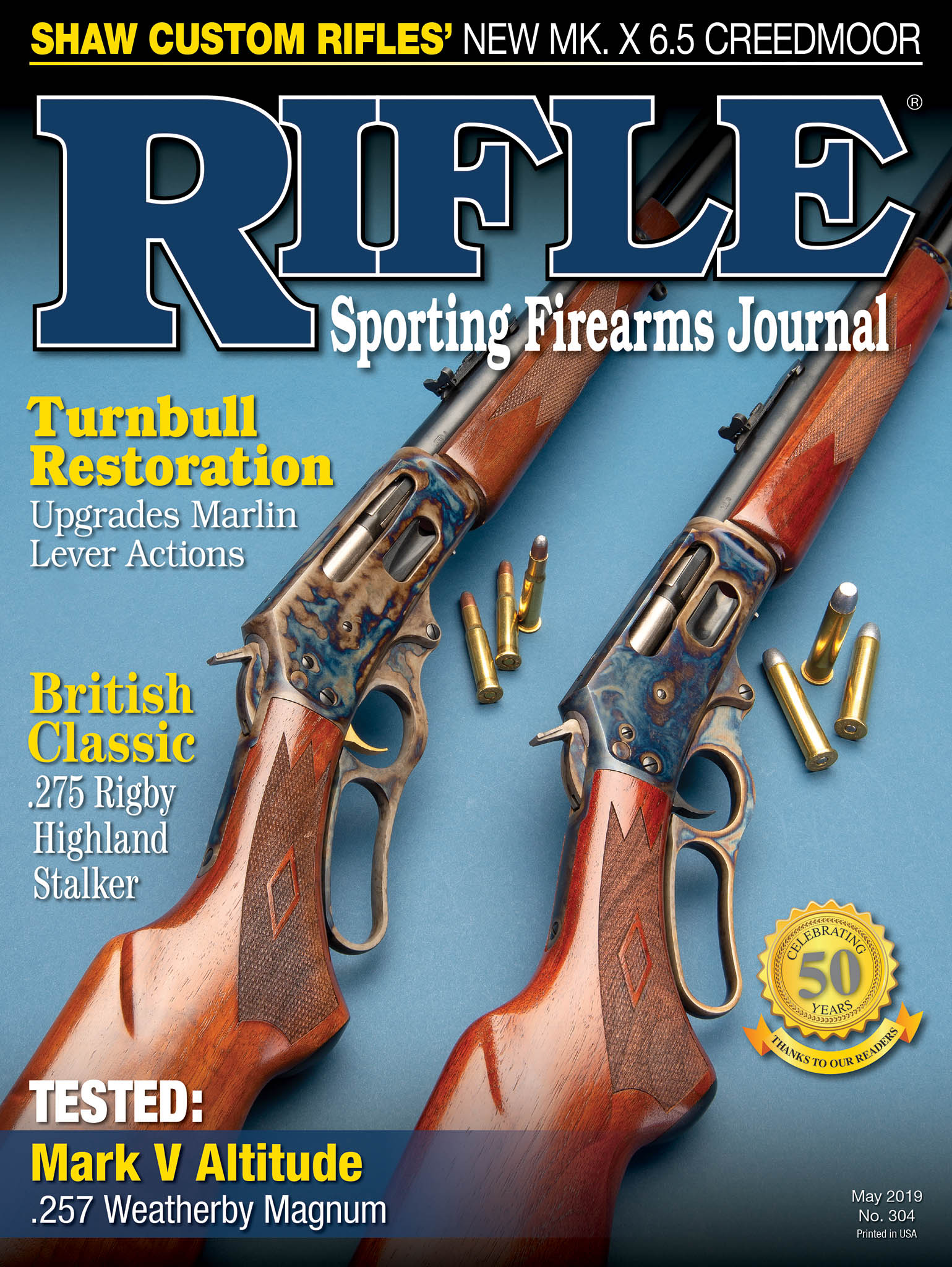
Rifle May/June 2019
This issue features Turnbull Marlins, .275 Rigby Highland Stalker, Shaw Custom Rifles, 130-Shot Group, Mark V Altitud...
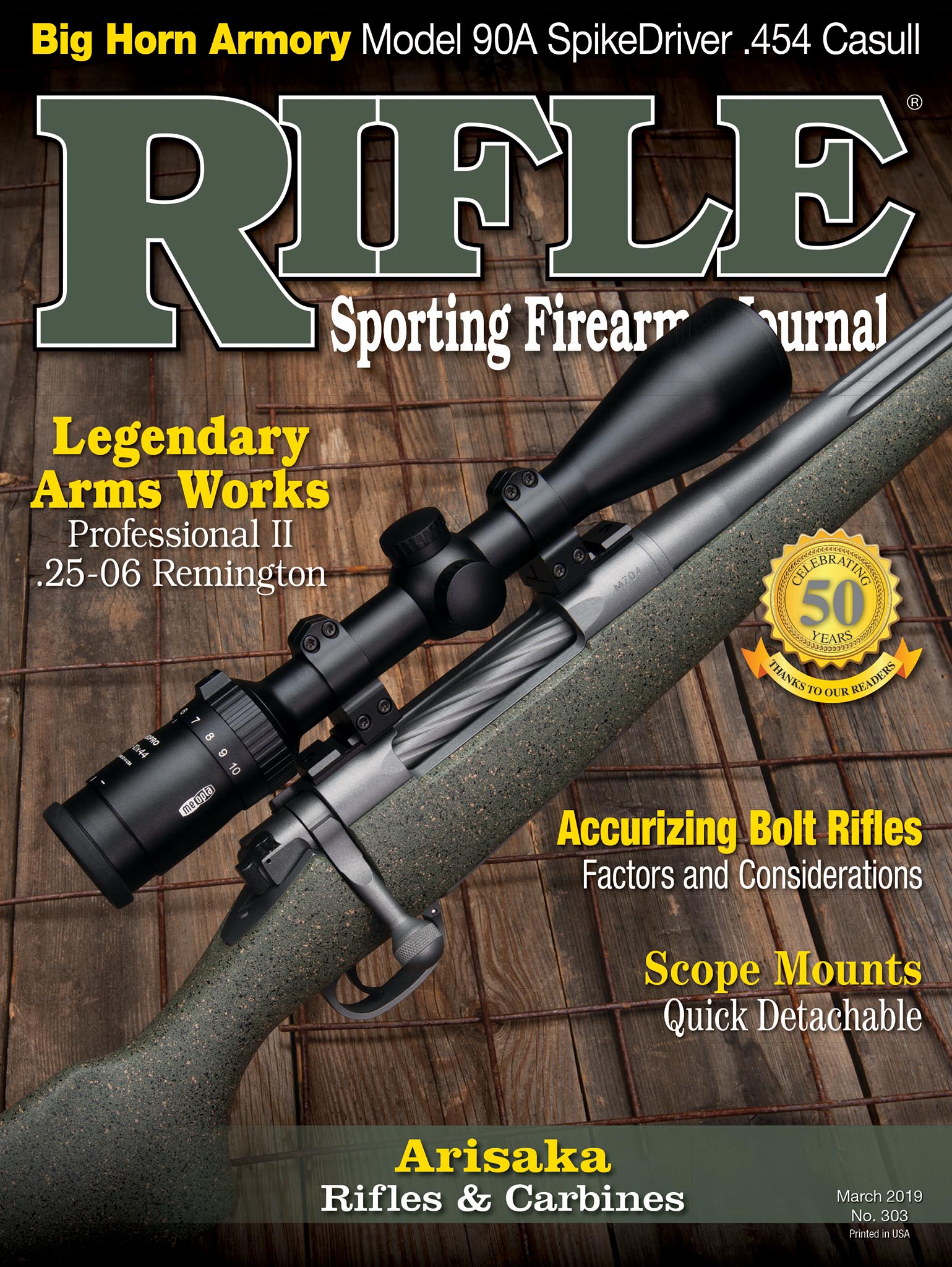
Rifle March/April 2019
This issue features Legendary Arms Works, SpikeDriver .454 Casull, Accurizing Bolt-Action Rifles, Arisaka Rifles and ...

Rifle January/February 2019
This issue features Original Ruger M77, Rifle Number 1 Jan-Feb 1969, Remington’s Big Seven, .338 Winchester Magnum, 5...

Rifle November/December 2018
This issue features Bergara Custom Rifles, The First .308 Winchester, Choosing the Ideal Scope, Steyr Zephyr II .22 L...
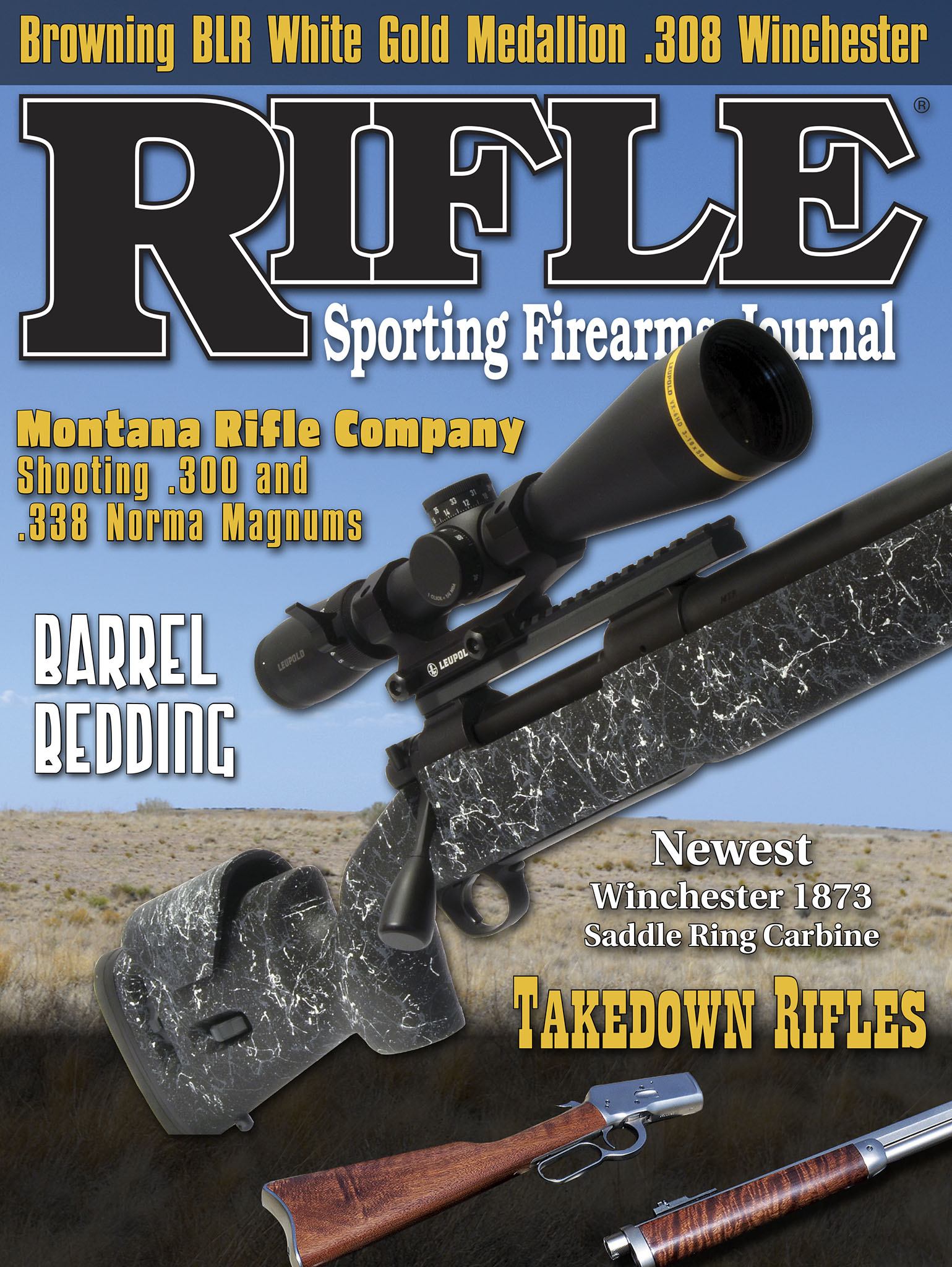
Rifle September/October 2018
This issue features Love at First Shot, Winchester Model 1873, Browning’s Lever Rifle, Nontoxic Hunting Bullets, Shaw...
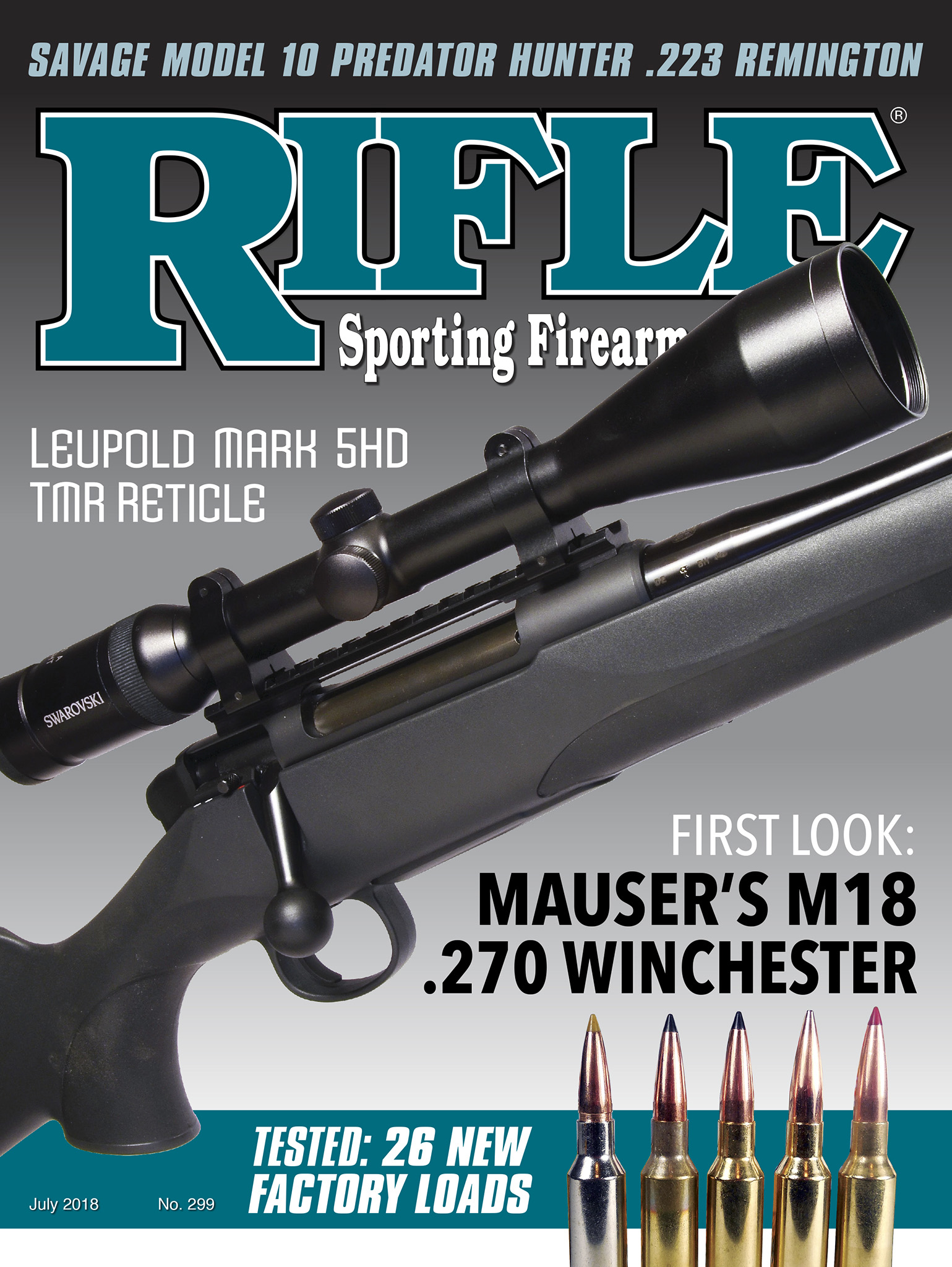
Rifle July/August 2018
This issue features Mauser M18, New Rifle Ammunition, Savage Predator Hunter, Muzzle Velocity Obsessions, Favorite Bo...
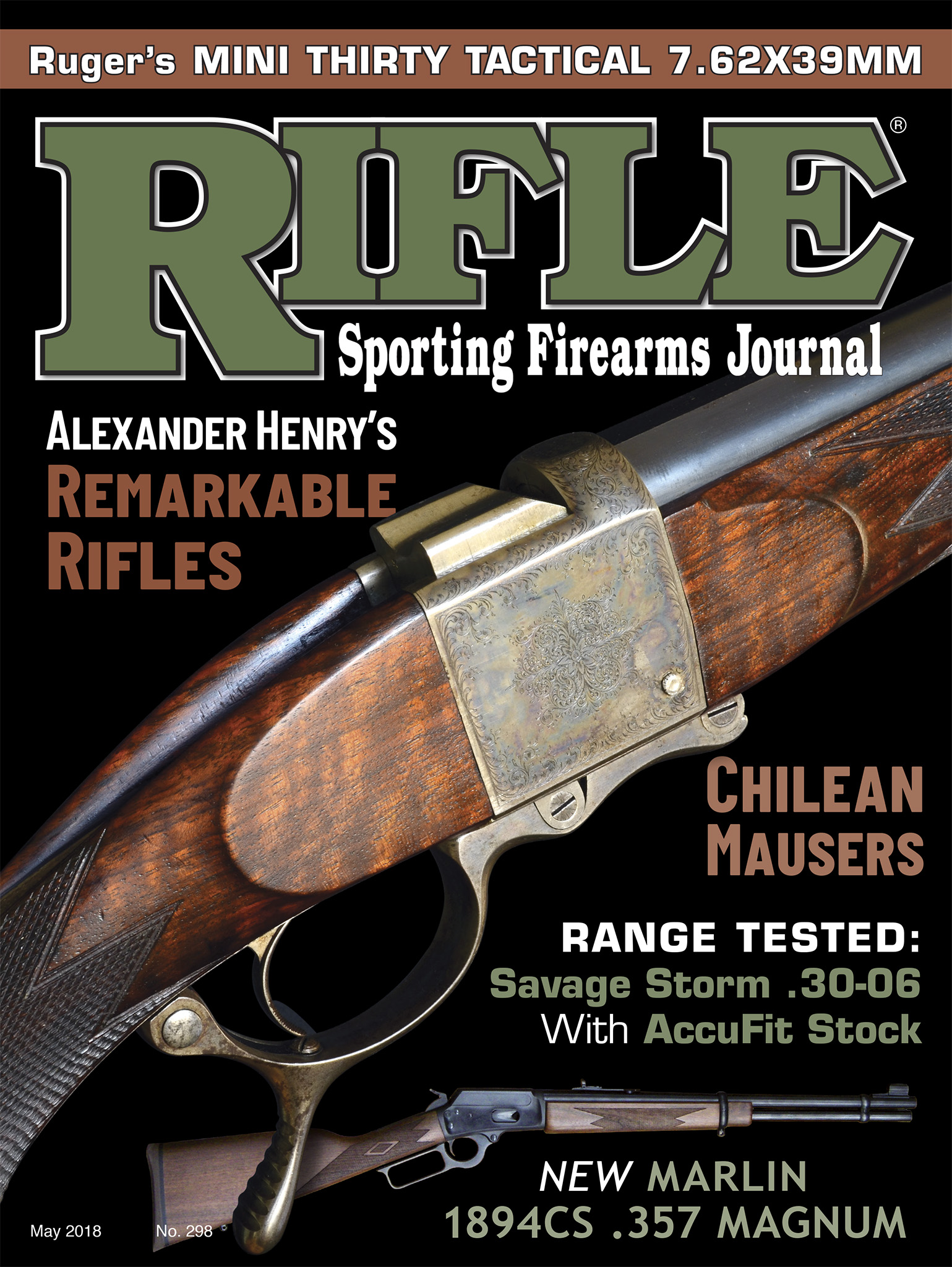
Rifle May/June 2018
This issue features Triumph and Tragedy, Marlin’s New 1894CS .357 Magnum, Savage Storm .30-06, Cleaning and Breaking-...
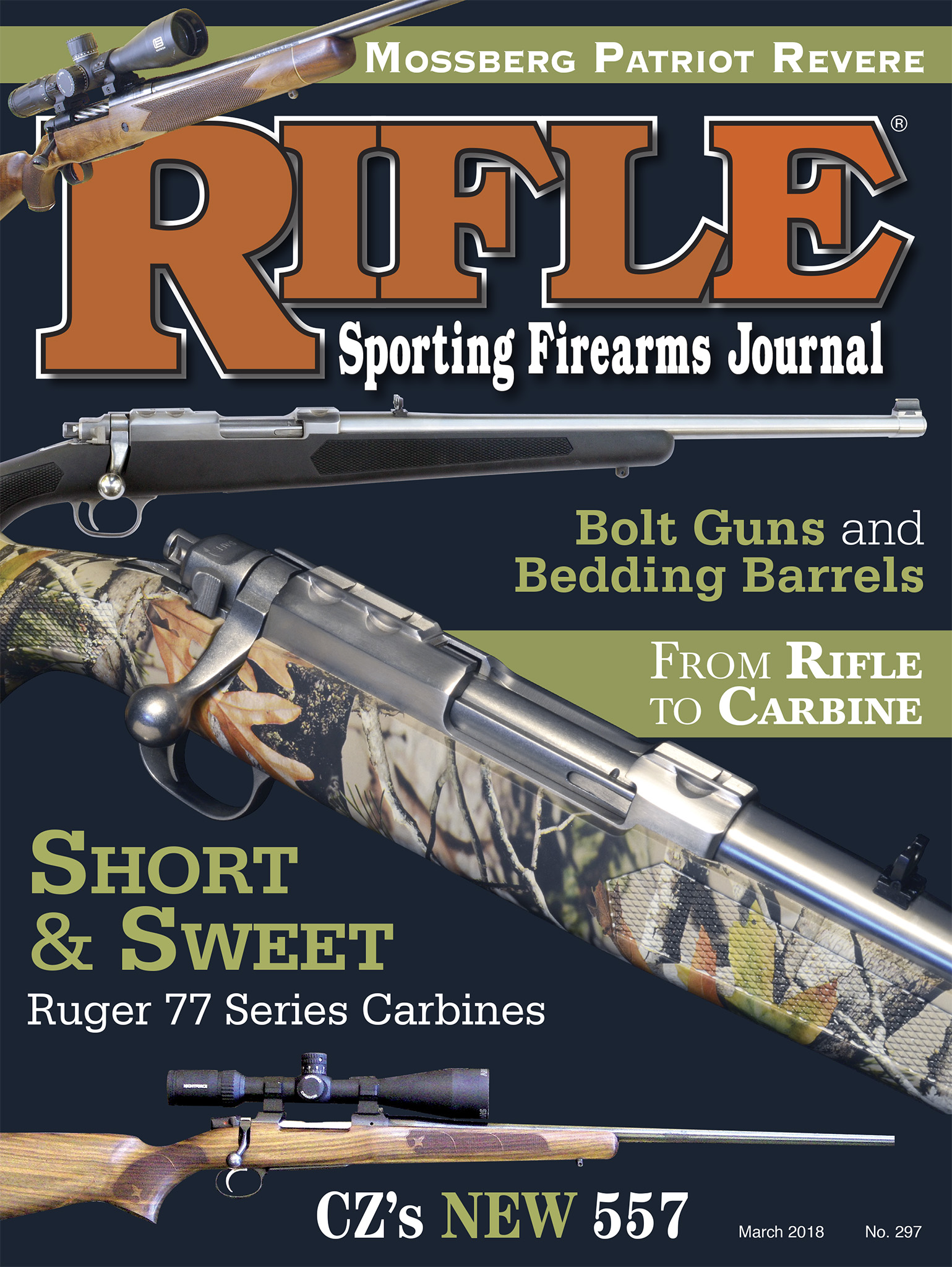
Rifle March-April 2018
This issue features Short and Sweet, Parts Rifles, From Rifle to Carbine, Mossberg Patriot Revere, CZ 557 .300 Winche...

Rifle January-February 2018
This issue features The New Mauser ‘98 Expert, Reducing Recoil, Boyds At-One Adjustable Stocks, Long Range Variables,...
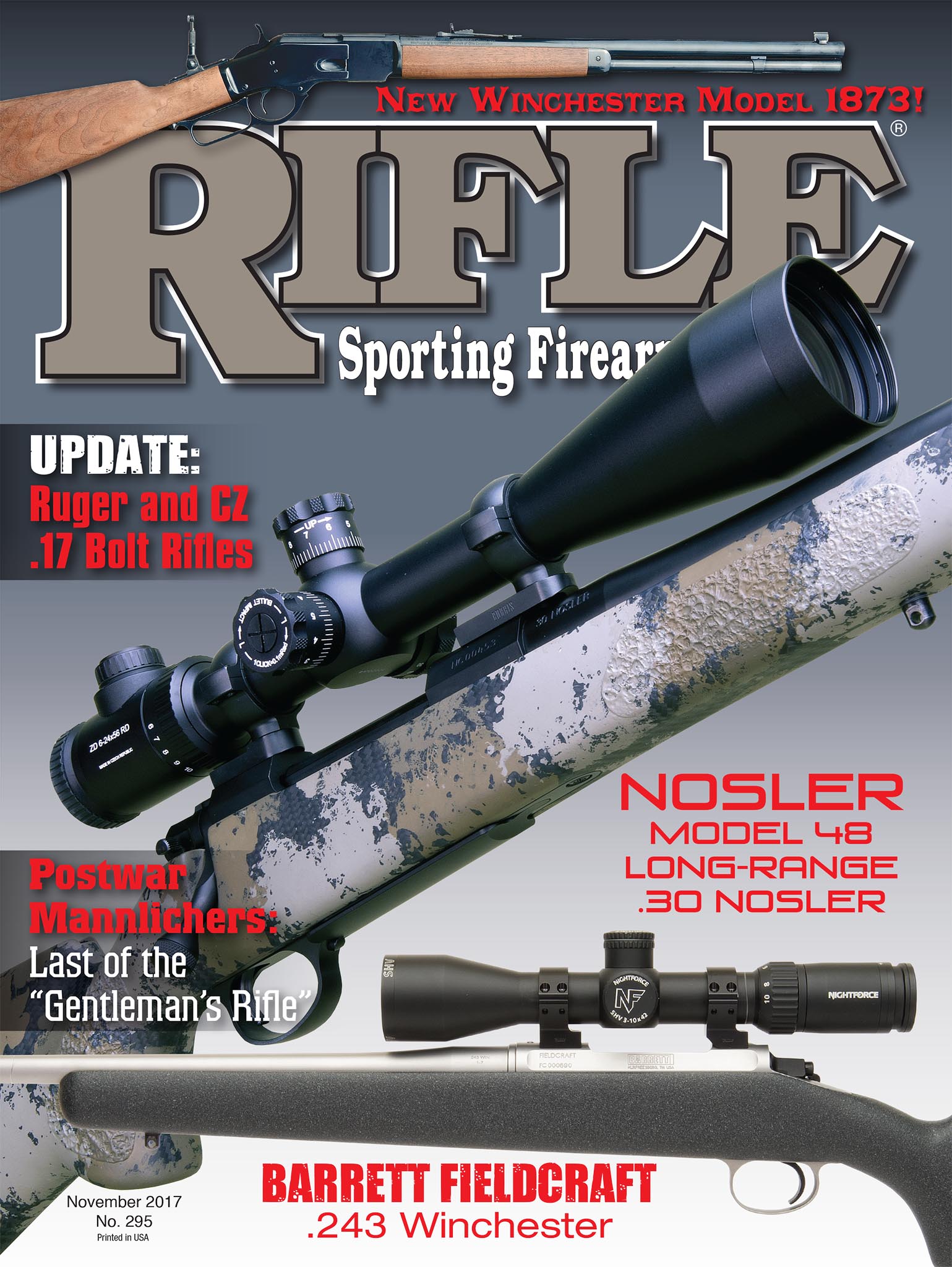
Rifle November/December 2017
This issue features Nosler Model 48 Long-Range, Barrett Fieldcraft .243 Winchester, The Browning High-Power Bolt Acti...

Rifle September/October 2017
This issue features Ruger Precision Rifle, New Rifle Ammunition, Remember the Basics, Lithgow Crossover Rimfire Rifle...
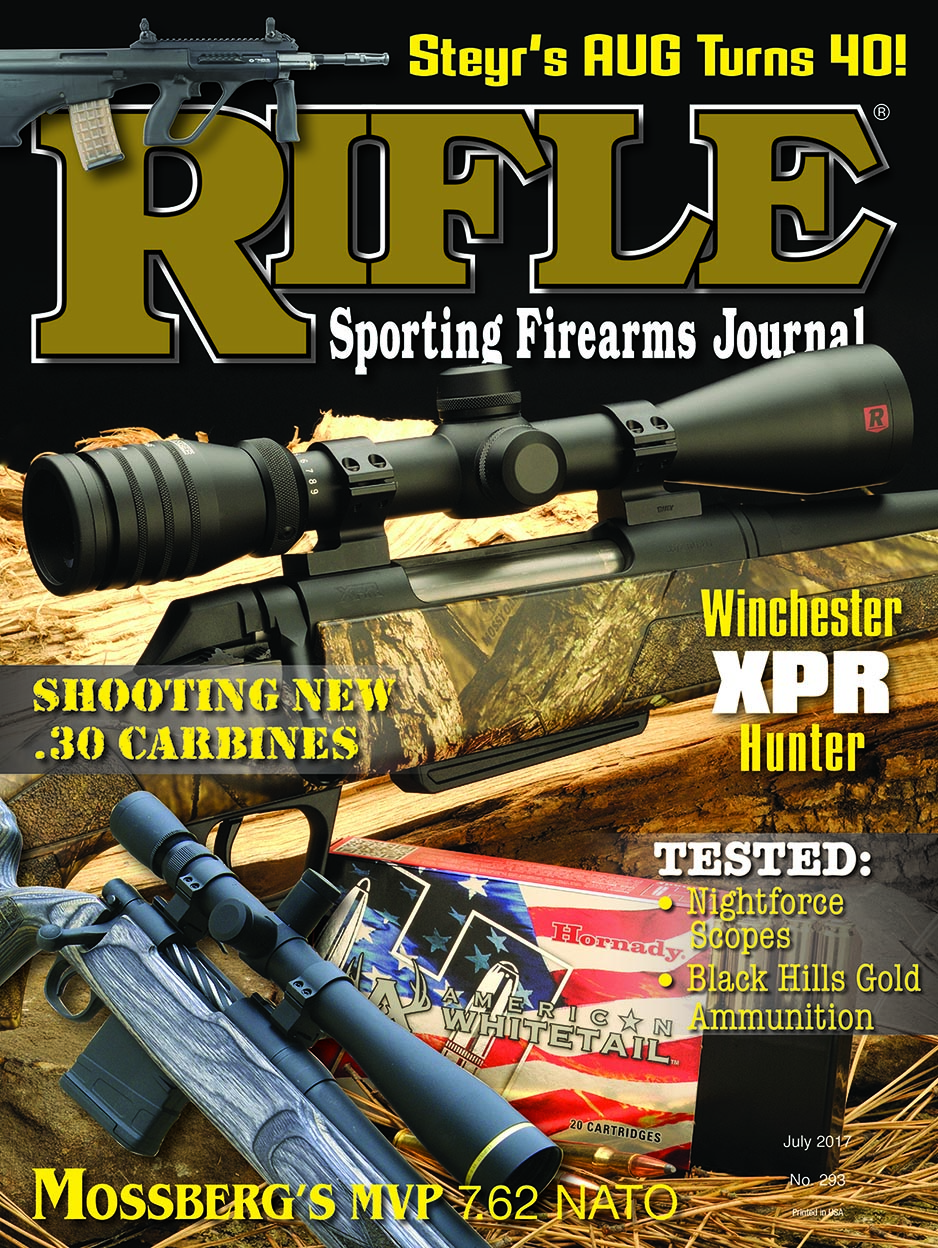
Rifle July/August 2017
This issue features Mossberg MVP 7.62 NATO, The AUG at 40, .30 Carbines, Thompson/Center Compass, 21st Century Rodent...

Rifle May/June 2017
This issue features Haenel-Mannlicher 9x57 Mauser, .25-35 WCF, World War II Semiautomatics, Stocky’s Long-Range Stock...
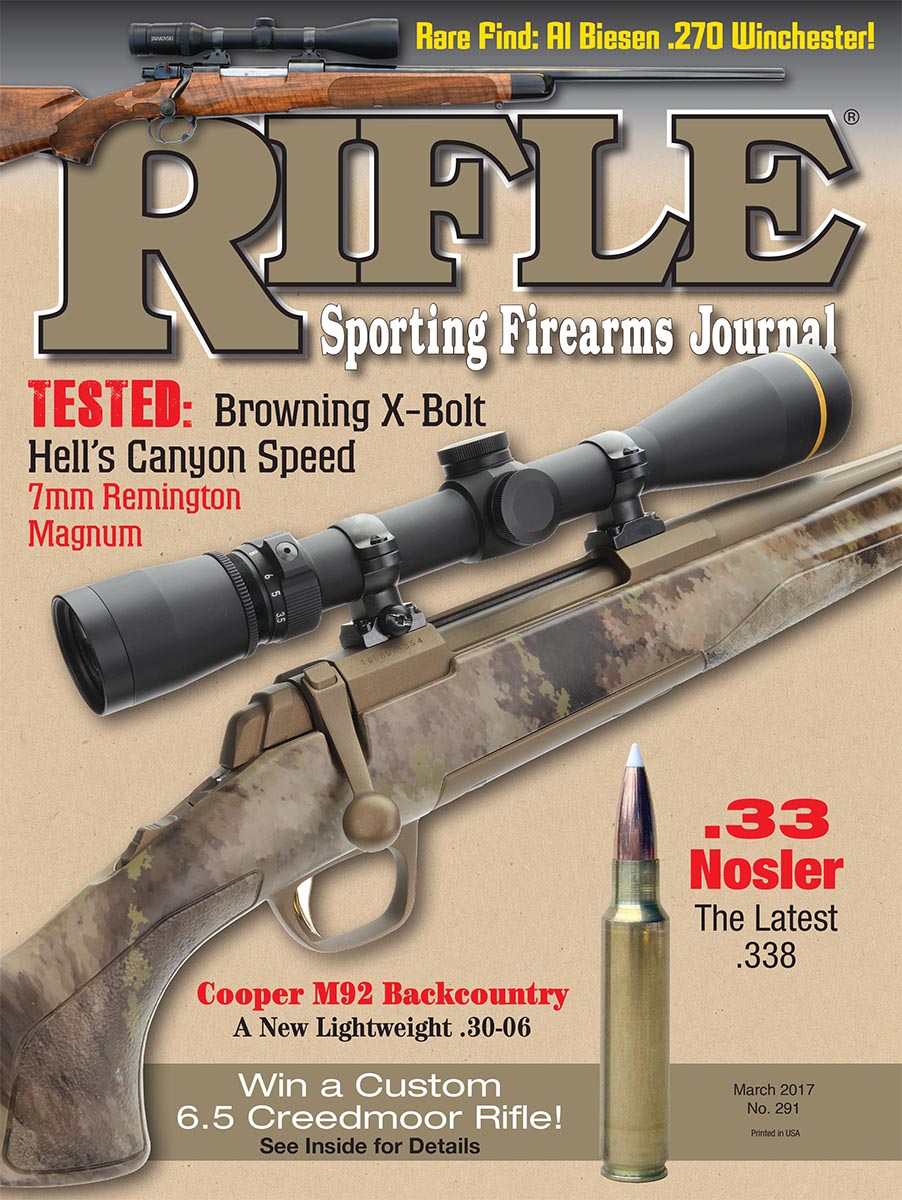
Rifle March/April 2017
This issue features Browning X-Bolt Hell’s Canyon Speed, Al Biesen .270 Winchester, Reboring Rifle Barrels, .33 Nosle...

Rifle January/February 2017
This issue features New Marlin Lever Actions, CZ 557 Spoerter Short Action, Model 70 at 80 – Part II, The .22 Winches...