

Before the 44 Magnum
Elmer Keith and the 44 Special
feature By: Brian Pearce | May, 26
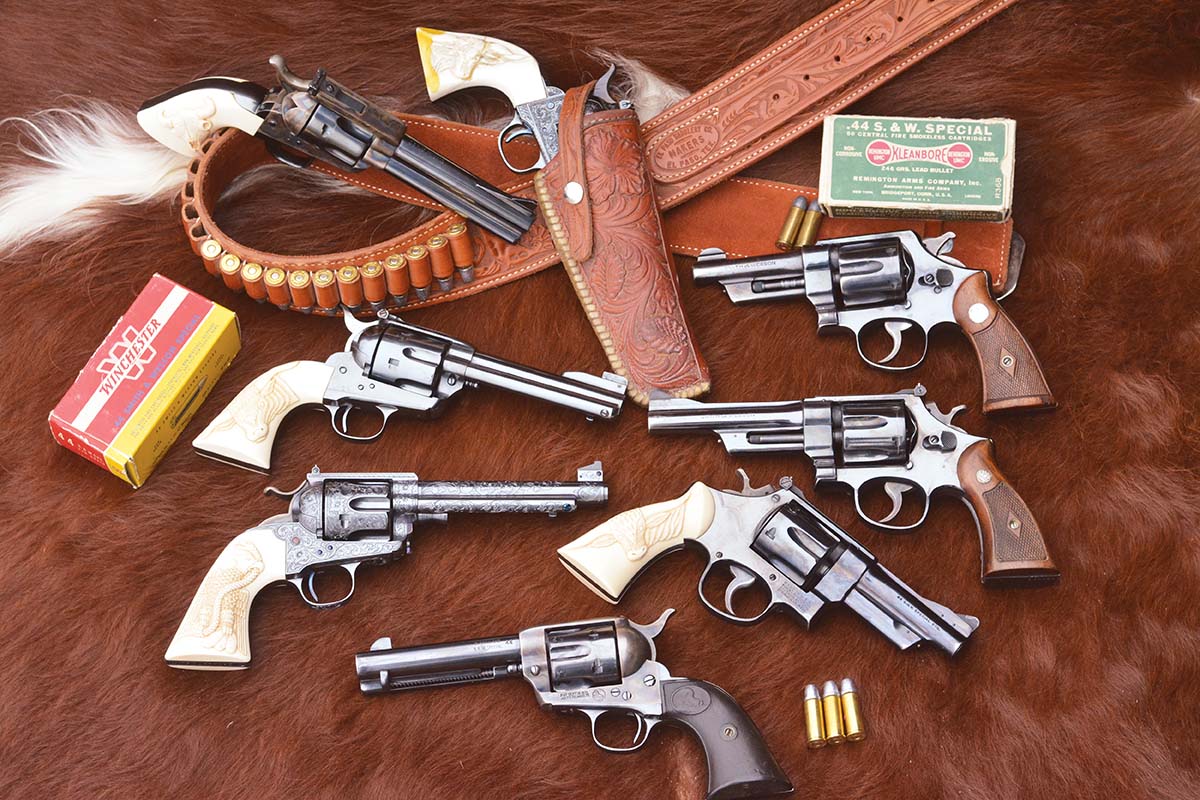
As I write these words on December 29, 2025, it has been 70 years to the day that the first Smith & Wesson 44 Magnum (pre-Model 29) sixgun shipped to the president of Remington Arms Company. While history was made that day, the cartridges, events and people that led up to the development of the 44 Magnum are remarkable, historical stories in their own right.
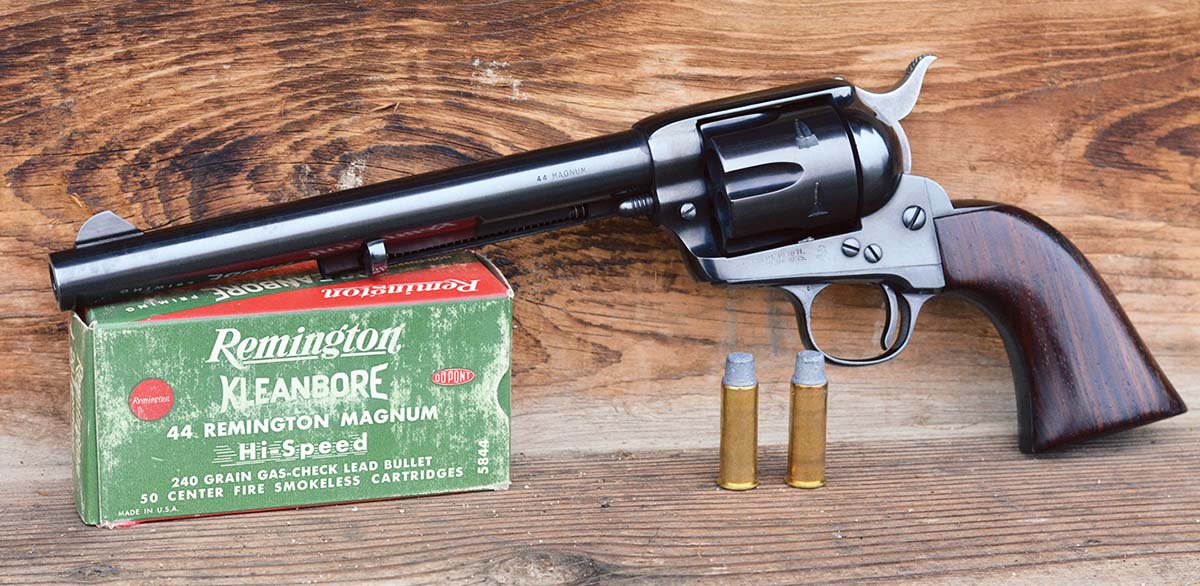
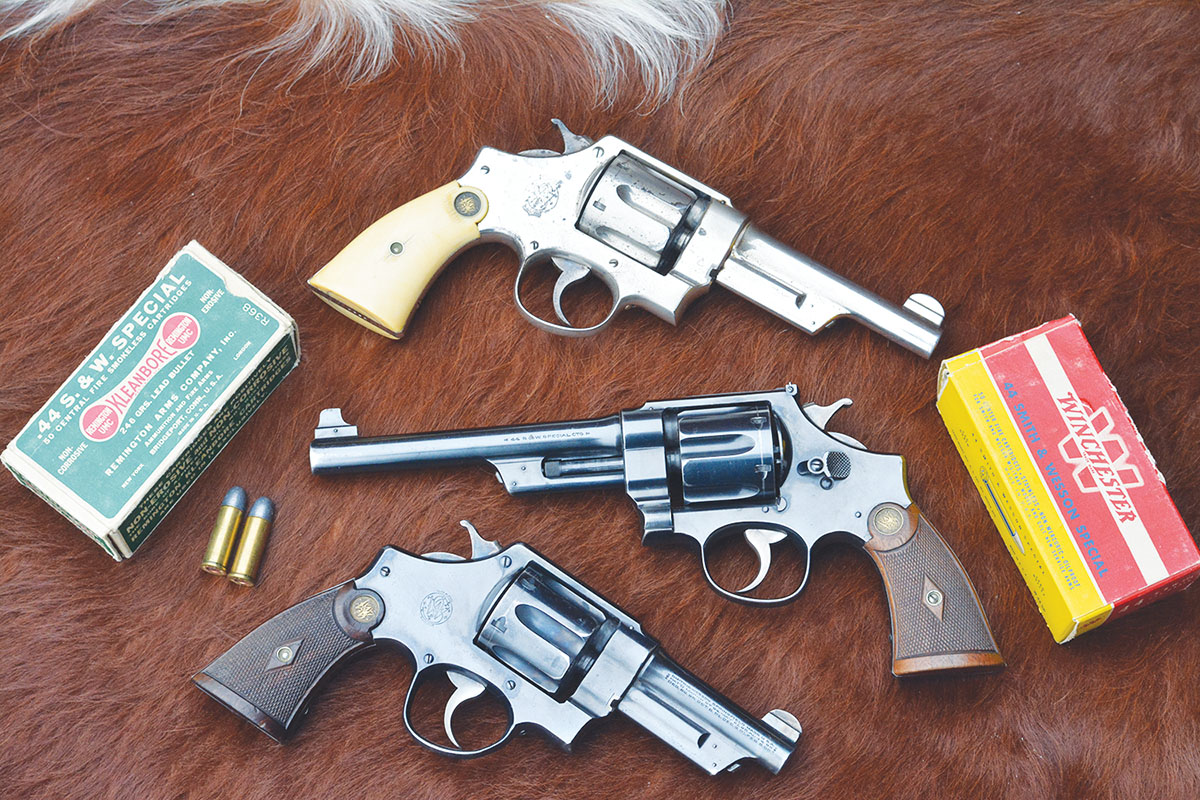
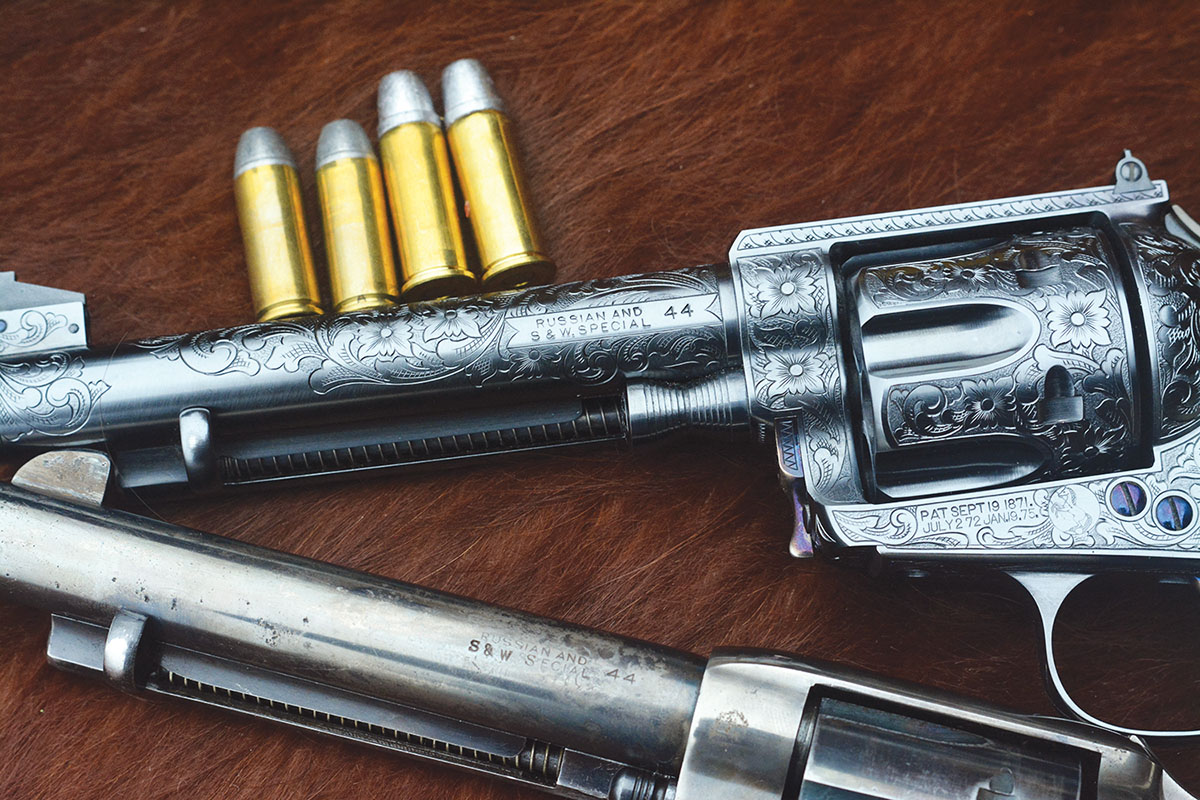
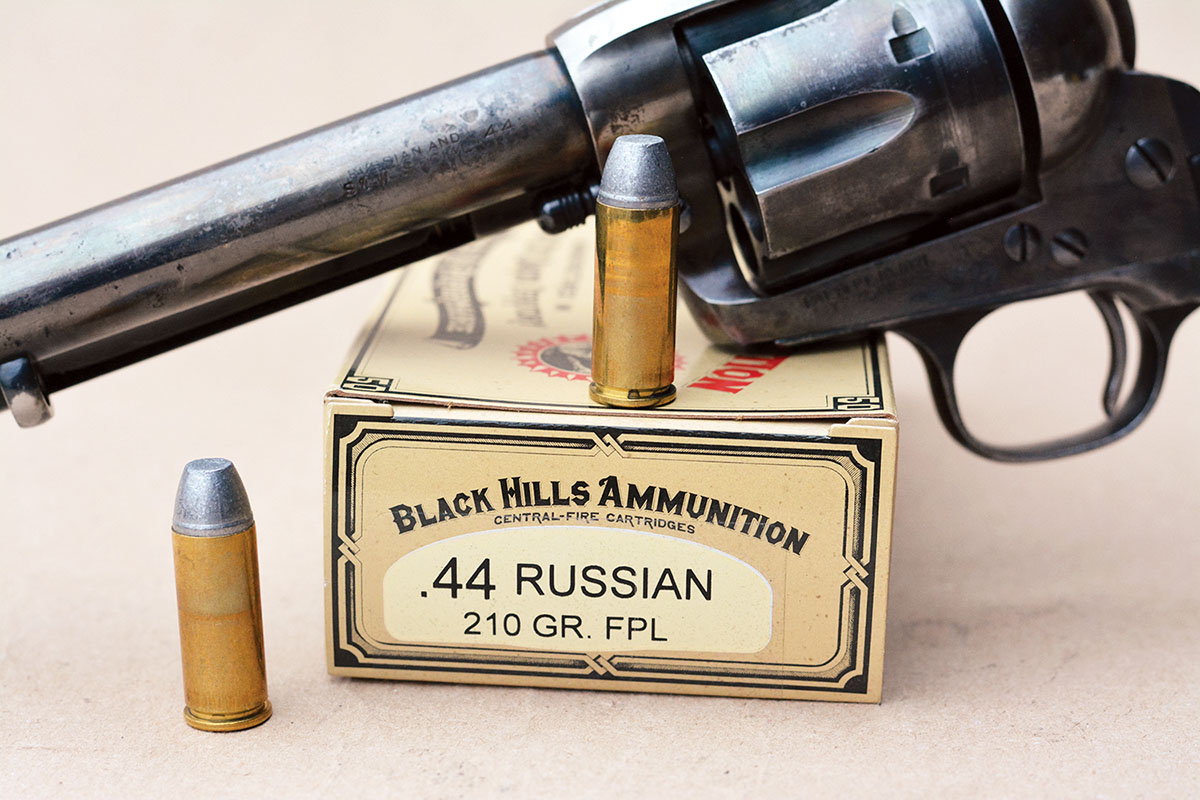
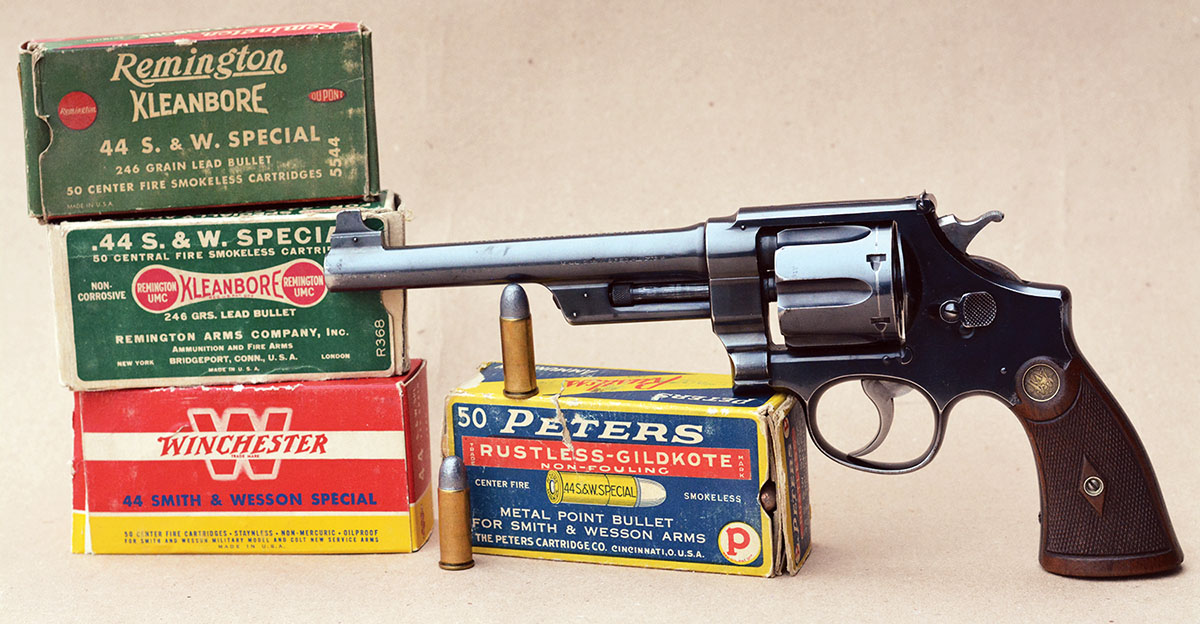
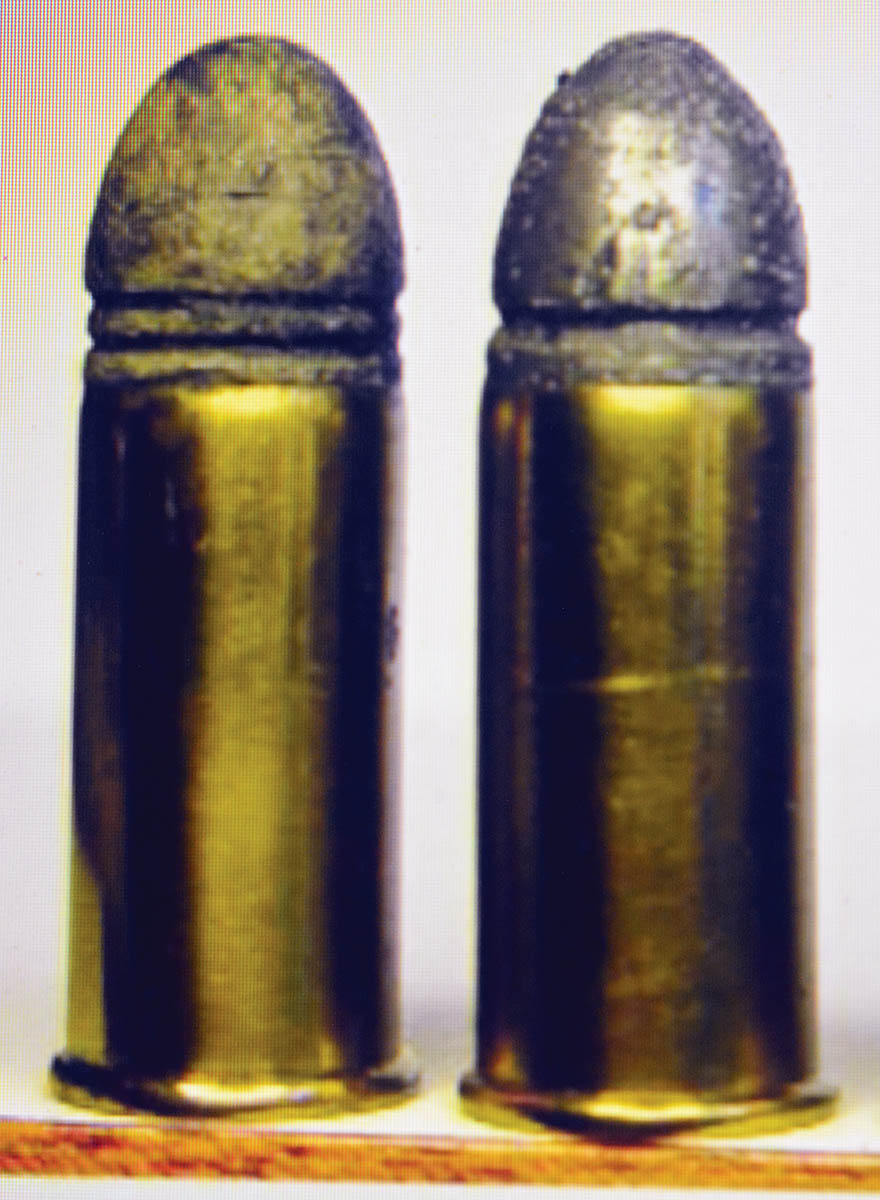
The 44 Special was introduced during 1907 and 1908 in the Smith & Wesson First Model Hand Ejector or Triple Lock, which was the first N-frame. The 44 Special was based on the 44 Russian case, but lengthened to 1.16 inches, allowing it to hold more powder. It utilized the same 246-grain lead roundnose bullet pushed with 26.0 grains of black powder for increased velocity. However, the Special was soon loaded with smokeless powder with a muzzle velocity of 770 fps and a maximum average pressure of 14,000 copper units of pressure (CUP) – updated today using piezoelectric to 15,500 pounds per square inch (psi).
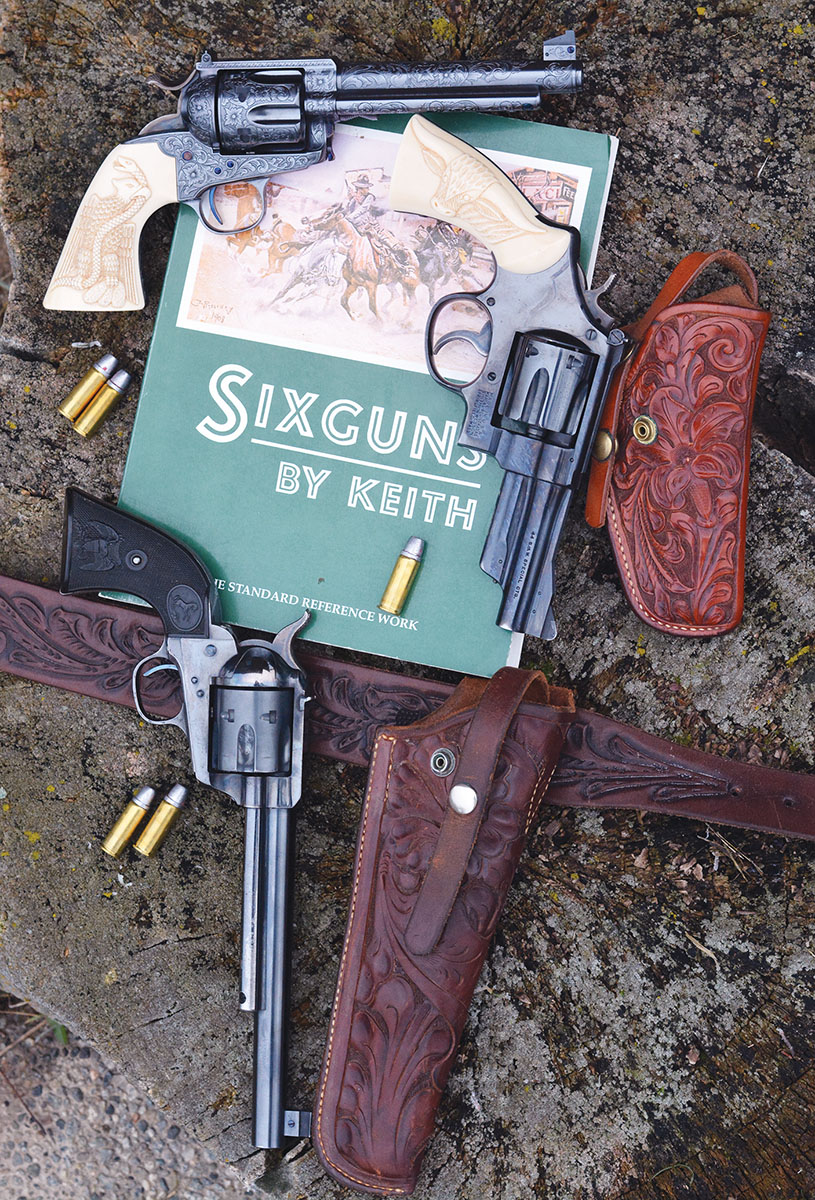
As early as 1924 Keith began writing letters and articles that were published in the American Rifleman magazine. While they were a bit rough around the edges so to speak, they were based on real world shooting, experience and provided practical information. Keith spoke with a degree of authority. By comparison many other period gun writers usually lived in cities and often lacked practical experience. Rather, Keith lived on the western frontier where guns were really needed and used daily.
To condense this story, as a direct result of Keith’s early articles, he became friends with many eastern firearms industry people that began steering him towards the 44 Special (after he blew up a 45 Colt) and encouraged him to further explore its potential as a big bore, high velocity sixgun cartridge (with Keith’s experiments beginning in 1927). One important friend was Harold Croft from Philadelphia, Pennsylvania that was well connected at Colt, with records indicating that he owned a chocolate candy store and was something of a sixgun experimenter.
That region grows dry ground mountain rye grass (hay to support cattle and horses) and there was a large rye field next to the house. Keith nailed together boards to form a 4x4 foot square target and using his Ford Model T drove it across the rolling field to a distance of 700 yards. He returned and settled under the shade of a large Poplar tree (for better sight picture), lay down, used his saddle for a head and shoulder rest and cradled the sixgun between his knees. Keith asked if that distance would work for a long-range shooting demonstration. Croft responded “Sure. You couldn’t hit that with a howitzer, let alone a six-shooter.” However, to Croft’s bewilderment, Keith proceeded to hit the target repeatedly with many sixguns including a Colt SAA 45 slip gun with 2-inch barrel, which is one of the hardest of all handguns to shoot accurately. With some of the target-sighted sixguns with longer barrels, Keith managed to hit the target 4 and 5 times out of six shots. To say that Croft was amazed would be a gross understatement.
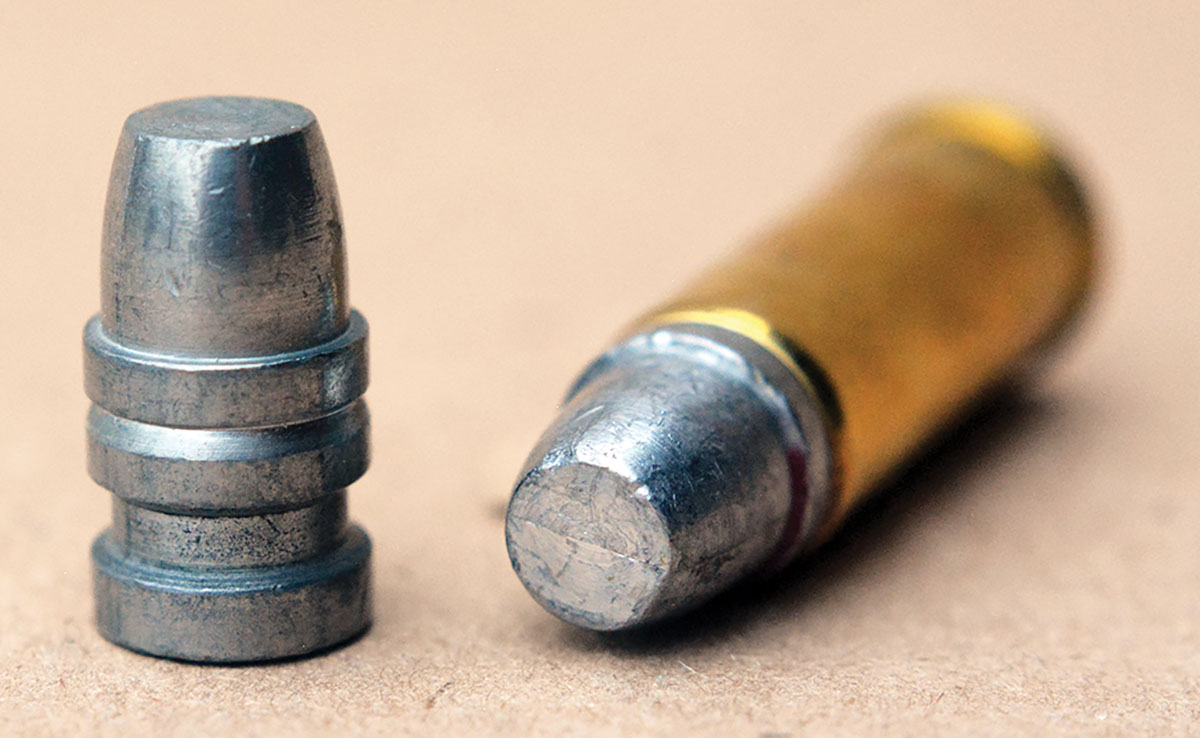
The Keith bullet featured three full-caliber driving bands. The front band was positioned in front of the case mouth and aligned the bullet with the throats and center of the bore for improved accuracy. Depending on the mould’s era, the front band width was measured at approximately 0.85 to 0.100 inch to minimize skidding when the rifling was engaged. The front band also served to cut full-caliber holes on paper targets and game. The crimp groove was deeply beveled to accommodate a heavy crimp and prevent bullets from walking or jumping crimp during recoil. The square bottom grease groove was generously large to hold plenty of lube to help prevent barrel leading. The bullet was a plain base design that kept cost down, eliminated the need for finding gas checks in remote areas (virtually not available in remote places) and minimized barrel wear. The flatnose or meplat was around .285 to .290 inch and stabilized perfectly at any range and at normal sixgun velocities, while delivering shock to game and offering straight-as-an-arrow penetration.
In 1930, Keith sold his partnership of the Durkee ranch to his brother Silas and moved to North Fork, Idaho, with his ranch being located around 28 miles north of Salmon, Idaho. This area borders the primitive, roadless section of the Salmon River, or more commonly known as the River of No Return Wilderness area, which is vast, steep and has many rugged mountains, and is the largest wilderness area in the lower 48 states. It is a game-rich region that black bear, grizzly, mule deer, elk, moose, big horn sheep, mountain goats and other game call home. Elmer’s nephew Frank Keith (of Baker City, Oregon, and owner of the Keith Durkee property) explained to me that the reason Elmer made the move to Idaho was for better hunting opportunities, as game was scarce in Durkee during the 1920s.
The Great Depression began in October 1929, and times were tough everywhere. Keith began guiding and outfitting hunters, became a river rat guide, wrote articles and custom-loaded ammunition just to scratch out a living. He even handloaded 44 Special ammunition for African-bound hunters that used it on a variety of game with good results.
Keith’s guiding and outfitting business increased his foundation and knowledge about cartridges, bullets and loads in the field. This gave him a degree of experience and authority that few, if any, period writers could match. He often used his 44 Special Colt SAAs to finish wounded game, put small game in the pot and occasionally harvest big game for his own use, which included deer, black bear, mountain lion and other game. His famous No. 5 Colt SAA 44 Special was used enough that he had it re-blued 3 times.
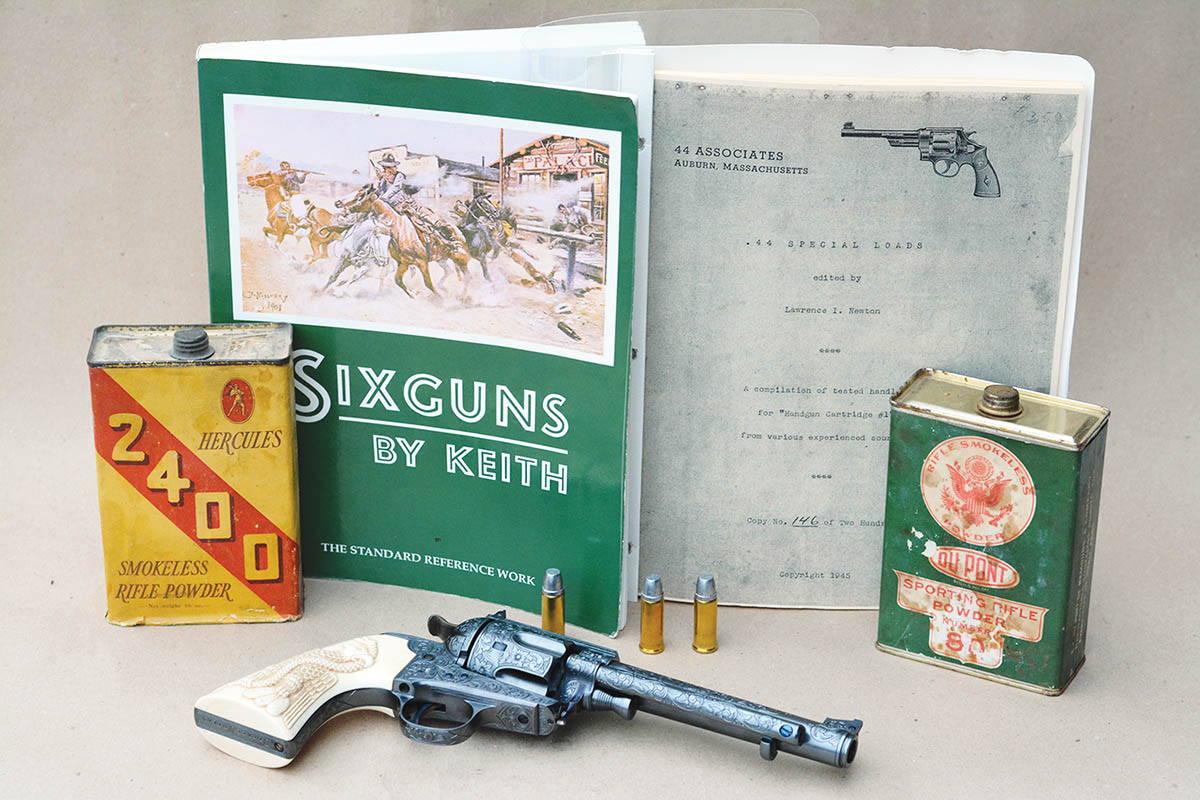
Keith’s standard 44 Special heavy load consisted of DuPont No. 80 powder that pushed his 250-grain bullet to 1,100 fps; however, when Hercules (now Alliant) 2400 became available in 1932, he changed powders, with 18.5 grains in pre-World War II balloon head cases reaching 1,200 fps. In the post-World War II years, with the development of solid head cases and their reduced capacity, the Keith load was reduced to
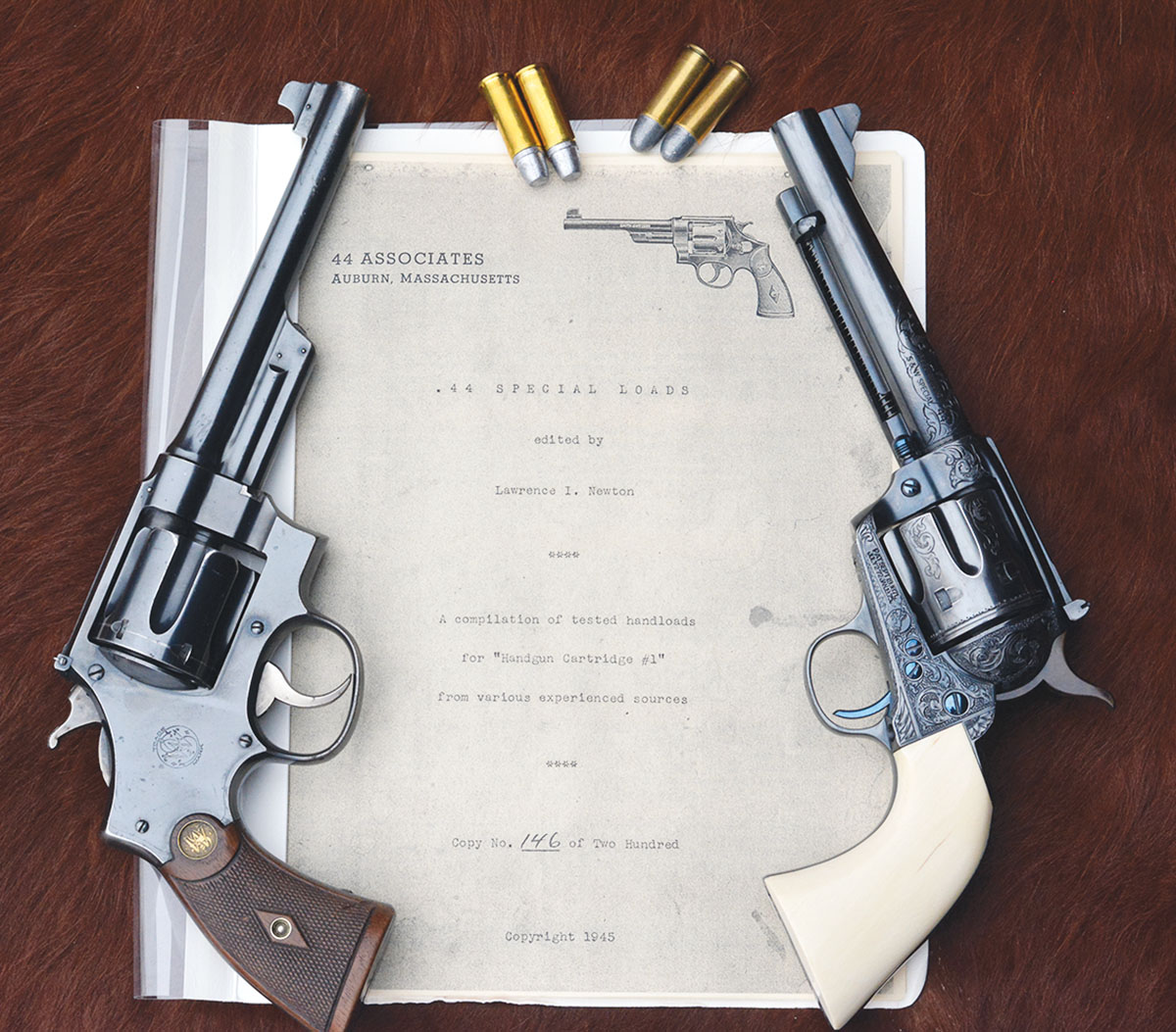
Naturally, Keith wrote about the virtues of his heavy 44 Special hand-loads for long-range accuracy and their effectiveness on big game and encouraged ammunition factories to consider offering his heavy loads. Many shooters and hunters put Keith’s loads to the test and found his claims to be true. Sometime during the early 1940s, a group of dedicated sixgunners began corresponding, which became known as “44 Associates.” They published a regular newsletter, shared handloading data, etc. This served to further stimulate interest in a modern, powerful 44 sixgun.
One noted member of the 44 Associates was John Lachuk. In an effort to try and maximize the 44 caliber, during the 1940s he converted at least 3 Colt SAAs to a wildcat cartridge that was based on the 30-40 Krag/405 Winchester case, but cut down to a length similar to the 44 Magnum. This served to increase case capacity and strength in the case head. His velocities were impressive using 240- and 250-grain bullets; however, he could not find a ballistics lab willing to pressure test it. Lachuk wrote articles about his 44 wildcats, but they were rejected by period publications. He provided the details of his experiments to Colt, but they were financially strapped following the war and had no interest.
During the early 1950s, a young experimenter named Dick Casull created a 44 Wildcat that was very similar to Lachuk’s version; however, he was unaware of Lachuk’s experiments. Casull likewise used 30-40 Krag/405 Winchester cases and cut them down to the same length as the 44 Magnum that had not yet been developed. Casull took it two steps further by double heat-treating the frame and cylinder of his custom Colt SAA (manufactured in 1904) to a Rockwell C-Scale of 45 that increased strength substantially and allowed him to reach some amazing performance. His handloads pushed 240-grain Keith bullets cast very hard (explaining the lighter weight) to 1,600 fps. Casull’s custom Colt was the first sixgun to be line-bored, but that’s a subject for another day!
Following the passing of his daughter Druzilla, Elmer sold his horses and mules and moved into Salmon (population at that time was 2,500) during the winter of 1948, although he retained his North Fork place that was higher elevation and had significantly more snow and harsher winters than Salmon. At this point, he decided he was done guiding and just wanted to write on a full-time basis and hunt for his own purposes.
In spite of Keith (and others) urging ammunition companies to offer heavy 44 Special loads for approaching 30 years, they refused based on the Smith & Wesson First Model Hand Ejector or Triple Lock not having heat-treated cylinders. This was odd, as in addition to many handloaders using loads that generated at least 25,000 psi or more without issues, Winchester ran some very high-pressure proof loads through at least one Triple Lock with no ill effects. Regardless, the 2nd, 3rd, and 4th Models (aka 1950 Target) all had heat-treated cylinders and easily handled the Keith load, as did the Colt SAA. It is important to note that Keith would have been completely happy with a factory load offering the same performance as his heavy 44 Special handload in his new “townsman” 1950 Target sixgun.
In 1953, Keith spent a week at the Remington Plant trying to convince ballisticians to offer his heavy 44 Special load, but they had concerns about the lack of strength in the Smith & Wesson Triple Lock. Keith suggested they lengthen the Special case by 1⁄10 inch and create a 44 Magnum. He then spent a week at the Smith & Wesson factory with the president, Carl Hellstrom, and discussed the same idea. He didn’t expect that it would actually happen and heard nothing more on the matter until January 1956, when he received a phone call that a complimentary 44 Magnum was on its way. Keith was elated and it had more power than he had originally wanted, with the ballistics of early loads actually pushing a 240-grain Lead SWC gas check bullet at around 1,450 fps.
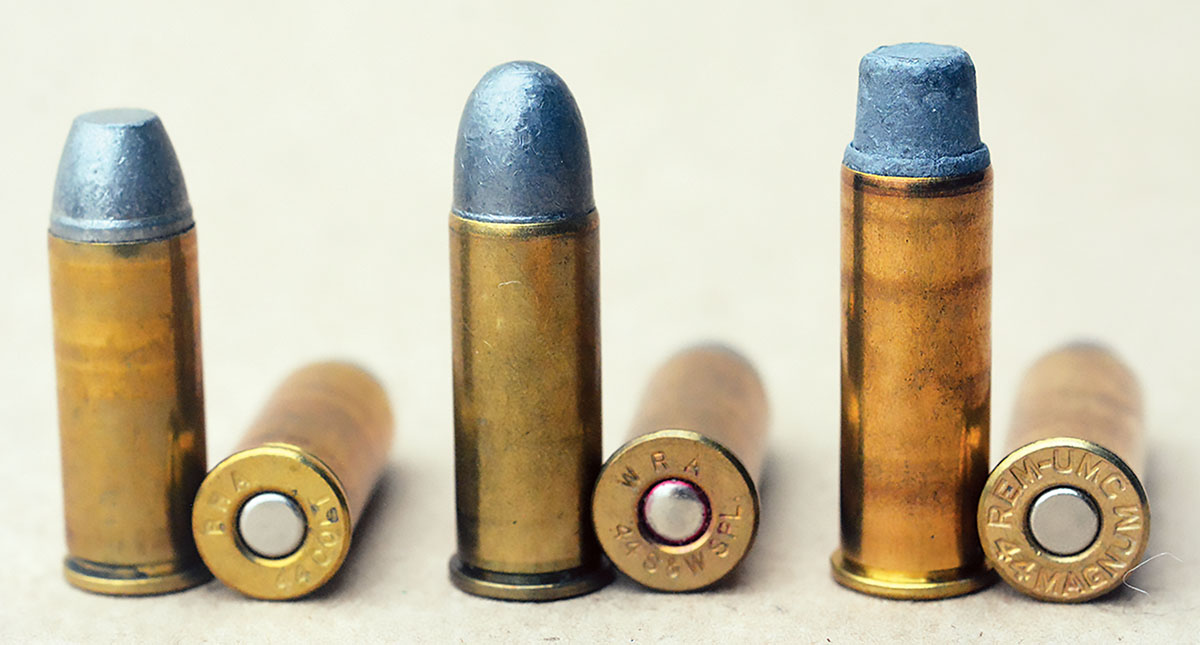
My experience with both the 44 Special and the 44 Magnum is extensive, and they both rank high as favorites. But they are different. Most notable is that 44 Special guns are generally lighter, smaller and more compact, which, for daily use, is very important. It still has plenty of power to take deer, elk, black bear and mountain lion with ease (which I have done many times). Regardless of whether it is used in double or single-action sixguns, the shorter cases eject and clear chambers more easily than the magnum case does. If there is a disadvantage, ammunition factories still load the Special rather weakly with a 246-grain roundnose (RN) bullet at around 700 fps, so it is pretty much a handloading proposition to obtain magnum-like performance for field use, which does not bother me a whit. Even when the 44 Special is loaded to around 1,200 fps, the 44 Magnum has around a 200 fps velocity advantage with identical bullets, resulting in a flatter trajectory. Its greater capacity allows it to better handle 300-grain and heavier bullet weights. However, this performance comes at the cost of heavier guns, greater muzzle report, and heavier recoil.
The 44 Special offers outstanding accuracy and versatility (if handloaded) and is capable of defensive applications to hunting big game. It played an important role in history and modern sixgunning and truly offers a wonderful blend of power and portability.