Login


Wolfe Publishing Group
    Menu

    Seekins Preicision

    HAVAK PH3 in 7mm PRC

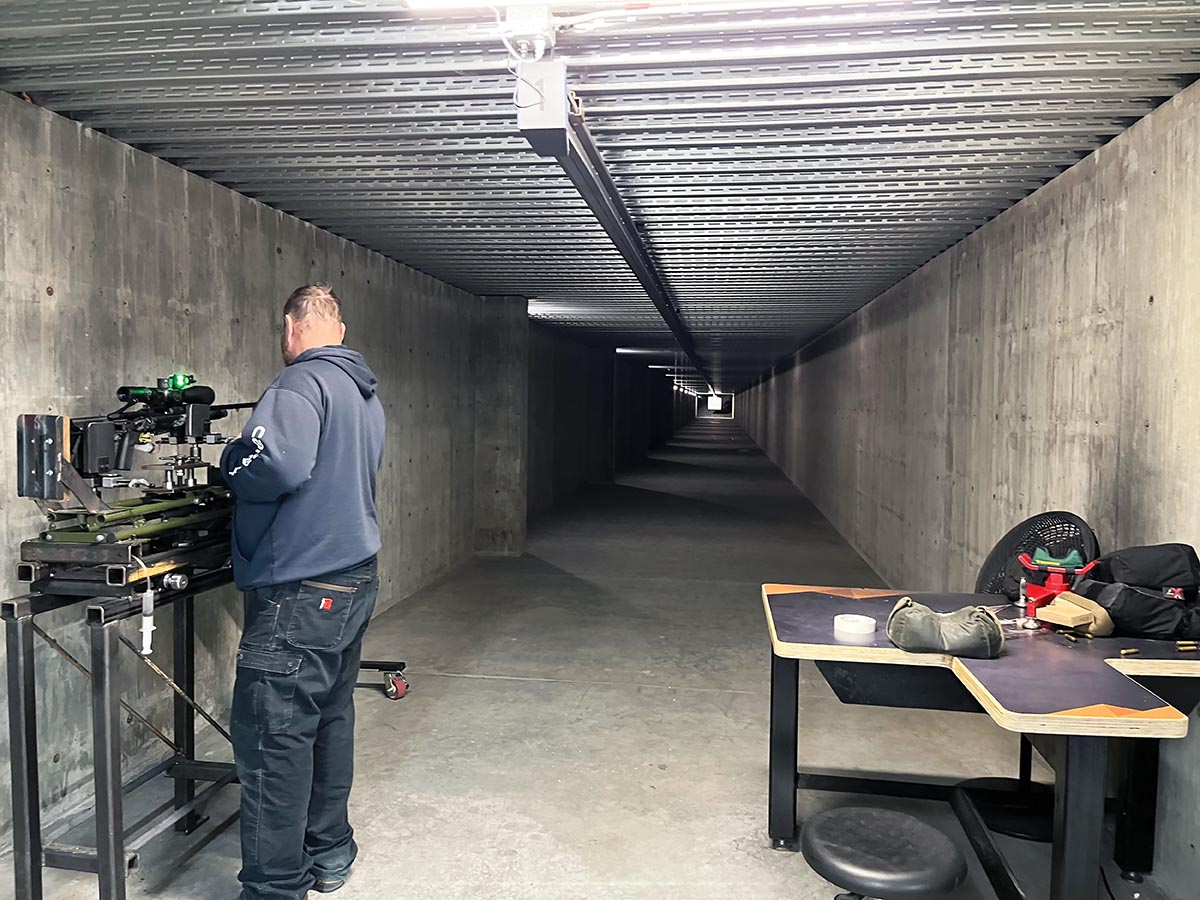
    Seekins Precision has its own 100-yard underground shooting range, and each rifle is accuracy tested before leaving the factory.
    Seekins Precision has its own 100-yard underground shooting range, and each rifle is accuracy tested before leaving the factory.

    I live in an area rich in firearms tradition. Jack O’Connor, Outdoor Life’s Hunting Editor for years, once lived down the road in Lewiston, Idaho. Lewiston is also home to CCI and Speer, as well as Freedom Munitions, Hells Canyon Armory, Rocky Mountain Reloading and Chipmunk Rifles/Rogue Rifle Co. Three top-tier optics brands are assembled in my hometown of Orofino. In the world of custom-grade firearms, Lewiston’s Seekins Precision firearms and scope-mounting systems stand with the very best. 
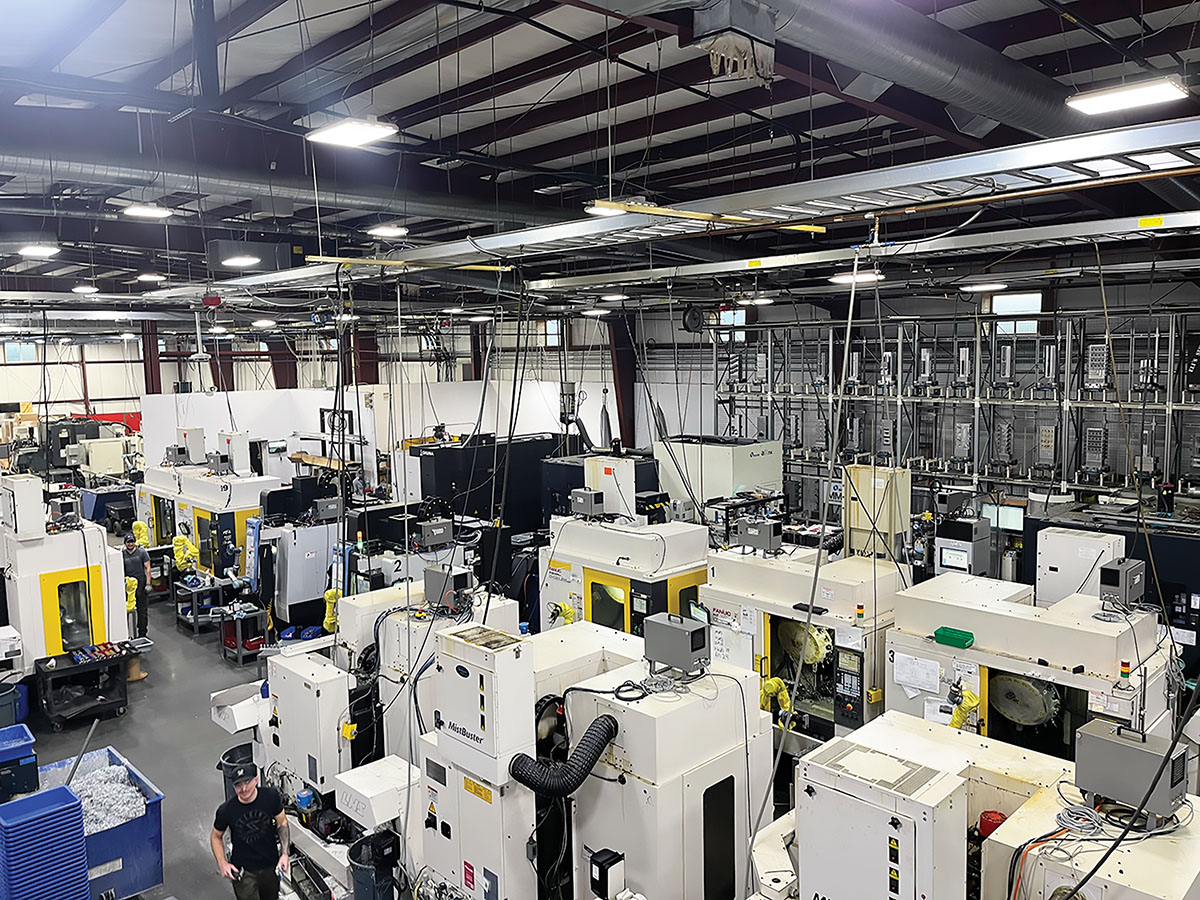
    Seekins Precision’s production floor holds an impressive array  of modern CNC machines that churn out milled-aluminum parts for the company’s ARs and high-quality bolt-action rifles.
    Seekins Precision’s production floor holds an impressive array of modern CNC machines that churn out milled-aluminum parts for the company’s ARs and high-quality bolt-action rifles.
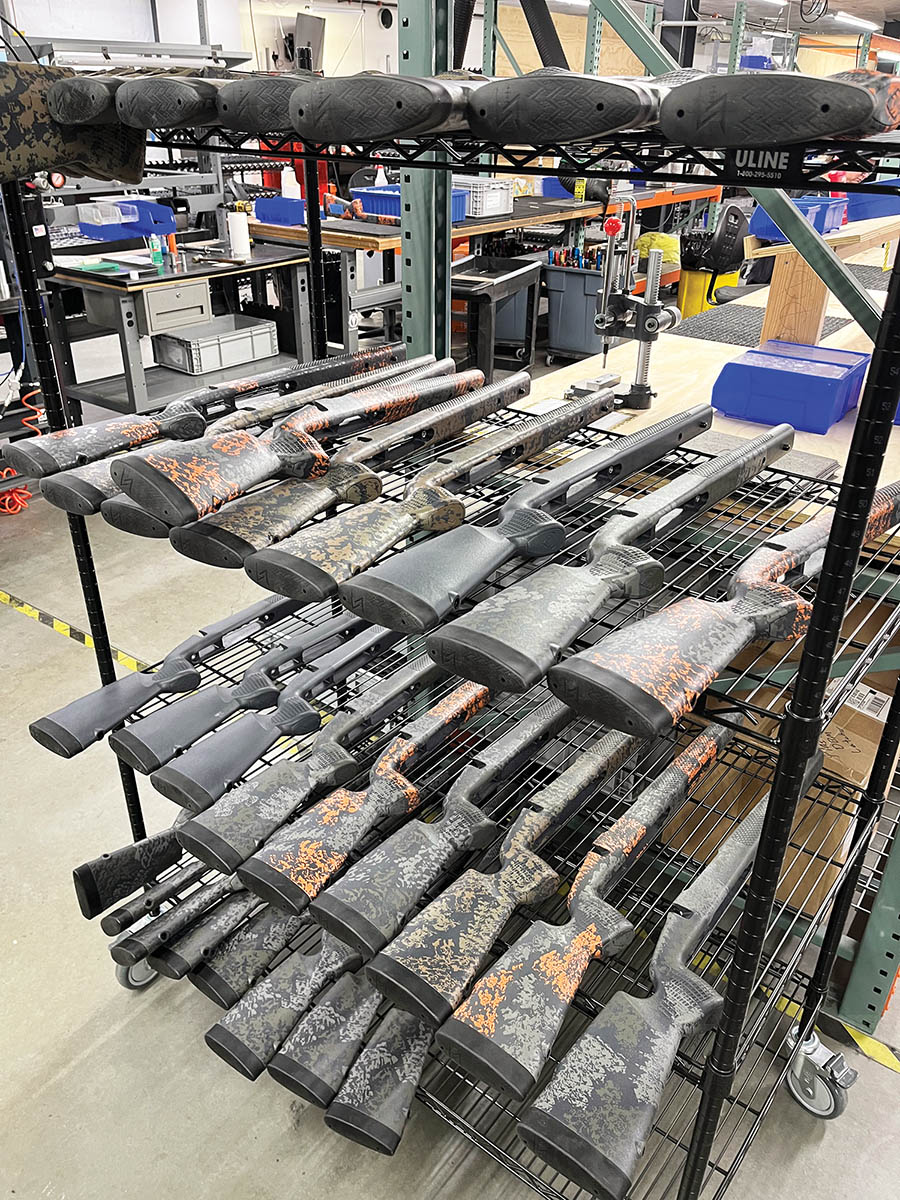
    The company uses carbon fiber stocks with an embedded, aluminum, mini chassis for 2026 PH3 rifles. Finishes are applied by hand.
    The company uses carbon fiber stocks with an embedded, aluminum, mini chassis for 2026 PH3 rifles. Finishes are applied by hand.
    At the center of it all is Glen Seekins, who came from a mechanical design background. The spark was a 2004 Idaho deer hunt that ended badly when poorly engineered scope rings let him down. Glen returned home, fired up a CAD program, and began designing what would become SP Scope Rings, the company’s flagship product. Within a year, Glen had left his regular job to meet the demand for these quality rings, in time moving on to producing Seekins Precision’s first billet AR lower, and eventually a full line of AR products. By that time, he’d moved from his garage to a 1,500 square foot building. Seekins moved to its current location in 2014, initially including a 25,000 square foot building, but with room to grow. 

    Today, Seekins has expanded to nearly 100,000 square feet of manufacturing space and offers more than 10 major product lines, including bolt-action rifles. 

    I’ve visited this facility, and it is truly a marvel of modern manufacturing, with an army of automated CNC machines and a hive of employees turning out parts, assembling, and testing a dizzying array of products. 

    While basic parts are created by space-age milling robots, final assembly, fitting, finishing and testing is conducted by a team of craftsmen, most of whom are passionate hunters and shooters. I watched raw carbon-fiber stocks get finished by hand, actions carefully bedded by skilled individuals, carbon-fiber magazines laid up and fine-tuned, and rifle function and accuracy testing conducted in Seekins’ own underground rifle range. This process allows Seekins to extend a 1⁄2-MOA accuracy guarantee using premium ammunition. While I usually view such promises with all due suspicion, it does reveal the high standards Seekins strives for. 
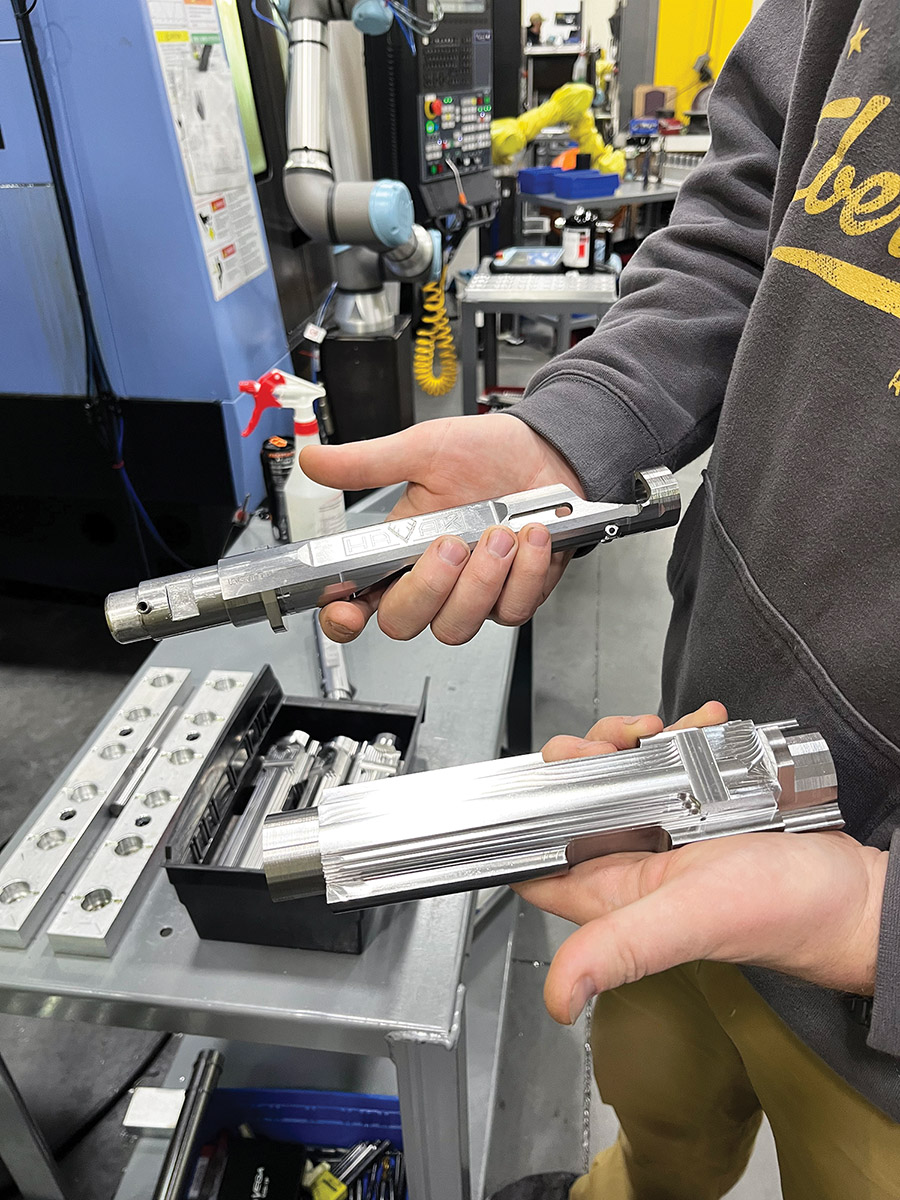
    Shown here are a billet steel block and a roughed-out Havak action body fresh from one of Seekins’ high-tech precision-milled machines.
    Shown here are a billet steel block and a roughed-out Havak action body fresh from one of Seekins’ high-tech precision-milled machines.
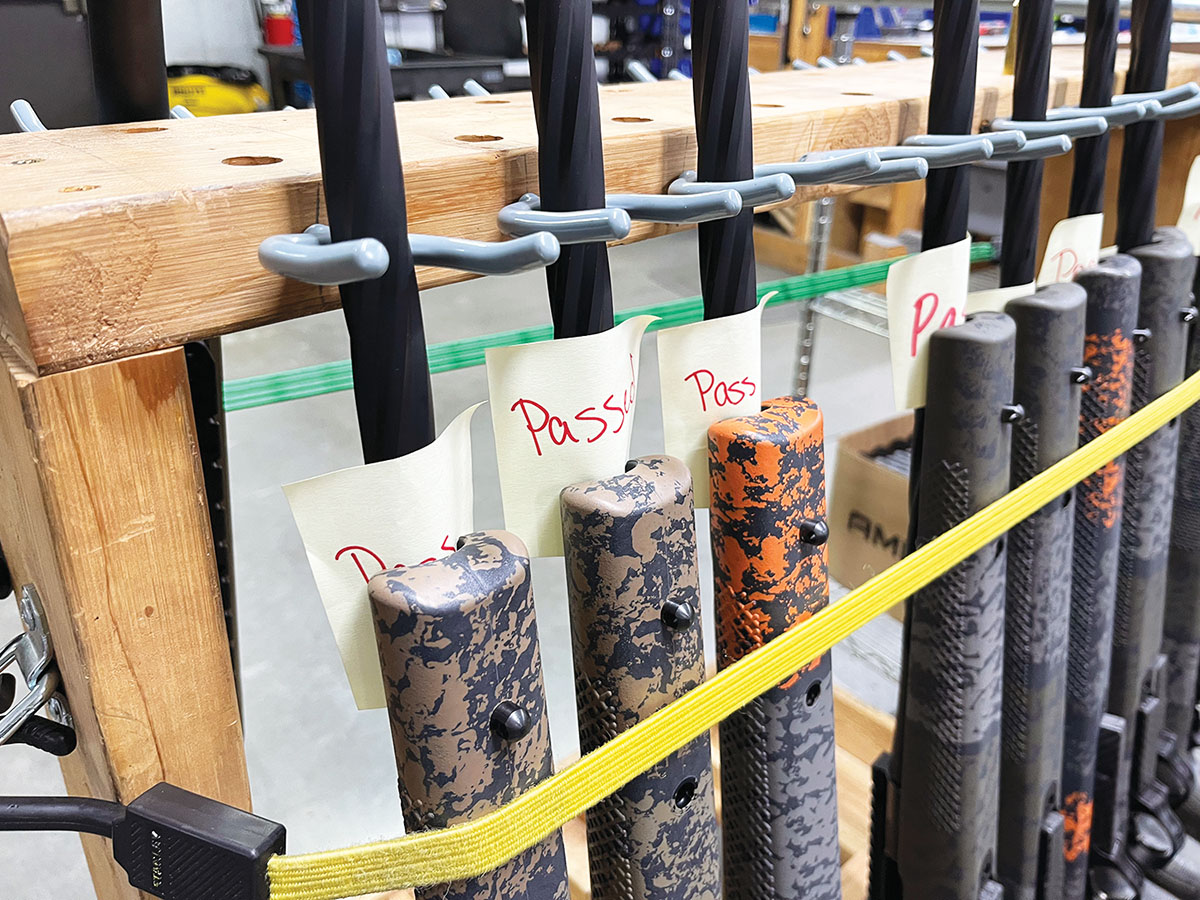
    Each rifle must pass a rigorous quality control process before it is shipped to dealers or customers.
    Each rifle must pass a rigorous quality control process before it is shipped to dealers or customers.
    One of Seekins Precision’s newest rifle designs is the Havak PH3. This is a bolt-action rifle noted for unique features such as a quick-change barrel system, 60-degree bolt throw and mini-chassis system embedded within its carbon-fiber stock. The PH3 deviates from the usual Remington 700 footprint, sporting a flat-bottomed action and three-lug bolt for enhanced strength and smooth operation. The refinements found in the PH3 were based on customer feedback from the company’s previous PH2 model, including an adjustable cheekpiece offering more compatibility with modern riflescopes, shorter barrels to better facilitate suppressor use and an integrated M-LOK rail in the forearm. The PH3 still has a distinctive Seekins look, but essentially every component has been upgraded to some degree. 

    This complete redesign includes a fresh bolt design. 

    In my limited view, moving away from the previous four-micro-lug design to a more contemporary three-lug configuration was a good move. This also allows a faster-cycling 60-degree throw. The action was redesigned to match the proprietary footprint found in Seekins’ Hit, Element and Slam actions. This allows interchangeability among Seekins’ three existing stock and chassis options, but closes the door to common aftermarket Remington Model 700 accessories that owners of PH1 and PH2 models previously enjoyed. My feelings are up in the air on that aspect. On one hand, Seekins makes great stocks and on the other there are some very interesting M700-compatible stocks on the market today. For all its features (some of which we are yet to get to), and given that 1⁄2-MOA guarantee, the Havak PH3’s $1,895 asking price is what I would deem a bargain. 
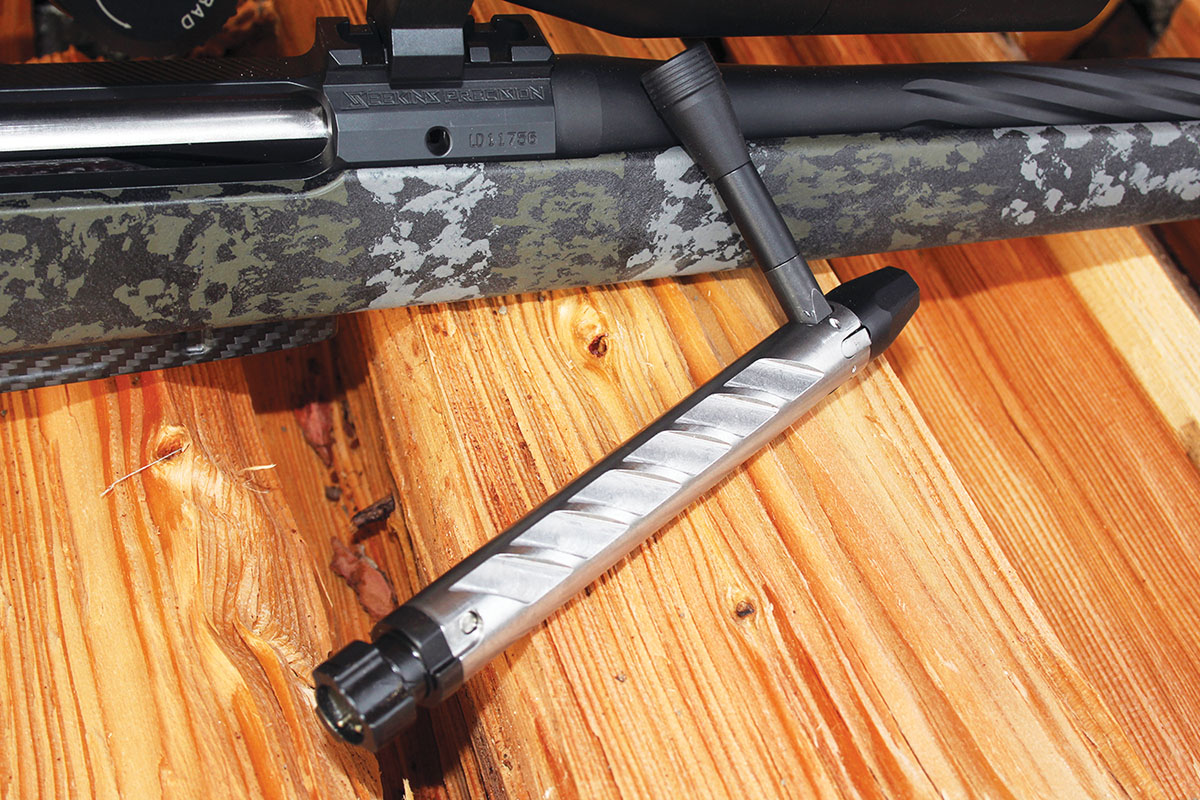
    The bolt includes a three-lug design with a 60-degree throw. The head is removable to  accommodate standard or magnum cartridges and runs buttery smooth.
    The bolt includes a three-lug design with a 60-degree throw. The head is removable to accommodate standard or magnum cartridges and runs buttery smooth.
    The PH3 quick-change barrel system is truly intuitive, including a barrel clamp, and requires just two tools (which are stored on the rifle). In conjunction with that feature is the PH3’s toolless removable bolt head. These are offered in standard and magnum dimensions, leaving out some hugely popular small-head varmint rounds. The system allows easy cartridge swaps or cleaning in concert with barrel changes and is genuinely simple and fast to use – allowing turning one rifle into a deer rifle one month, or an elk rifle the next. Making these switches does require the barreled action to be removed from the stock (unlike the HIT rifle, which allows changing barrels with the action remaining in the chassis), but this is a minor inconvenience.
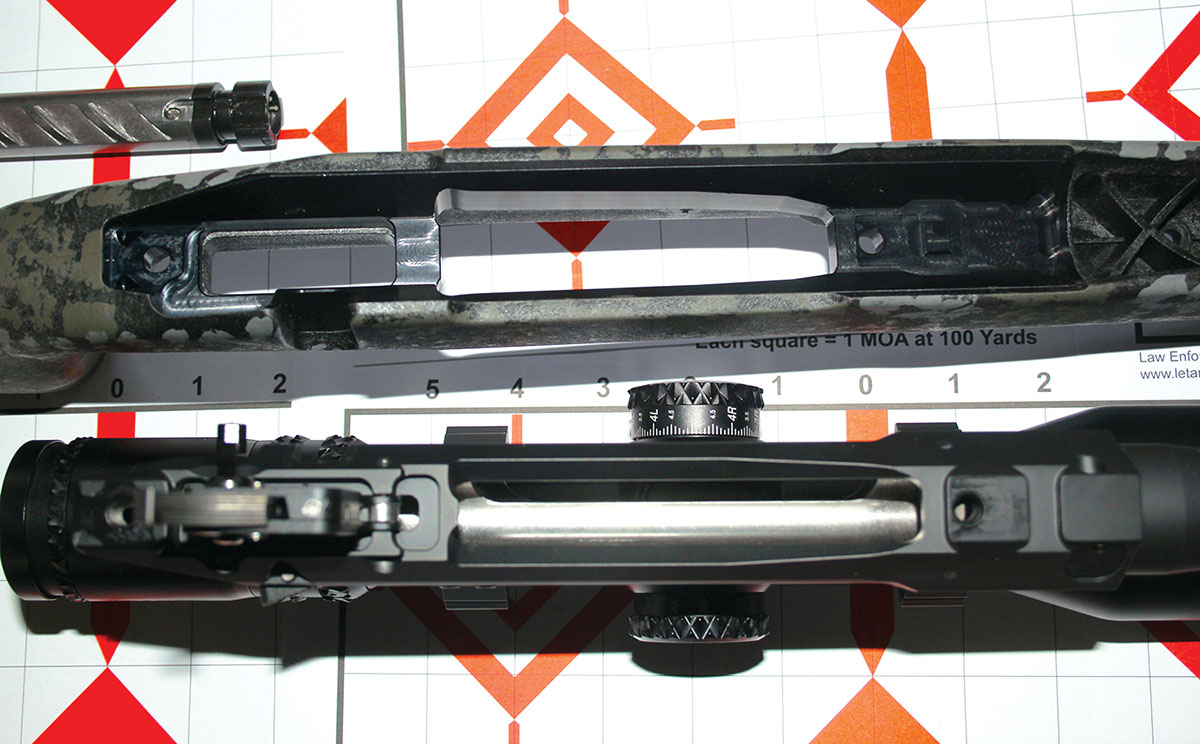
    The carbon-fiber stock of the Seekins PH3 bolt-action rifle includes a  milled- aluminum mini chassis to provide a rigid and stable bedding block  for the new flat-bottomed PH3 Havak action.
    The carbon-fiber stock of the Seekins PH3 bolt-action rifle includes a milled- aluminum mini chassis to provide a rigid and stable bedding block for the new flat-bottomed PH3 Havak action.
    Seekins also uses open-source headspace and tenon specifications, allowing any gunsmith to cut an aftermarket barrel for your PH3 if you desire a chambering not offered by Seekins or an exotic wildcat cartridge.  

    Seekins barrels are made from 416R stainless steel, deeply spiral fluted, and reamed to allow maximum cartridge overall length (COAL). This allows running long-for-caliber bullets without intruding into powder space. For instance, this allows up to a 3.14-inch COAL for the 6.5 PRC and 3.9 inches for the 300 PRC and 300 Winchester Magnum. The test rifle included 1:8 twist to stabilize the heaviest modern 7mm bullets. Barrels include 5⁄8x24 muzzle threads, which hold a ported muzzle brake from the factory, but allow for quickly adding a suppressor. 

    Several PH3 configurations are available. In short actions, choose from a 20-inch barrel in 6mm Creedmoor, 6.5 Creedmoor, 6.5 PRC, 277
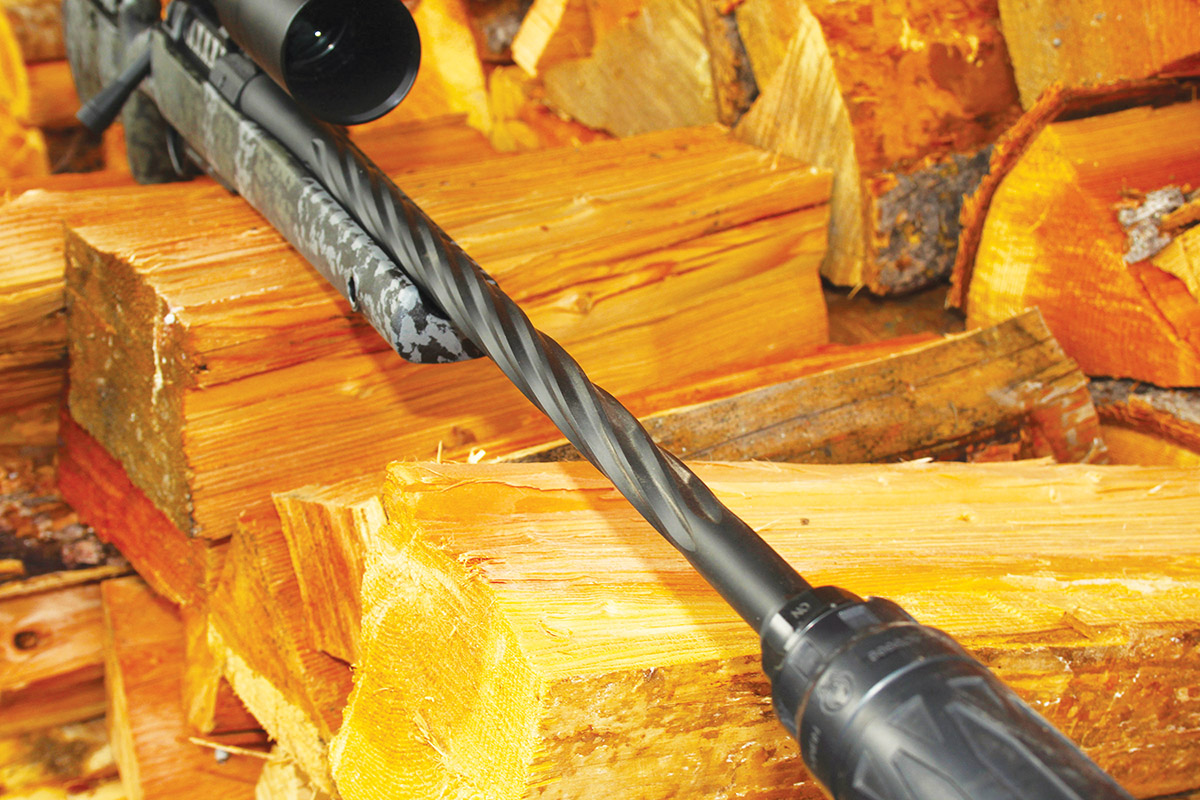
    The 22-inch barrel of the test rifle included a 1:8 twist to handle the heaviest 7mm bullets suited to the 7mm PRC chambering and handsome spiral fluting.
    The 22-inch barrel of the test rifle included a 1:8 twist to handle the heaviest 7mm bullets suited to the 7mm PRC chambering and handsome spiral fluting.
    Fury or 308 Winchester; or a 24-inch barrel in the same chamberings. In long actions, options include a 22-inch barrel in 7mm Remington Magnum, 7mm PRC, 7mm Backcountry, 300 Winchester Magnum or 300 PRC; or a 26-inch barrel in the same chamberings. From this lineup, a 22-inch barrel 7mm PRC was tested.  

    The PH3’s 60-degree bolt throw is made even smoother through a dual-cam system, which results in obviously faster cycling, but also improved bolt lift. The three-lug system was
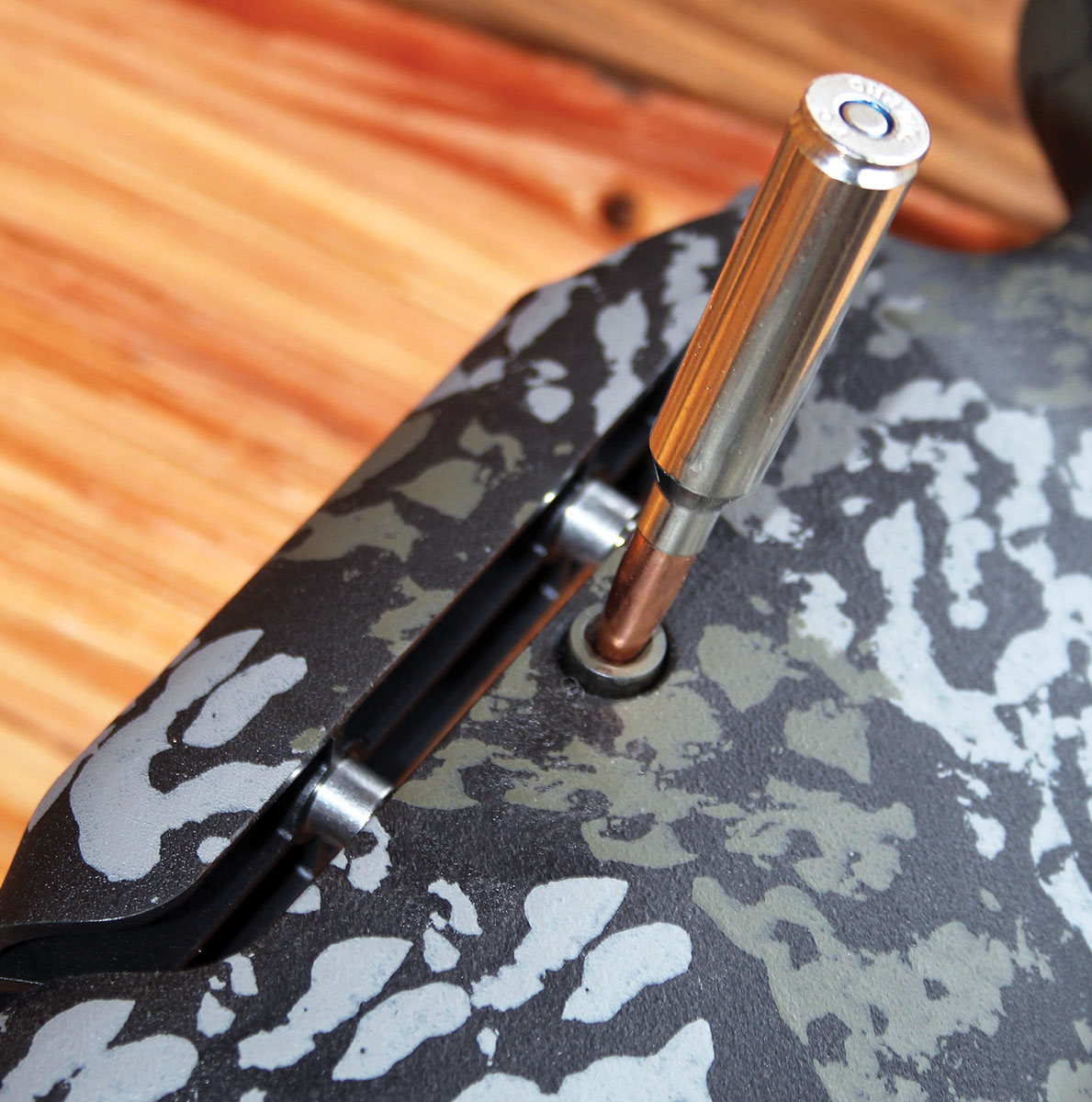
    Adjusting the comb requires pushing the release button below the stock surface. This is easily  accomplished using a loaded cartridge.
    Adjusting the comb requires pushing the release button below the stock surface. This is easily accomplished using a loaded cartridge.
    optimized to handle higher-pressure cartridges, like the 7mm Backcountry, in particular. The bolt body includes a side raceway slot and staggered cutouts that show in the ejection port when it is in battery. The bolt handle is straight and generously sized, holding a screw-on knob with a knurled ring. The bolt face includes an extractor embedded in the inside lug and dual mini stainless-steel plunger ejectors. It is being touted as Seekins’ fastest, smoothest, bind-free action yet, while maintaining remarkably tight tolerances. I agree with that assessment. 

    The PH3’s clean and streamlined action includes an integral split 20-MOA Picatinny rail, with two slots at the rear and four forward. Each Picatinny-rail section is hollowed conspicuously. I’m sure this shaves a few ounces from final weight, but I’m not a huge fan of the split approach. It limits what scope models and mounting systems can be utilized, particularly across a long-action span. 
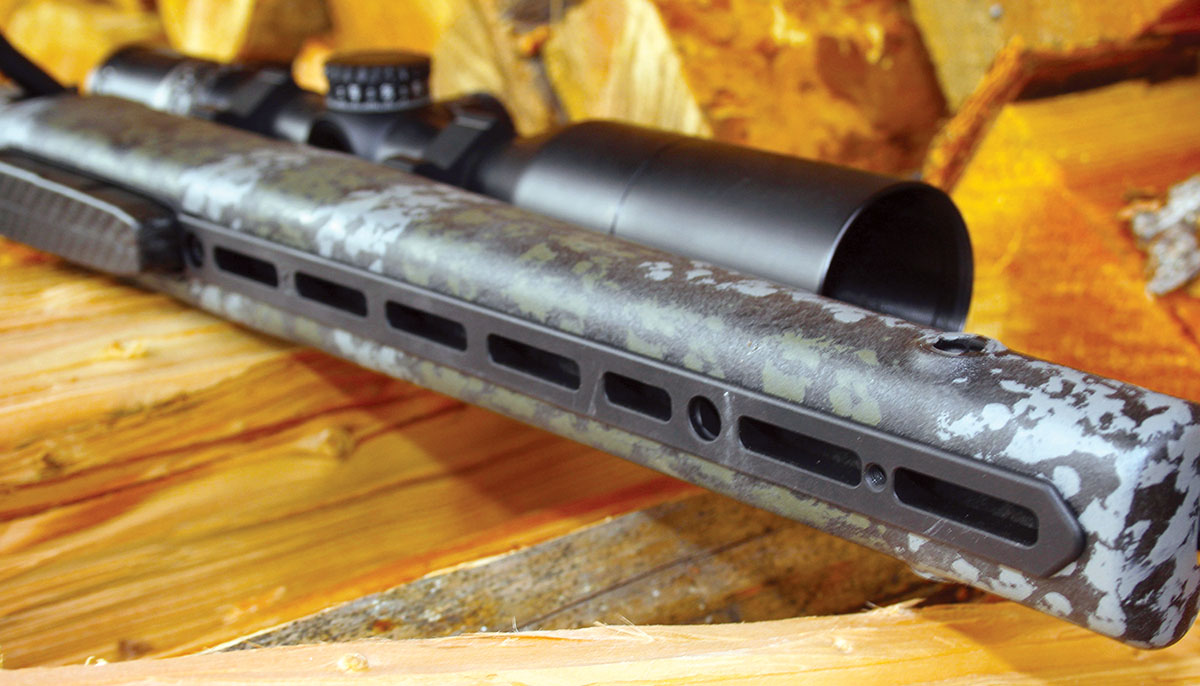
    The forend of the carbon fiber stock holds an  embedded M-LOK rail, which includes QD sockets for sling studs and allows streamlined attachment of various M-LOK accessories.
    The forend of the carbon fiber stock holds an embedded M-LOK rail, which includes QD sockets for sling studs and allows streamlined attachment of various M-LOK accessories.
    Generous pressure-relief ports are found to each side of the bolt head through the action sleeve. The PH3 holds a TriggerTech Primary trigger, which is user-adjustable from 2.5 to 5 pounds. The adjustment screw is accessible with the short leg of a standard Allen wrench inside the trigger guard. Being a TriggerTech trigger, a clean, crisp pull is essentially ensured. The safety is a simple two-position Remington 700-style design, and pulling it rearward to engage the safe does not lock the bolt. A left-side rocker button releases the bolt for removal.   

    The bottom metal, M-LOK rail, and mini chassis system are milled from aluminum. The trigger guard is generous enough to shoot while wearing insulated gloves. The spring-loaded and grooved magazine release is found at the front of the trigger guard and
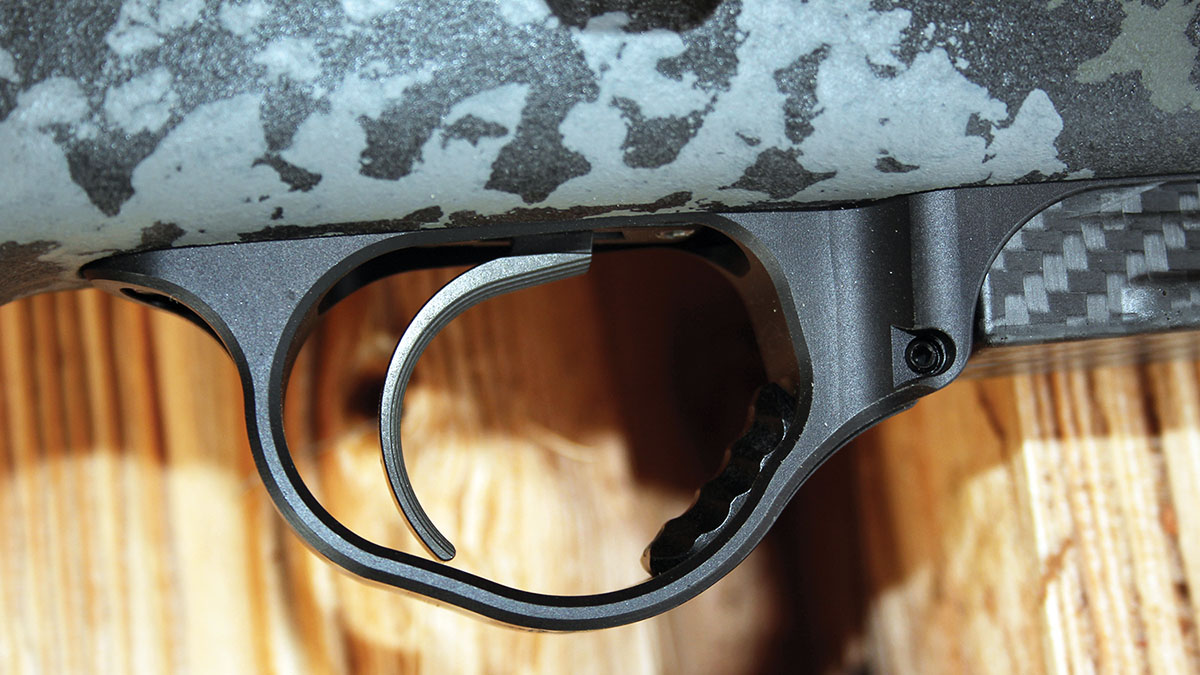
    The PH3 includes a generous milled-aluminum trigger guard compatible with insulated gloves and including graceful lines.
    The PH3 includes a generous milled-aluminum trigger guard compatible with insulated gloves and including graceful lines.
    contoured to fit the inside curvature. Seekins makes their proprietary carbon-fiber detachable magazines in-house, a design with a polymer follower that is featherlight and entirely reliable. The bolts anchoring the action include large hex heads for positive engagement.     

    The PH3 is bedded in a carbon composite stock, including the aforementioned mini-chassis system. The aluminum chassis is integrated as part of the stock to provide a more solid and stable platform for the action, and a stiffer overall nature in general. The comb is adjustable for height through a spring-loaded side button (which must be pressed beyond the stock surface with a
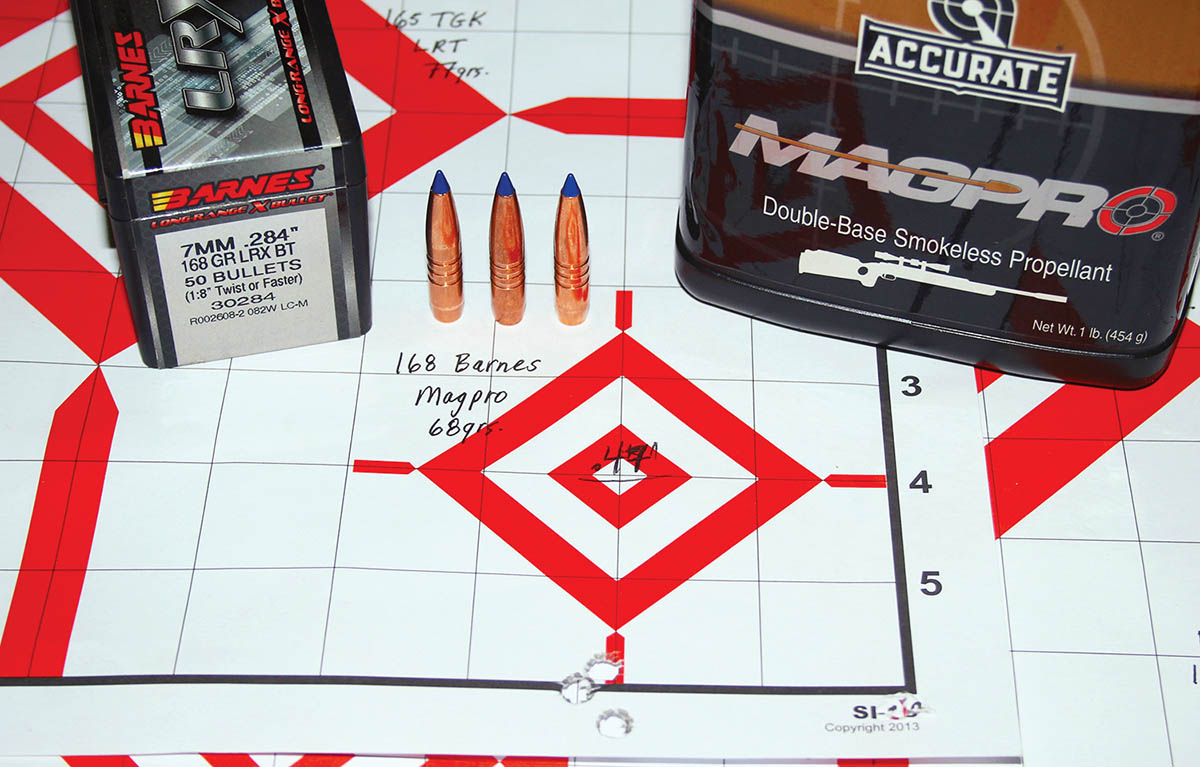
    The best group assembled during testing involved Barnes’ 168-grain LRX BT bullet and 68 grains of  Accurate Magpro powder. The group measured less than a 1⁄2 inch and was sent at 2,885 feet  per second (fps).
    The best group assembled during testing involved Barnes’ 168-grain LRX BT bullet and 68 grains of Accurate Magpro powder. The group measured less than a 1⁄2 inch and was sent at 2,885 feet per second (fps).
    pointed object such as a loaded cartridge), and the butt uses length-of-pull spacers to create a comfortable fit. The comb sits on twin stainless-steel pillars with positive click-in adjustment slots, which provide rigid settings. 

    The grip includes a deep thumb valley and pronounced palm swells that might prove troublesome for those with small hands. The forearm holds an integrated seven-slot M-LOK accessory rail (which also accepts a QD sling swivel or screw-in sling stud) running from the magazine well to nearly the end of the forearm, making it easy to mount accessories such as bipods. The recoil pad is soft rubber. The QD sling attachment points are found in the M-LOK rail (as mentioned), but also on both sides of the forearm and in the bottom of the butt. 
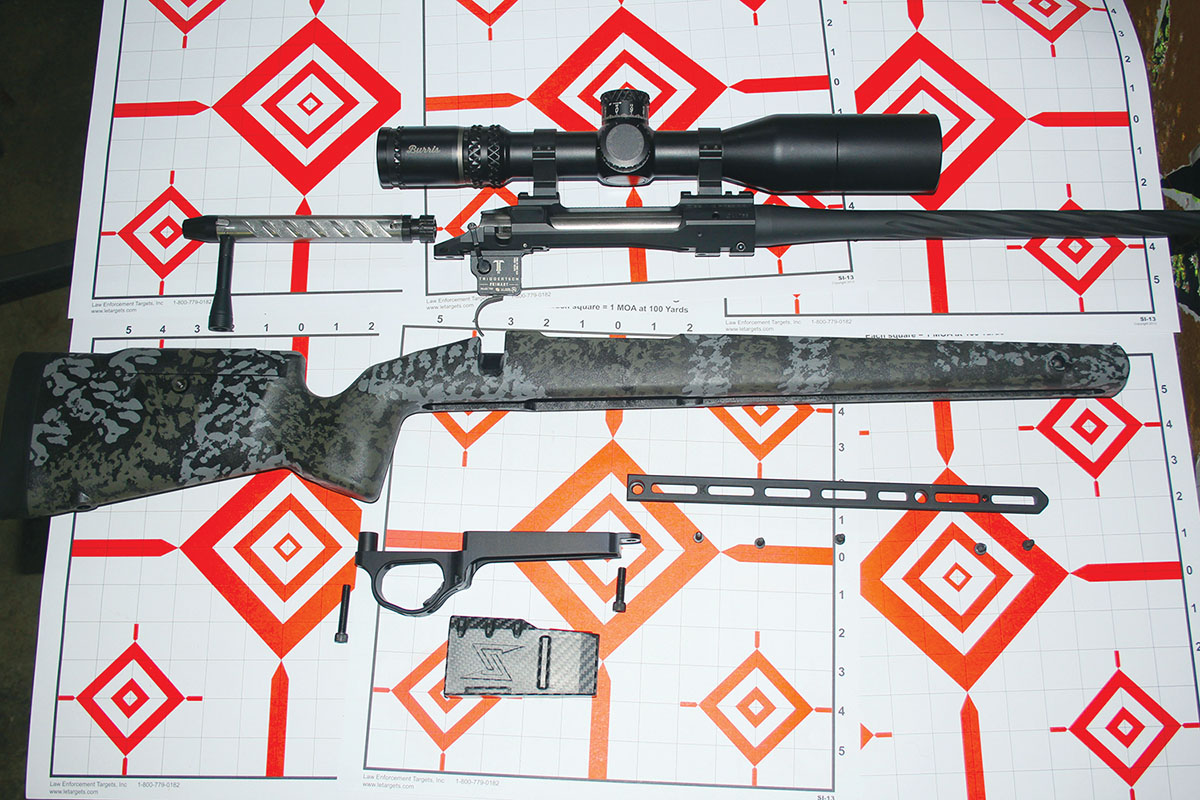
    A blow-up of the Seekins Precision HAVOK PH3, taken down to its basic parts, is shown here. The PH3’s interchangeable barrel system requires removing the action from the stock.
    A blow-up of the Seekins Precision HAVOK PH3, taken down to its basic parts, is shown here. The PH3’s interchangeable barrel system requires removing the action from the stock.
    The PH3 carbon composite stock is offered in Mountain Shadow, Urban Shadow and new Woodland Shadow color options. The action, as hinted, is compatible with the Seekins’ M3 Chassis and other stocks. 

    Overall rifle balance and handling are exceptional. This helps it point well and mitigates a good amount of felt recoil. The PH3 isn’t exactly feathery, as it was designed to meet weight requirements for NRL Hunter competitions. My scale put the bare rifle at 7.94 pounds, which isn’t exactly heavy either. With my trusty Burris XTR III 3.3-18x 50mm scope mounted in steel Leupold 34mm rings, and Dead Air Nomad Ti XC suppressor installed, the finished weight was about 11.5 pounds. 

    The Burris XTR III 3.3-18x 50mm riflescope has proven to be dead reliable and user-friendly, which is why I use it for frequent rifle testing. The 50mm objective allows the option of lower mounting, and the optical system is exceptional. The first focal plane (FFP) riflescope is based on a 34mm tube and includes 0.1-MRAD click values. It provides 35 milliradians (mils) of elevation and 16 mils of windage adjustments. The elevation turret includes a zero-stop system. The side parallax wheel provides 25 yards to infinity adjustments. The scope measures 13.3 inches long and weighs 29.8 ounces. It include a precision SCR MOA illuminated reticle. 

    The rifle tested included a 22-inch, spiral-fluted barrel, to which a Dead Air Nomad Ti XC suppressor was attached. I had four different types of factory ammunition on hand – two each from Hornady and Federal Premium – and auditioned six different 7mm handloaded hunting bullets with fairly random charges of modern powders. Bullets included 140-, 150- and 168-grain lead-free copper, and 165-, 168- and 175-grain VLD/ELD-style long-range lead-core projectiles. The 7mm PRC cartridge was designed to essentially replace the venerable 7mm Remington Magnum through modern cartridge design, free of a belt, including a 30-degree shoulder angle and featuring a shorter, fatter case promising improved efficiency.   

    During testing, I actually had the opportunity to shoot two PH3 rifles, both chambered in 7mm PRC, one owned by a friend who wanted help finding a solid handload for hunting, and another borrowed from Olive’s Auto Parts & Guns. Both were capable of meeting Seekins’ 1⁄2-MOA guarantee, but both required some concerted load development to get there. Also, loads that shot well in the first rifle did poorly in the second – showing yet again every rifle is an individual and that there is seldom a cure-all load for all rifles chambered for a particular cartridge. I suspect that accuracy would improve after some barrel break-in.

    This is to say, Seekins’ new Havak PH3 is certainly capable of meeting the company’s 1⁄2-inch promise; you’ll just have to put in the work to get there. I suspect much of the riddle of the 7mm PRC lies in choosing a powder that meets your goals and jockeying seating depths with the long-for-caliber bullets the round was built around.

    The PH3, like other Seekins rifles, comes with a no-questions-asked lifetime warranty.


    Wolfe Publishing Group