

Henry Long Ranger
Old-West Style with Modern Accuracy
feature By: Alan Garbers | May, 26
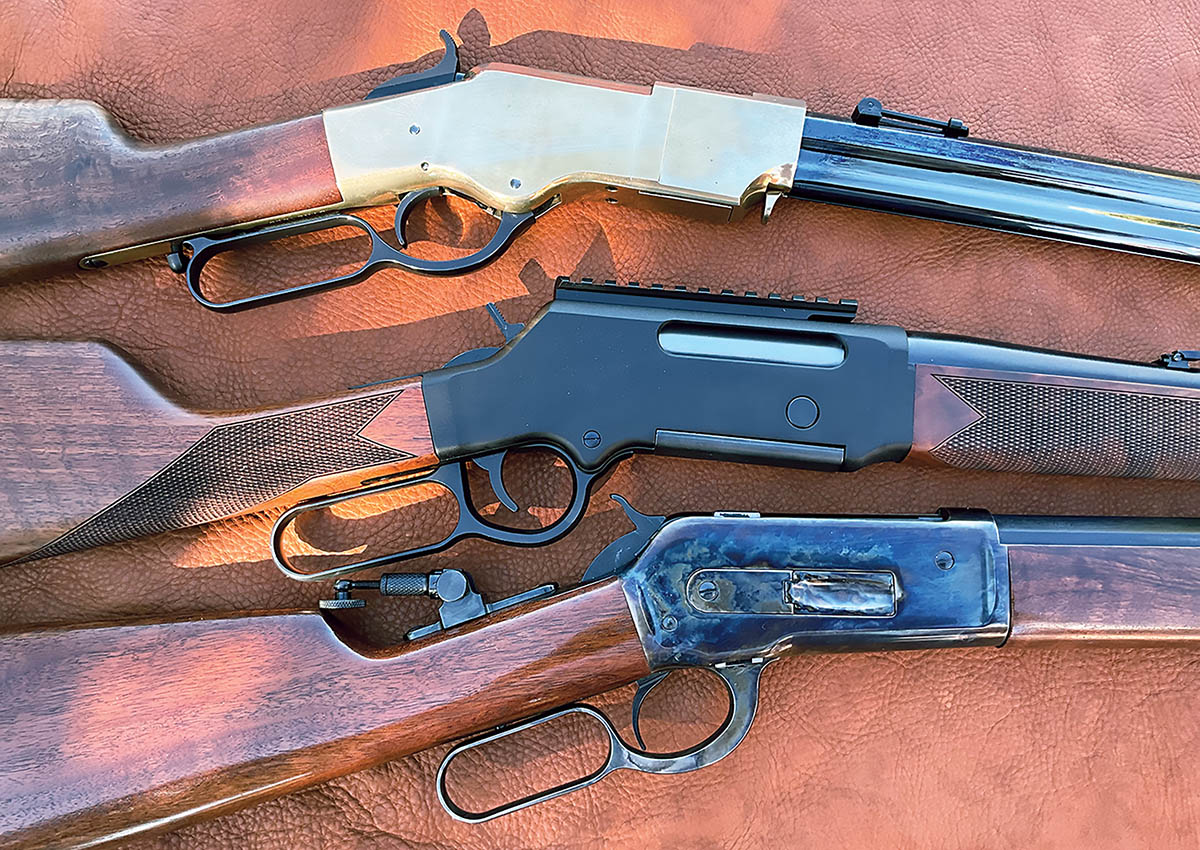
While Henry Repeating Arms (HRA) is not directly linked to the original, they also have reached a celebrated status among hunters, collectors and plinkers from all walks of life. The highly-polished brass-framed HRA lever-action rifles quicken the pulse of almost anyone who handles one, myself included. I own the HRA reproduction of the original Henry. Aptly named The New Original Henry, it is a masterpiece in American walnut, brass and blued steel. I occasionally take it out of the safe and use it in Cowboy Action Shooting matches, then carefully clean it and put it back in the safe. It is the one gun I own that my daughter wants to be passed to her when I leave this world.
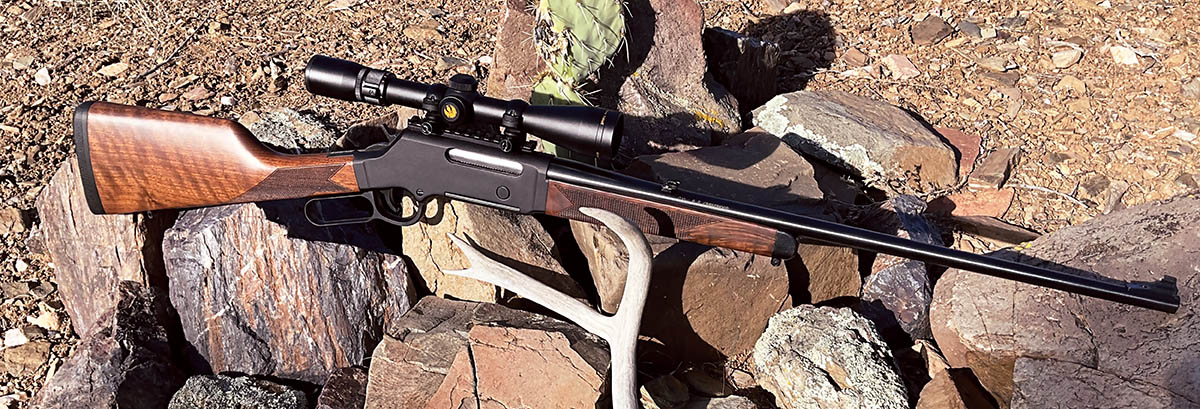
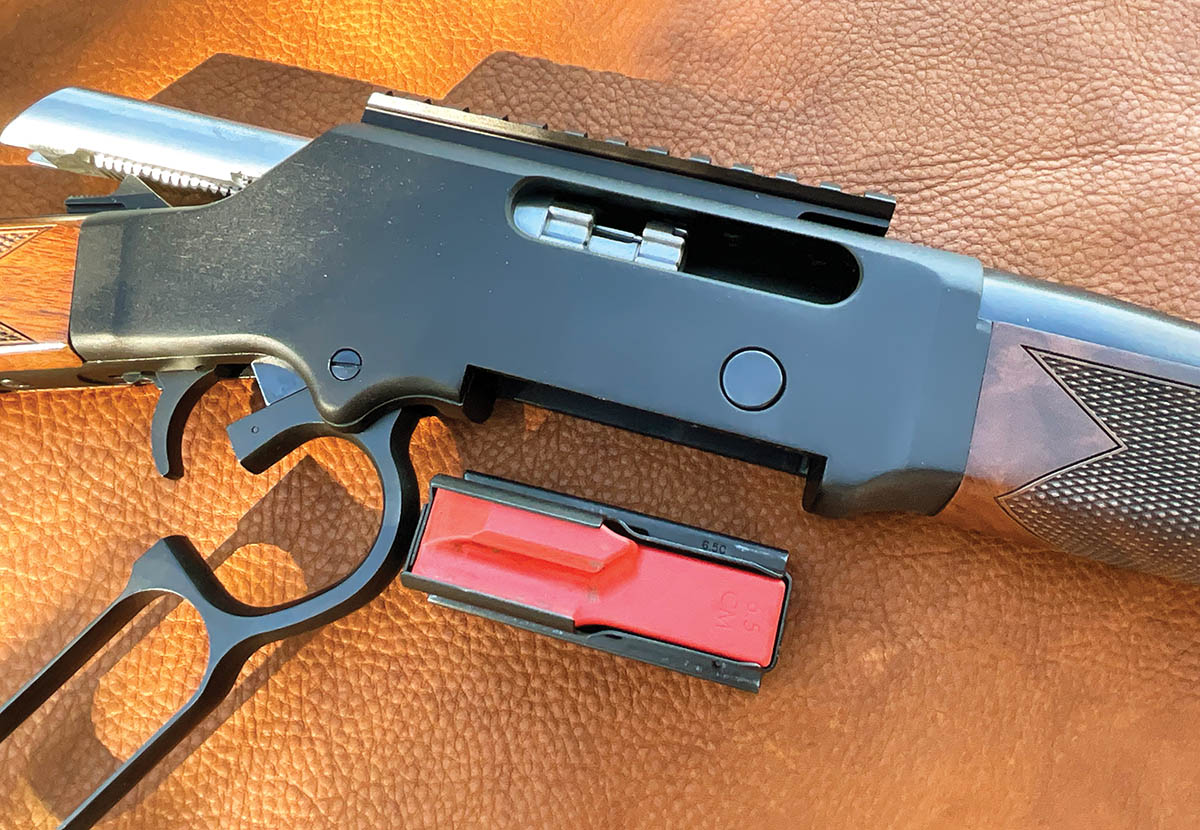
Another Henry repeater shares space in the safe, the Henry Long Ranger. Like their other firearms, it is handcrafted with care, with smooth transitions from metal to wood. Unlike most lever-action rifles, it is a detachable box-fed magazine. This revolutionizes the capability of the gun.
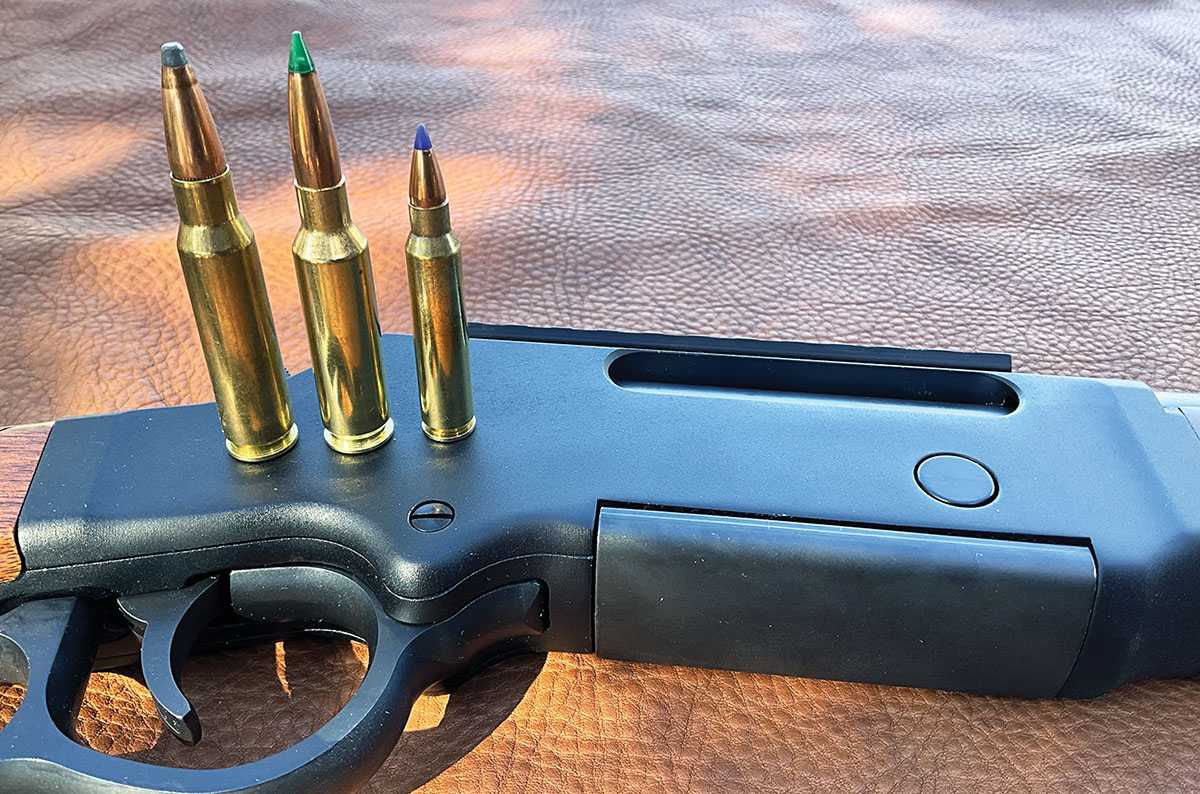
The original Henry used rimfire cartridges, so there wasn’t a danger of chain fire during recoil or sudden bumps and jolts. As technology improved, cartridges transitioned to centerfire, and there lies the issue.
In the tubular magazine, the nose of the bullet often rests against the cartridge’s primer in front of it. If the nose of the bullet was too pointed or the jolt was too great, the bullet nose hit the primer hard enough to set it off, sometimes resulting in multiple cartridges firing. The shooter often suffered a hand injury and soiled pants, both of which are less than desirable. Most cartridge companies offered roundnose or flatnose bullets in cartridges designed for tube-fed rifles to prevent such an event.
As technology improved in the late 1890s and the industry transitioned to smokeless powder, shooters, including the military, realized that doubling a bullet’s speed quadrupled its energy. It wasn’t hard to double the speed of the older black-powder cartridges, which meant they could lower the bullet weight and still have the same energy. Less bullet weight meant soldiers could carry more ammunition and shoot farther and more accurately. Roundnose bullets morphed into more aerodynamic spire point bullets.
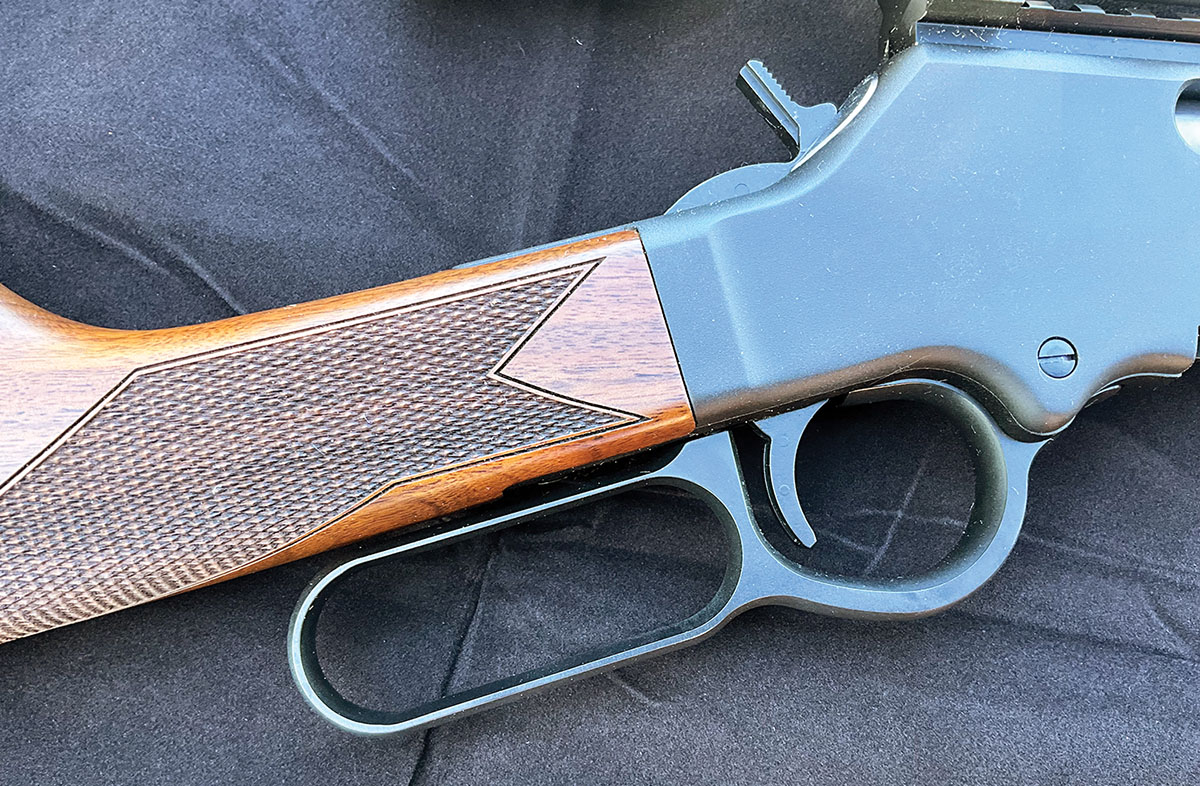
But, just in case you think you’re having Deja vu, yes, the Henry Long Ranger looks like and has many of the same features, as the well-known Browning Lever Rifle (BLR).
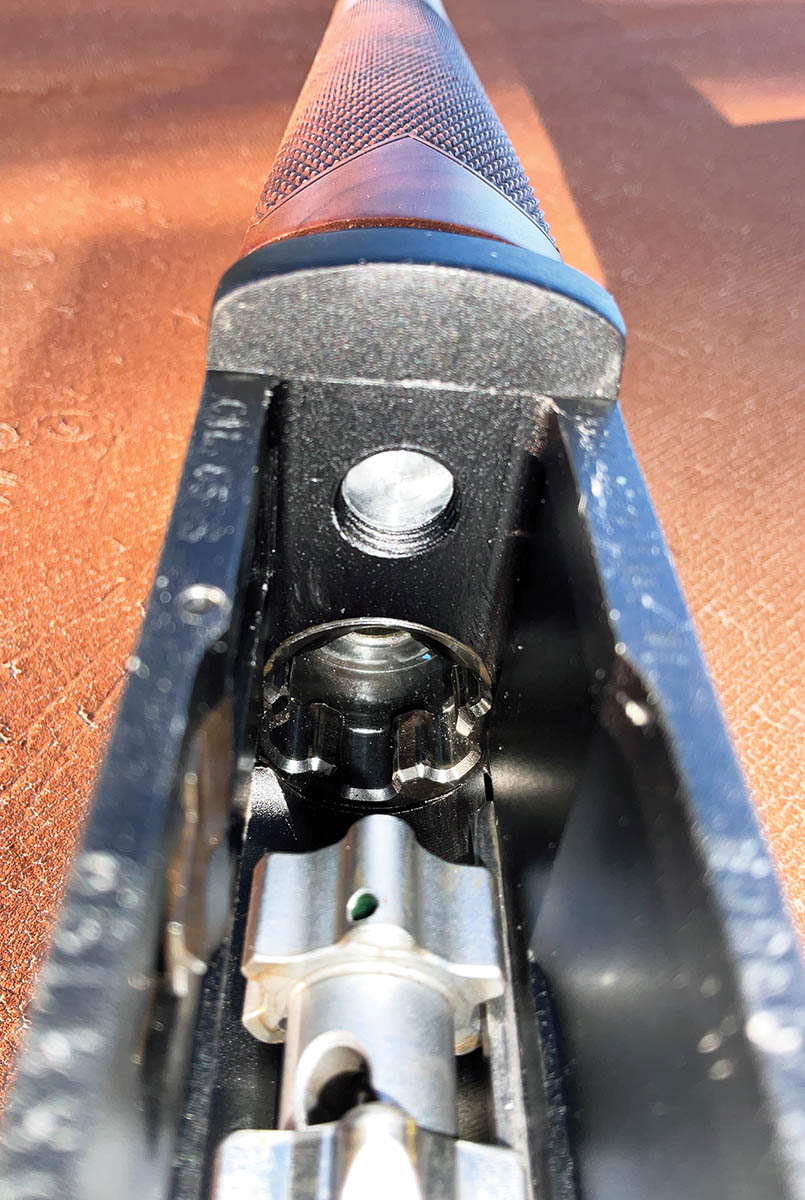
Internally, the Henry Long Ranger reminds me of the Bullard Rifle and its rack-and-pinion system, which was offered in the late 1800s, but it takes even more cues from the semiautomatic AR platform.
Anyone who has had an AR stripped down will remember the series of notches on the side of the bolt carrier that the forward assist uses if needed. The Henry Long Ranger uses a similar design on its bolt carrier, except the notches work as teeth in a rack-and-pinion
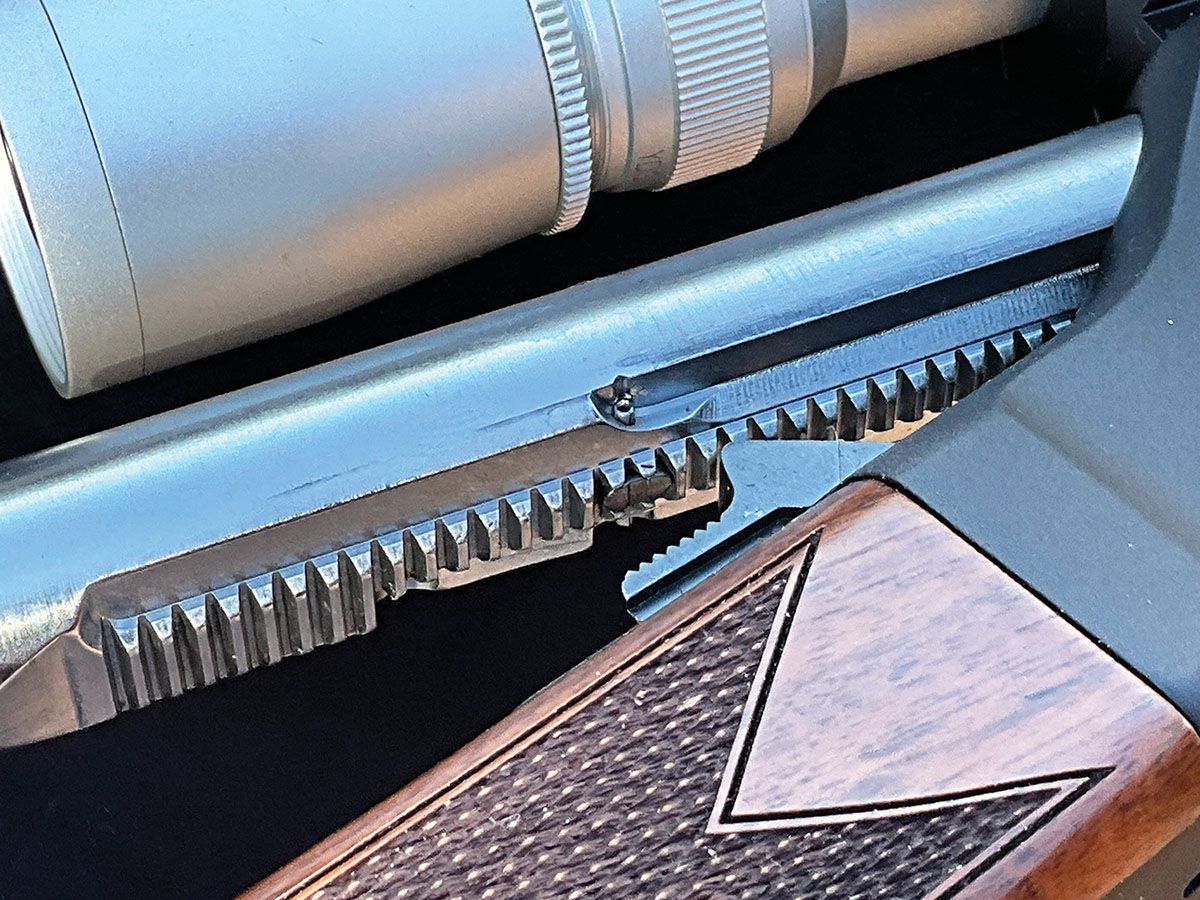
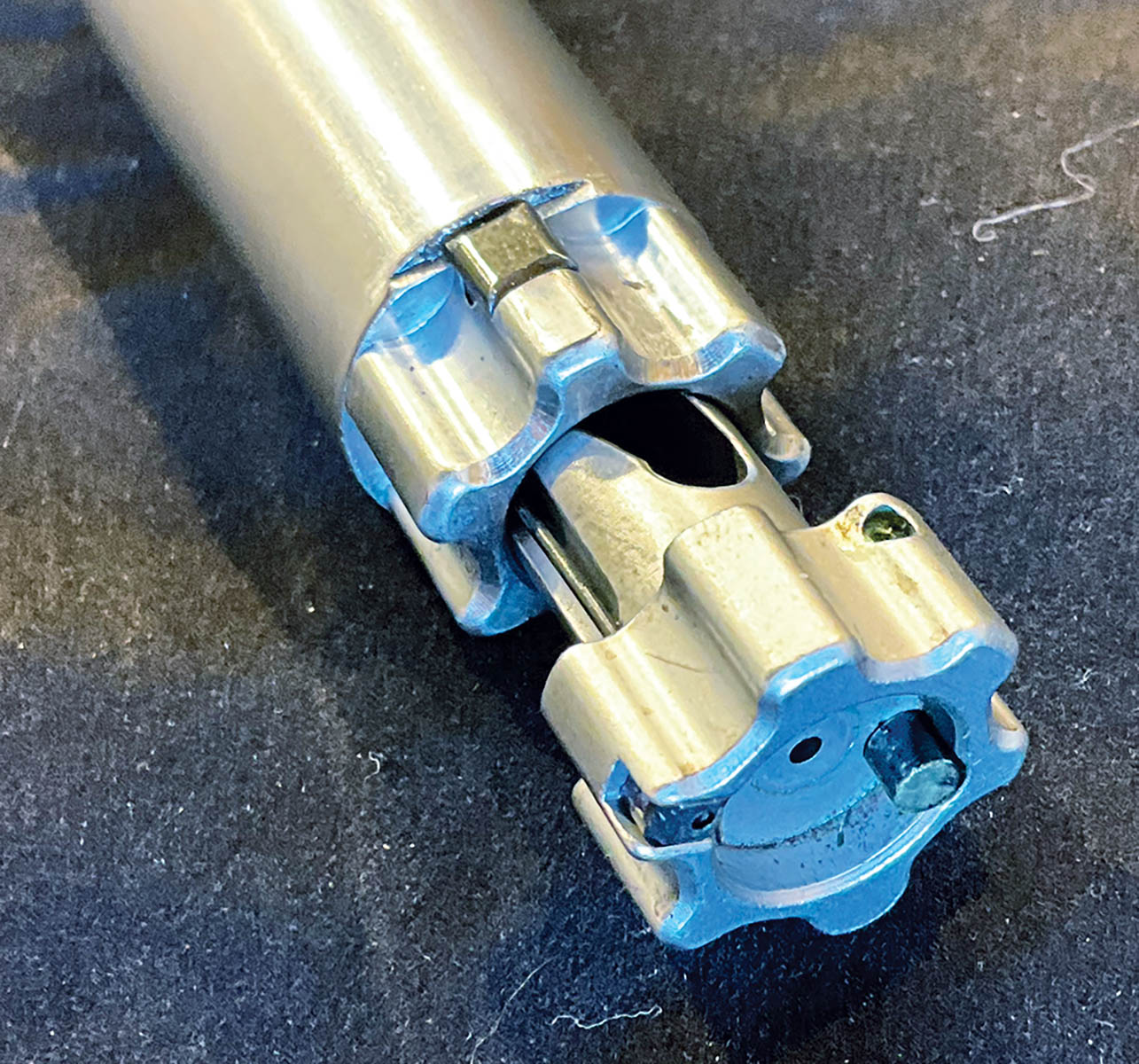
During the operation of the lever, the bolt carrier and bolt head move back, cocking the hammer. As the bolt returns home, it strips a cartridge from the box magazine and pushes it into the chamber. As the bolt nears the home position, the chrome-plated bolt head pushes against the spring inside the bolt carrier as the cam pin rotates in its channel, which causes the bolt head to rotate. As it rotates, the bolt lugs engage the six-barrel extension locking lugs.
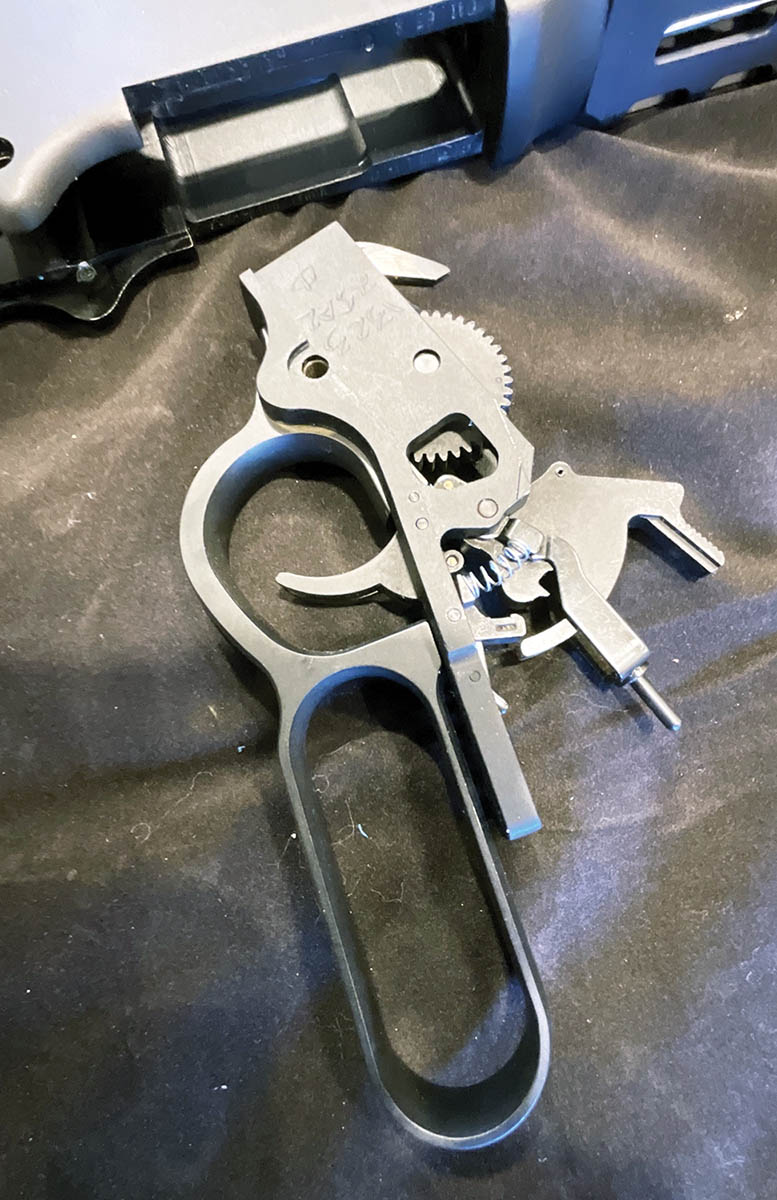
The receiver is made from a hard-coated anodized aluminum alloy, much like the AR rifles in wide use around the globe for the past 60 years. Some claim the alloy receiver won’t hold up to firing, but nothing in the receiver is stressed during firing. The steel barrel extension, into which the barrel screws, has locking lugs, just like an AR-style rifle. One has to look no further than the AR-10 family of rifles to realize the system works well and is extremely strong and reliable. If you need more proof, many AR-10 rifles are chambered in 6.5 Creedmoor
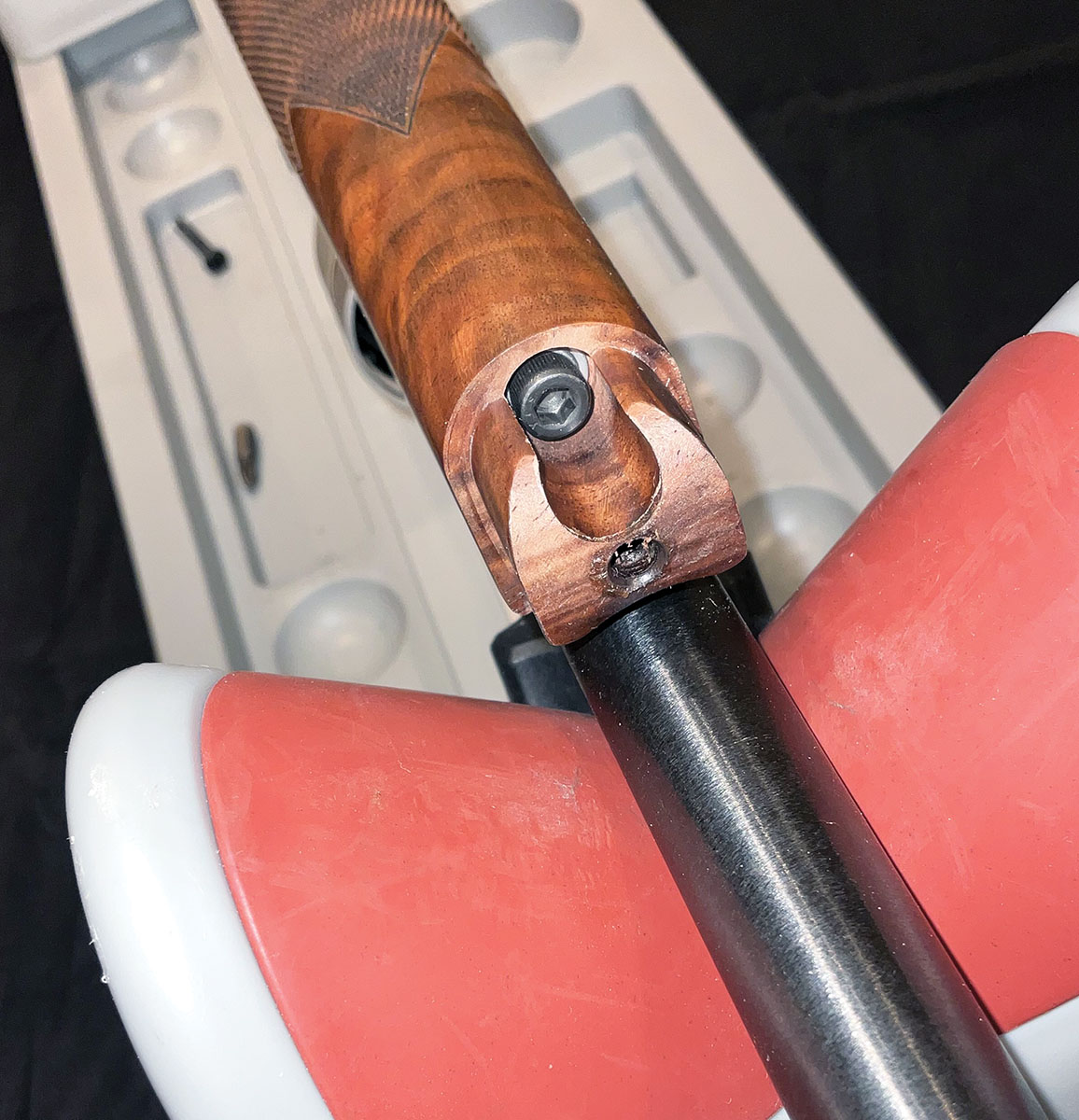
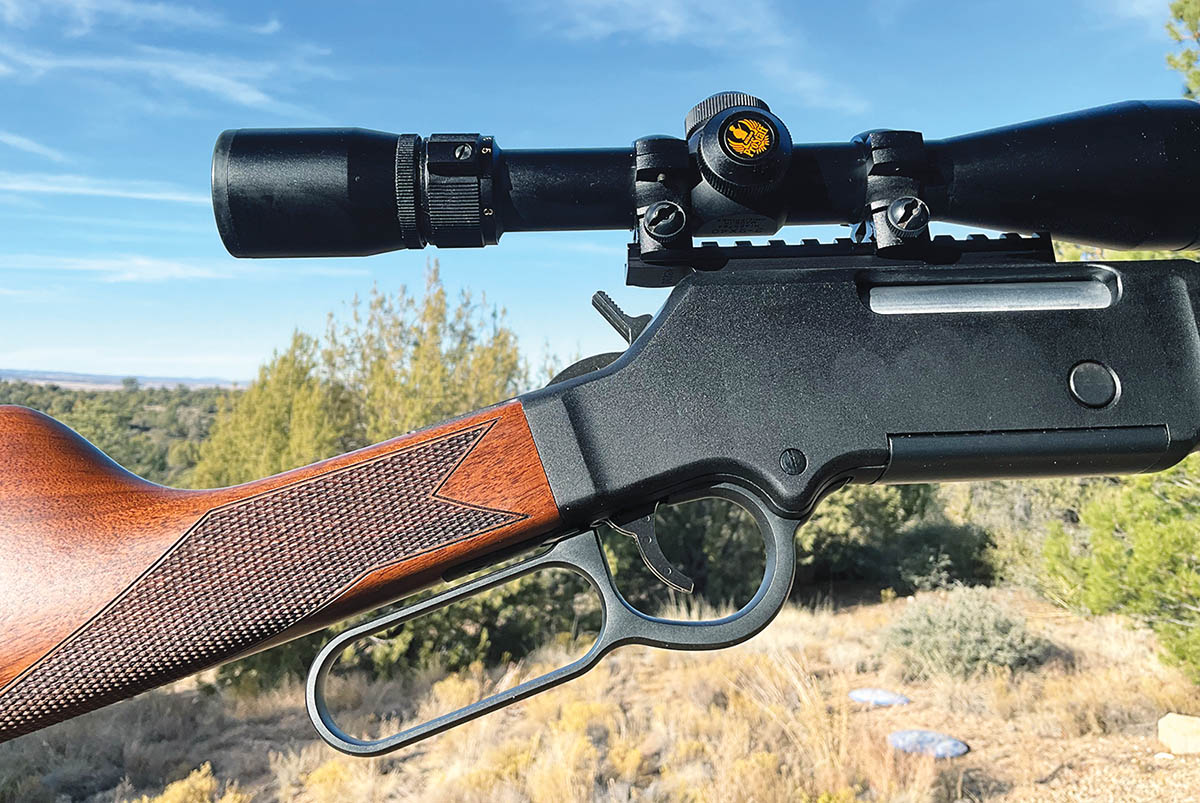
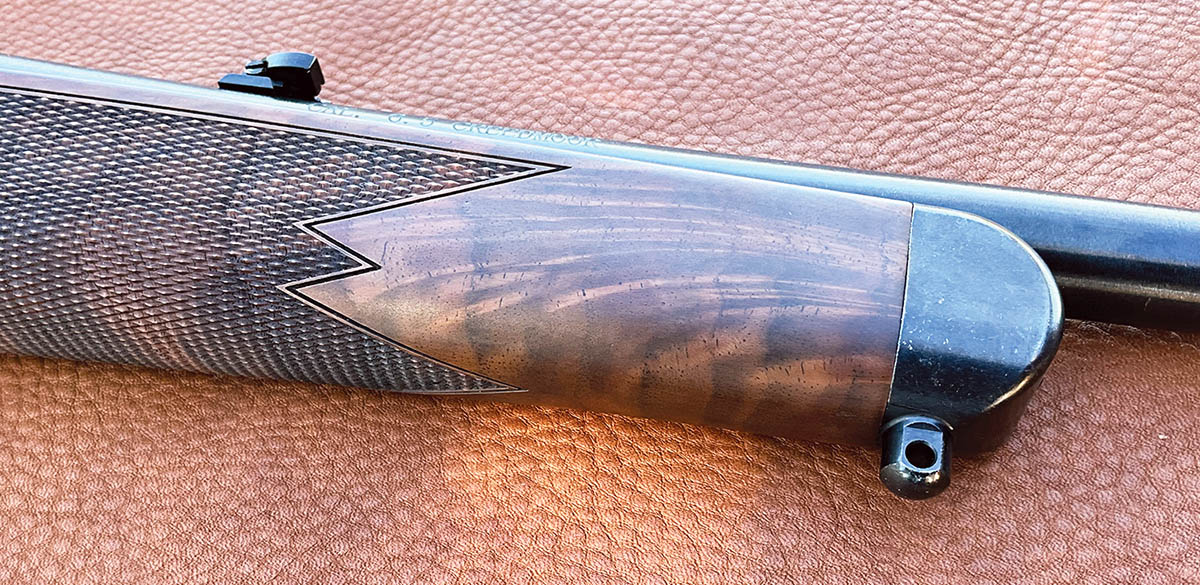
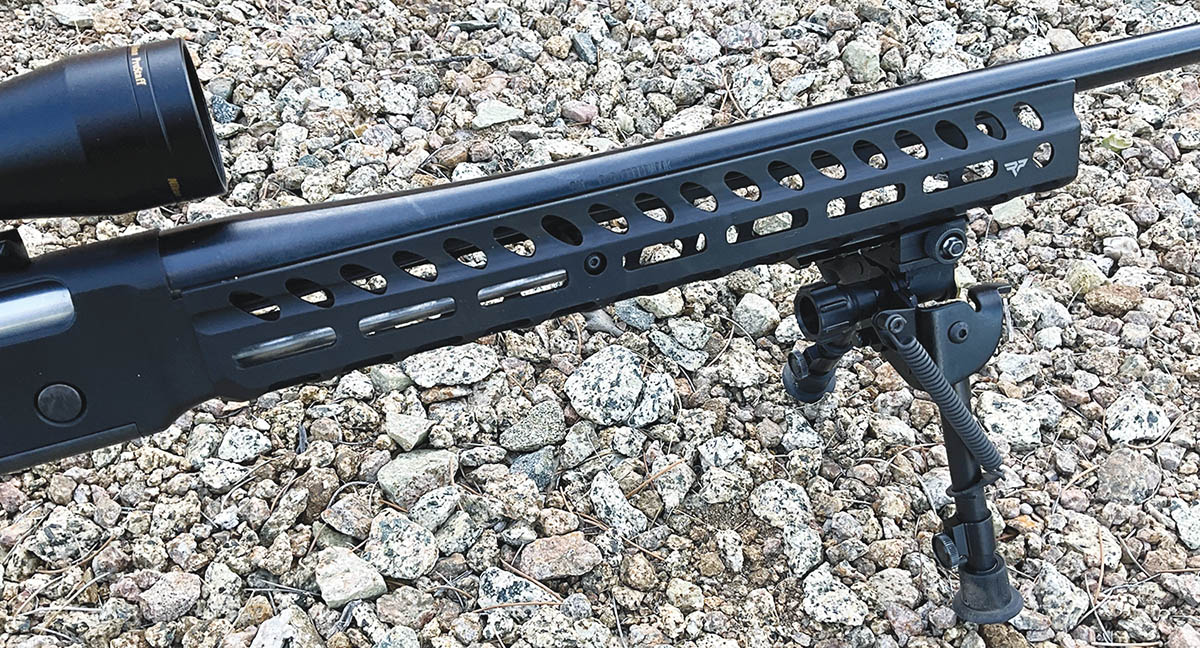
Unlike earlier lever-action rifles, the forearm does not attach to the barrel in any manner, allowing the barrel to be free-floated and accurate. The walnut forearm attaches to a strut using a cantilever system. The forearm cap covers the screw holding the forearm rigidly to the gun. A sling stud is permanently affixed to the forearm cap. Trying to unscrew the sling stud will damage the stud and the cap.
The stock has a comfortable rubber pad and proper checkering to make gripping a positive experience. The barrel is a compact 22 inches, perfect for hunting in a stand, blind or thick woods. It can be ordered with or without folding factory sights.
Traditionally, lever-action rifles have a tubular magazine under the barrel. Because the cartridges rest nose to primer/base, blunt, roundnose, or better yet, roundnose-flatpoint bullets are recommended to prevent accidental chain fire while loading or in use. The Long Ranger uses a box-fed magazine, which eliminates that problem and allows for using the most modern aerodynamic spritzer bullets. The 6.5 Creedmoor version holds four cartridges in the magazine and if you are inclined, one in the chamber.
Unlike other cartridges bred as military rounds or velocity-above-all-else magnums, the 6.5 Creedmoor was designed from the drafting table up for competitive sports. While there have been many 6.5 mm cartridges since the late 1890s, the Creedmoor family of cartridges were made for long ogive bullets with a high ballistic coefficient that maintains velocity longer and buck crosswinds
Hunters use the cartridge to hunt predators and game, from coyotes to antelope and deer. Some use the 6.5 Creedmoor to
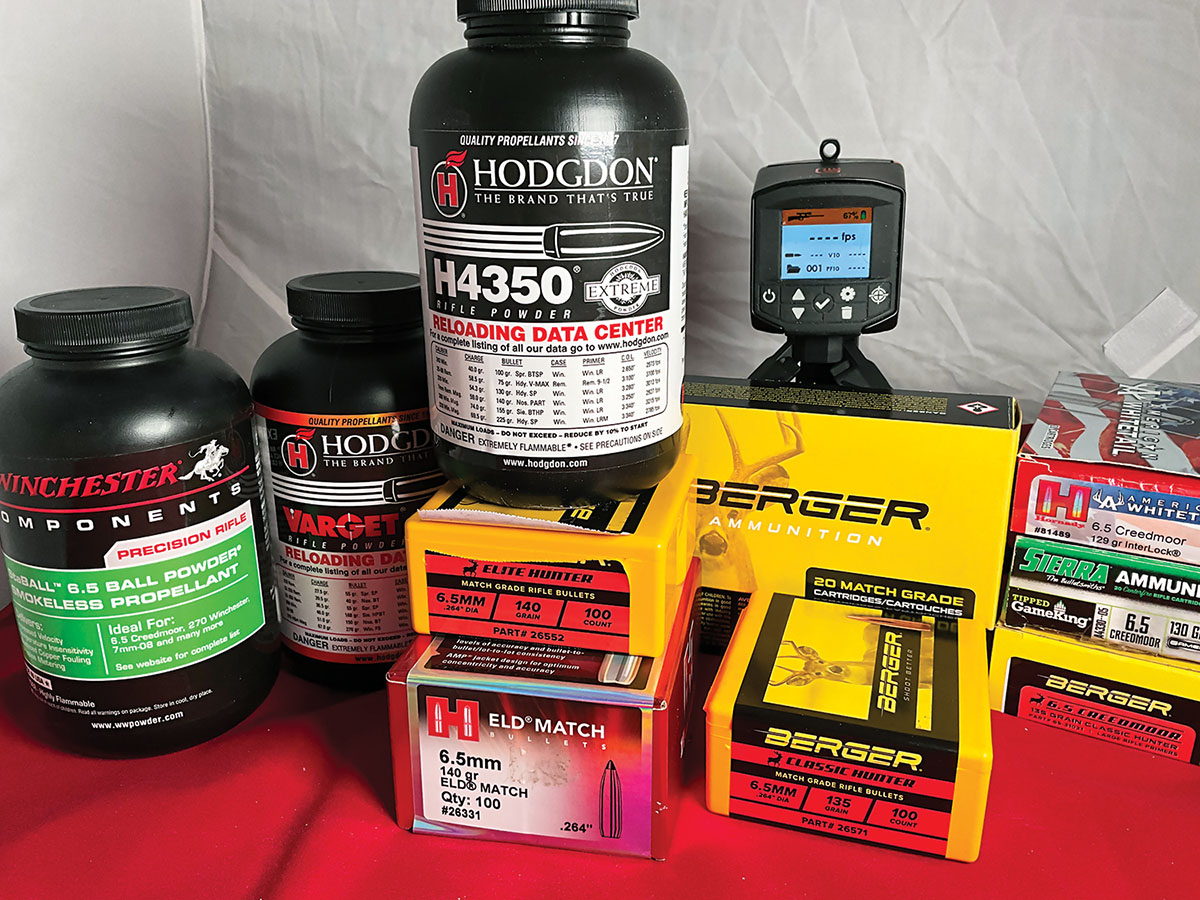
As I worked with the Henry Long Ranger, I found it to be a puzzle of a hunting rifle. At times, it gave sub-MOA groups. At other times, the groups opened up to three to four inches at 100 yards. While that is acceptable for most eastern woods hunting, the 6.5 Creedmoor has a higher pedigree, so I kept working at it. After several agonizing range sessions during which I tested multiple powder and bullet combinations, I came to the realization that it was me, not the rifle. I was not running the rifle correctly, which led to inaccuracy.
One of the first things I changed was the scope base – the two-piece factory base limits where a scope can be mounted. Like many people my age, I have vision issues, which require that I be closer to the scope to have a clear view and eliminate parallax. My two choices are to reduce the length of pull or move the scope rearward. The natural inclination for most shooters is to crane their neck forward or not fully get behind the rifle. In my case, doing so caused the gun to kick to the left when shot and destroy shot-to-shot accuracy. I purchased a one-piece aftermarket scope base from Evolution Gun Works (EGW). Luckily, the scope base mounting hole spacing is the same front and back, and I mounted the base backward, giving me even more room to move the scope back.
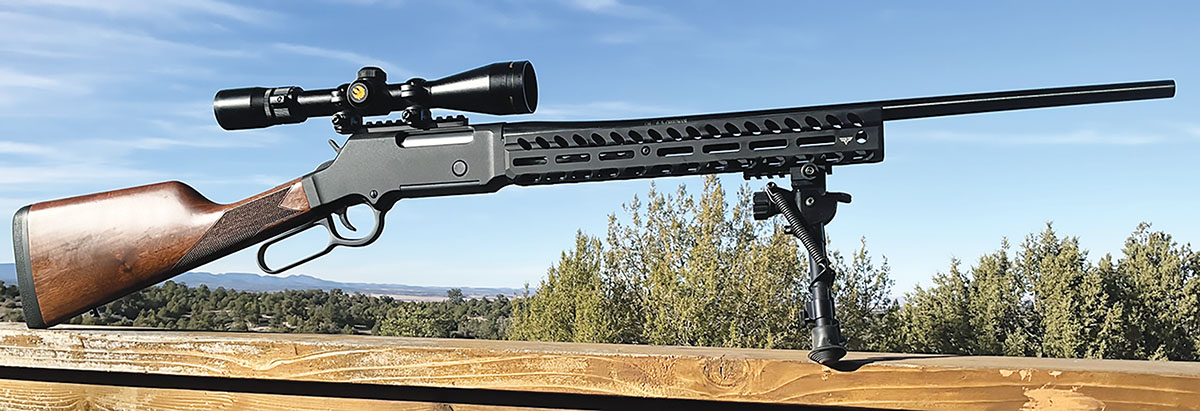

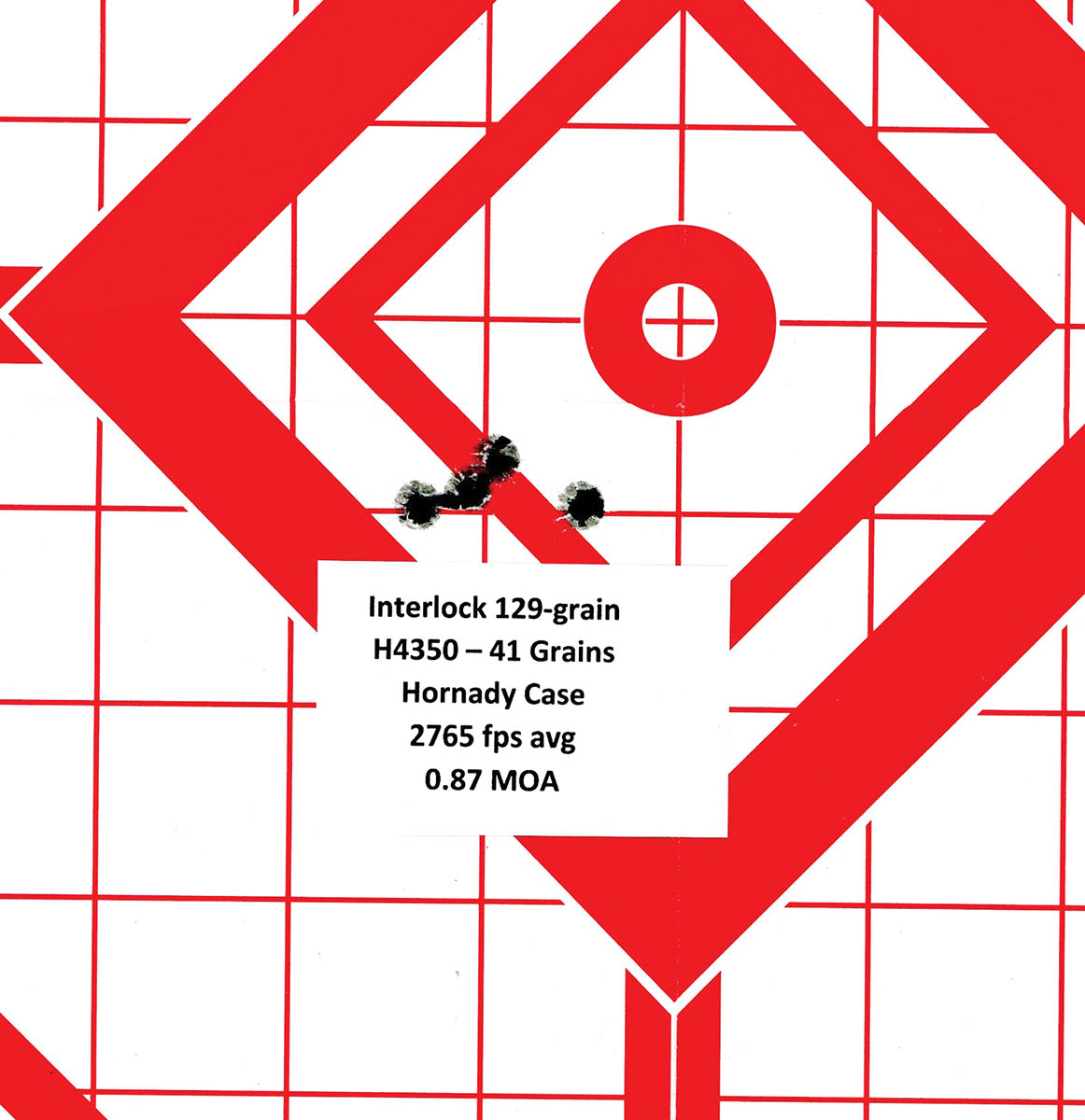
Knowing the rifle was capable of such accuracy caused me to work harder at staying focused with standard velocity loads, which resulted in shrinking my group sizes. While the thin-profile barrel isn’t currently threaded, I know a suppressor with an internal brake, such as the Banish 30 Gold, would improve performance. The extra weight at the end of the barrel and recoil reduction would make the rifle much more manageable.
Some shooters joke about using the Henry Long Ranger in long-range matches. While fun to think about, I feel there are better options available. Predator hunting is well within the rifle’s capabilities, but I recommend using a 100-grain varmint bullet, such as the Hornady ELD-VT or Nosler Ballistic Tip.
Overall, the Henry Long Ranger is a great woods rifle with superb accuracy if the shooter exercises good technique. Reduced loads can aid in developing good shooting techniques or serve as an introduction to recoil-sensitive shooters. Smaller-framed shooters might find the 14-inch length of pull a stretch. As with any gun, practice makes a better shooter. The lightweight, short overall length, ergonomics and chambering in a flat shooting cartridge provide a good fit for lever-action lovers, those physically challenged and shooters in general. With any luck, Henry will follow the market trend and offer the Long Ranger with a threaded muzzle for those who hunt suppressed.