

Proper Vintage Riflescopes
Vintage Looks, Cutting-Edge Technology
feature By: Wayne van Zwoll | May, 26
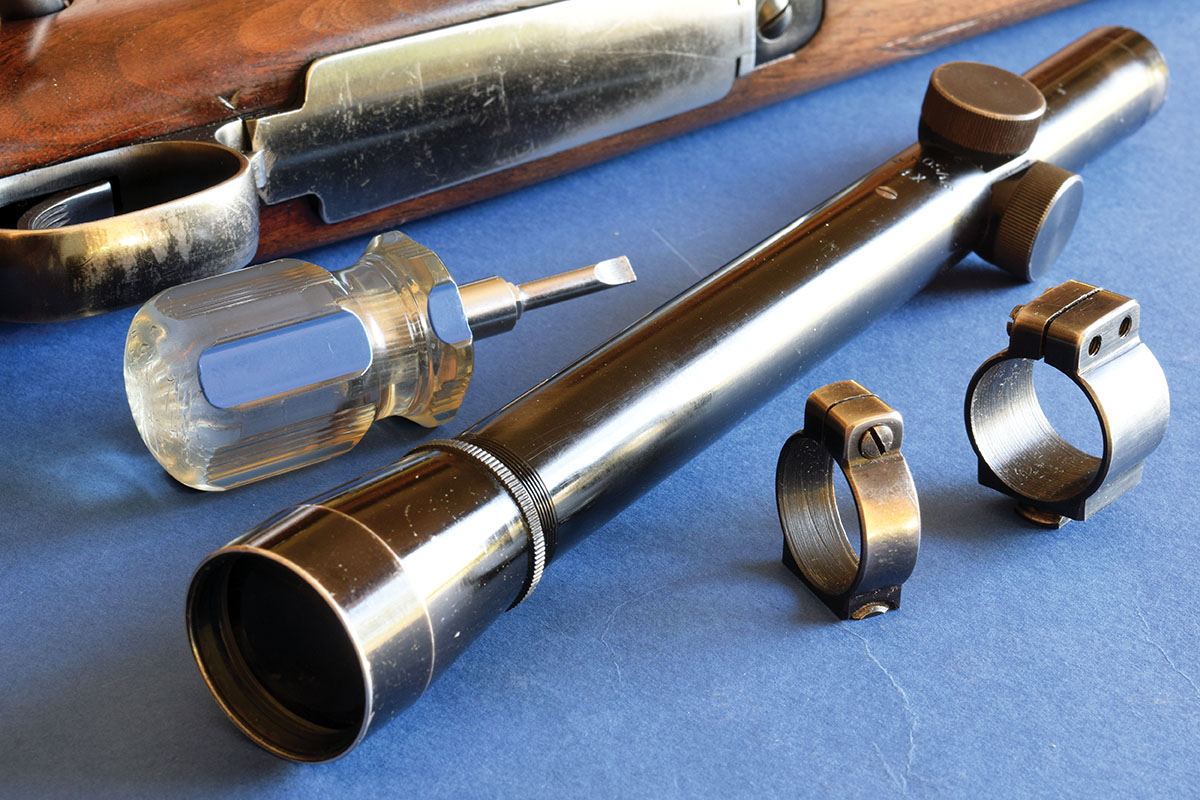
Buying 11,000 scopes was a start,” James Brion told me. “I learned how they were built, how to take them apart, fix them, install new lenses and reticles. I got tooling to fog-proof them.” Then he began selling scopes. Well, not all scopes.
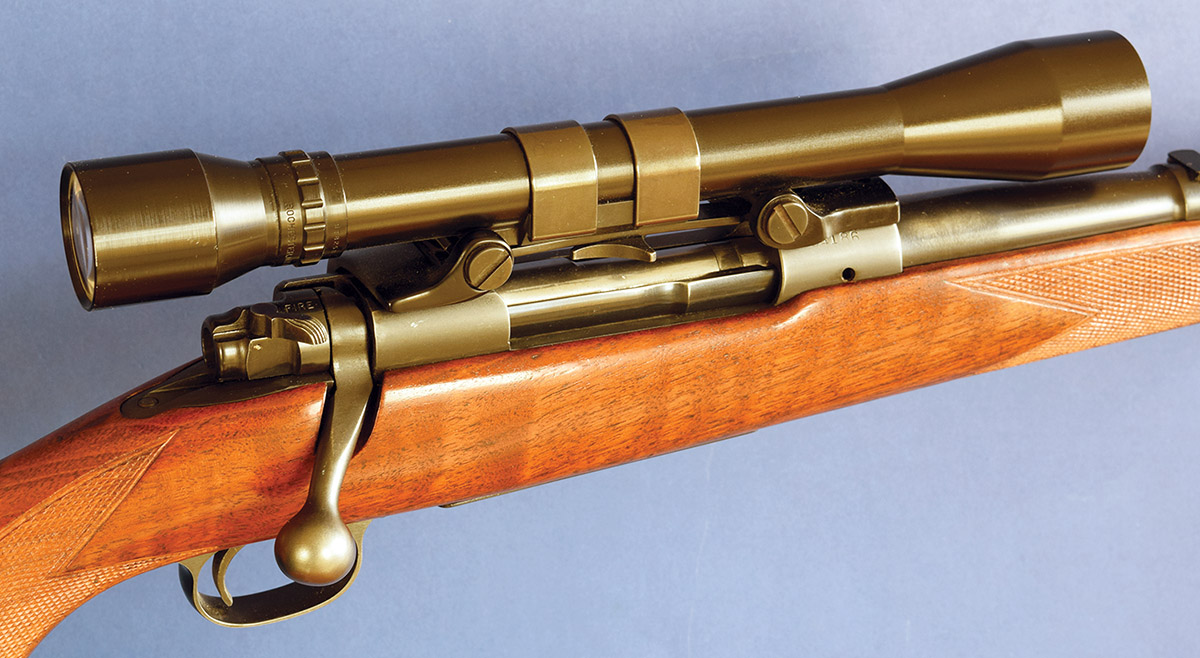
Arguably, the golden age of optical sights began with the Depression, the Dust Bowl and the New Deal. While aiming through glass dates to the 1850s, images from 19th-century scopes were dim, fields of view small, eye relief critical and adjustments unreliable. The weight and length of many scopes tested fragile mounts. By the mid 1920s, the Zeiss/Hensoldt union in Wetzlar, Germany, had an impressive series of short scopes – including 1-4x and 1-6x variables. However, years would pass before Stoeger imported them stateside.
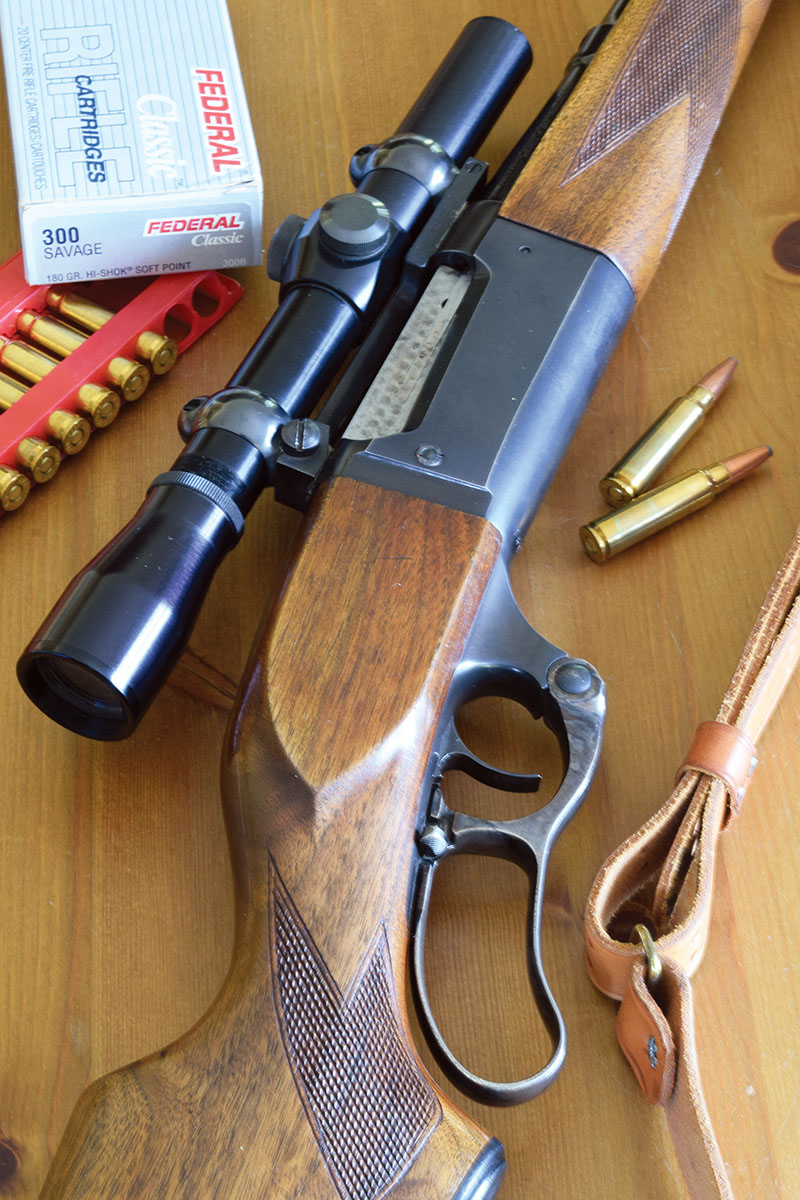
Meanwhile, a Zeiss engineer found that coating scope lenses with magnesium fluoride reduced reflection and refraction, which could bleed 4 percent of incident light from each uncoated surface. That practice was universally adopted after World War II. By then, a crowded field of U.S. scope-makers had thinned. Rudolph Noske’s San Carlos, California, shop was a casualty. Credited with the country’s first internally adjustable hunting scope, Noske was producing four 7⁄8-inch Fieldscopes (2.5x and 4x) by the mid 1930s. But at around $50 in 1939, they cost half again as much as a 2.75x Zeiss Zeilklein, praised by celebrated hunters like Townsend Whelen, Jack O’Connor and Grancel Fitz.
In the early 1930s, recent immigrant John Unertl was working for Pittsburgh scope-maker J.W. Fecker. His talent – and German schooling in optics during World War I – earned him a supervisory post. But John left Fecker in 1936 to start his own company. By the onset of World War II, it was producing 2.5x and 3x hunting scopes, also 3x, 4x and 6x “Gallery” sights. Military contracts helped it gain a footing in post-war commerce. Soon, Unertl 2.5x Falcon, 4x Hawk and 6x Condor scopes were competing with Weaver’s K-series (the K2.5 and K4 of 1947, the K6 of 1950). The Hawk sold for $2 less than Noske’s 4x had in 1939.
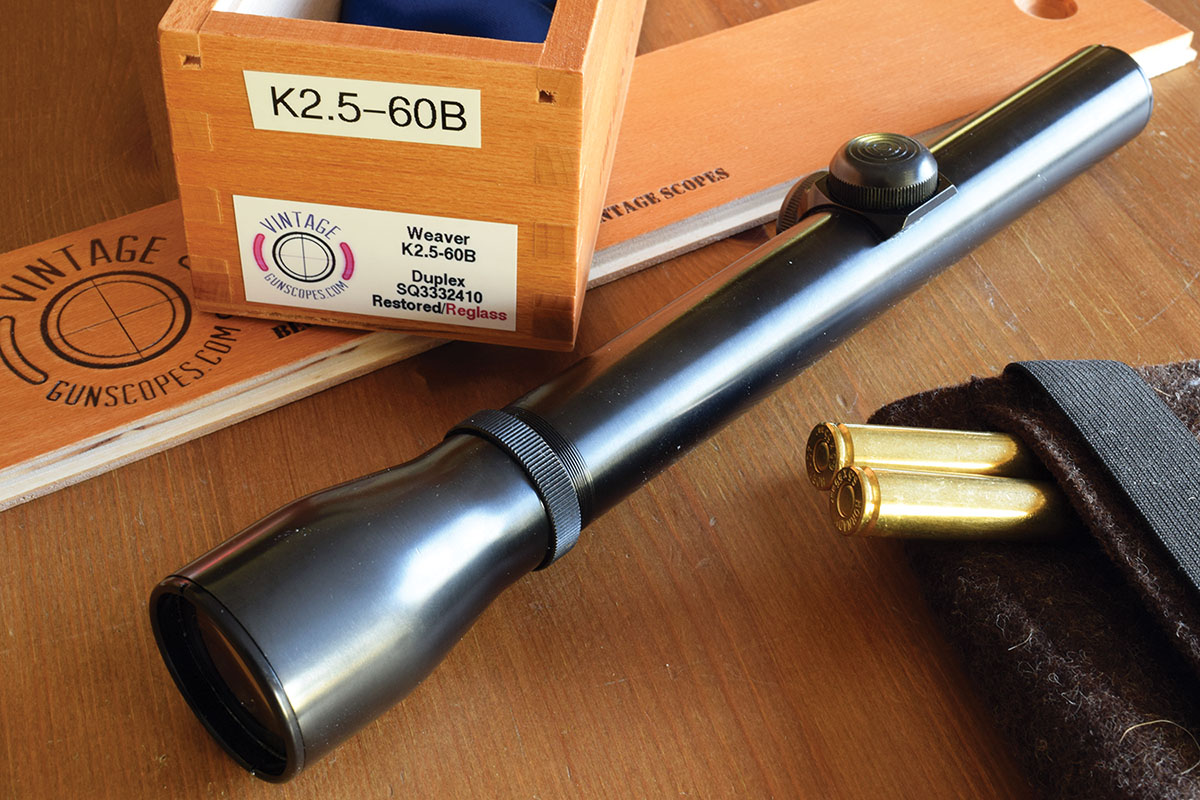
Leupold & Stevens announced its first scope, the 2.5x Plainsman, in 1947. A 7⁄8-inch alloy tube held a weight of under 5 ounces. In 1951, Leupold added a 2.25x Riflescope, plus 2.5x and 4x Pioneers. A 4x Riflescope joined that trio in 1953. A year later, the company had its first 1-inch scope, the 4x Mountaineer. In its wake came the 8x Pioneer, an 8x Westerner and a 6x Mountaineer. By 1960, all Pioneer scopes were gone, and the M7-series 3x and 4x were in their place. The Vari-X 3-9x arrived the next year.
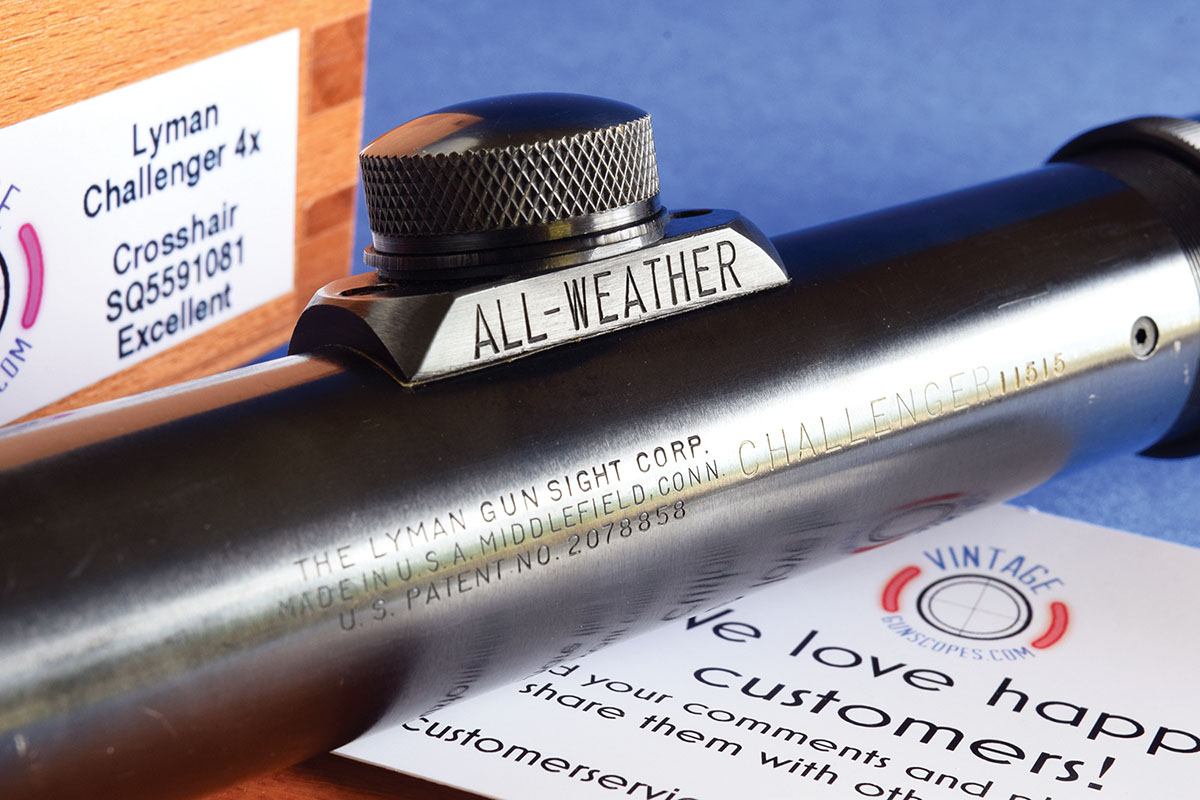
Like Leupold and Redfield, Bausch & Lomb Optical Co. (B&L) of Rochester, New York, came late to rifle scopes. Founded in 1853 to make eyeglasses and scientific instruments, it later added binoculars, rangefinders and telescopes, and then scope lenses for Lyman. In 1945, B&L shed Lyman contracts to design its own scopes. Within five years, it had the 1-inch 2.5x Baltur, 4x Balfor and 2.5-4x Balvar 4. On their heels: the Balsix, Baleight, 2.5-8x Balvar 8 and 6-24x Balvar 24. B&L produced the required adjustable mounts.
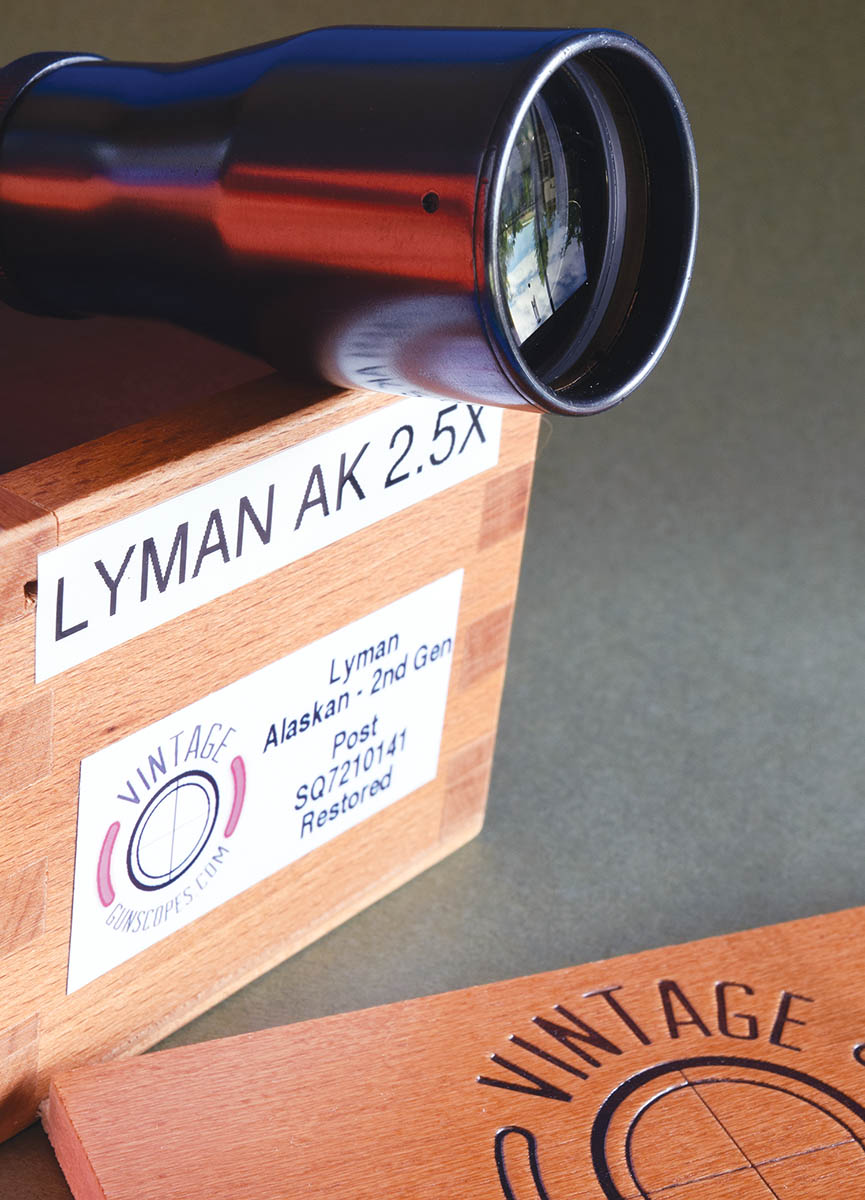
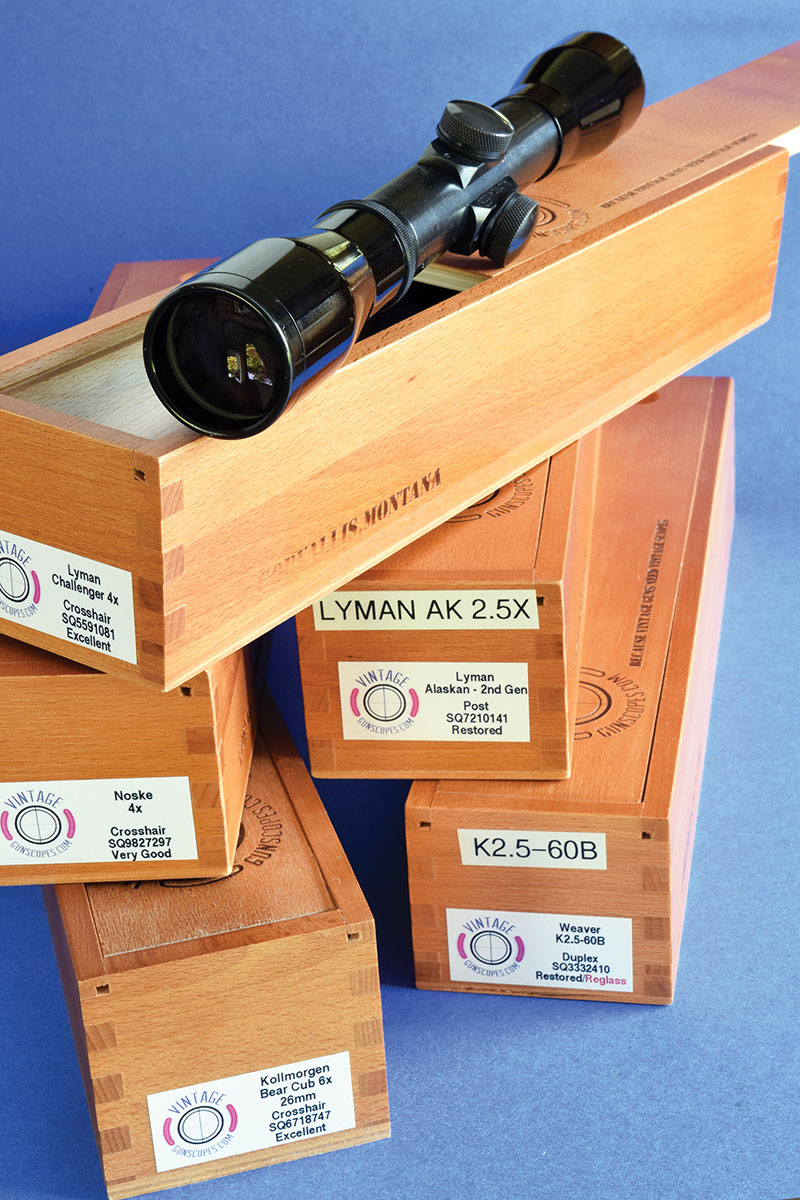
Vintage Gun Scopes is not a second-hand scope shop. In fact, James Brion insists, “We’ve never sold a used scope. All are refurbished, re-glassed, or restored.” At VGS, those descriptors identify distinct treatments. Refurbishing includes thorough cleaning, removal of old, hard grease and then re-lubing. “We use a collimator to zero out parallax as much as the optic’s design allows, then nitrogen-purge the tube and re-seal it. In sum, we bring the scope as close as possible to the original specs. We grade it for appearance too, so a customer can match it, cosmetically, to his or her rifle.” Refurbished scopes, he added, sell best, as they’re least expensive but perform with scopes in our other categories. Each VGS scope is shipped in a wooden box with an embossed sliding cover.
Re-glassed scopes are those refurbished by VGS and given modern coated lenses. (Availability of specific glass can affect which scope models join this category.) Re-glassing revives sights whose original lenses have been compromised by wear, weather and age, which impair light transmission and resolution.
Restored scopes match as-new originals in every noticeable detail – optically, mechanically and cosmetically. Upgraded lenses can make them perform better than new. VGS-restored Weaver K2.5 and Lyman Alaskan scopes look to me exactly like wear-free 1950s-era originals, with superior resolution.
Weavers still account for most of the VGS business in hunting optics, with Redfield and Leupold next. But the company’s website lists many scopes now scarce – and vintage mounts and rings.
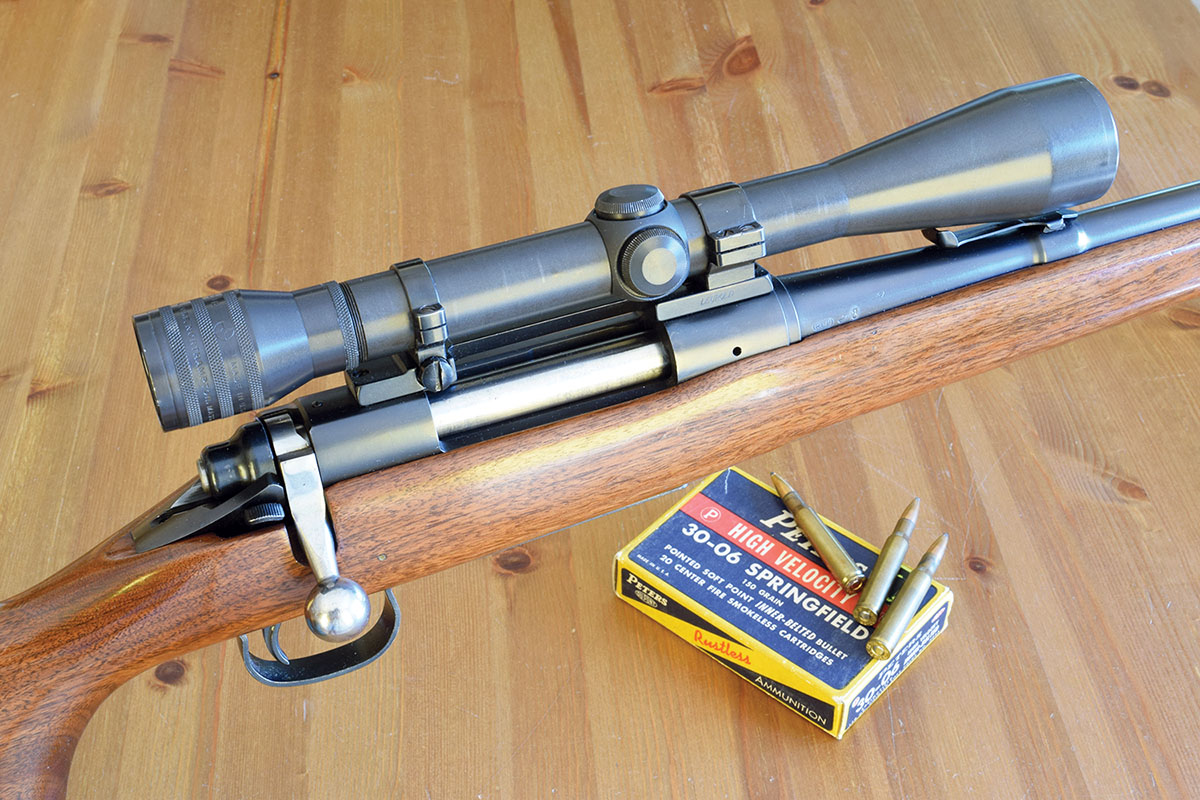
Kollmorgens also impress Brion. “They were decades ahead of their time.” In the target/varmint category, he favors Unertls, calling the 1956 Ultra Varmint scope “an engineering feat.”
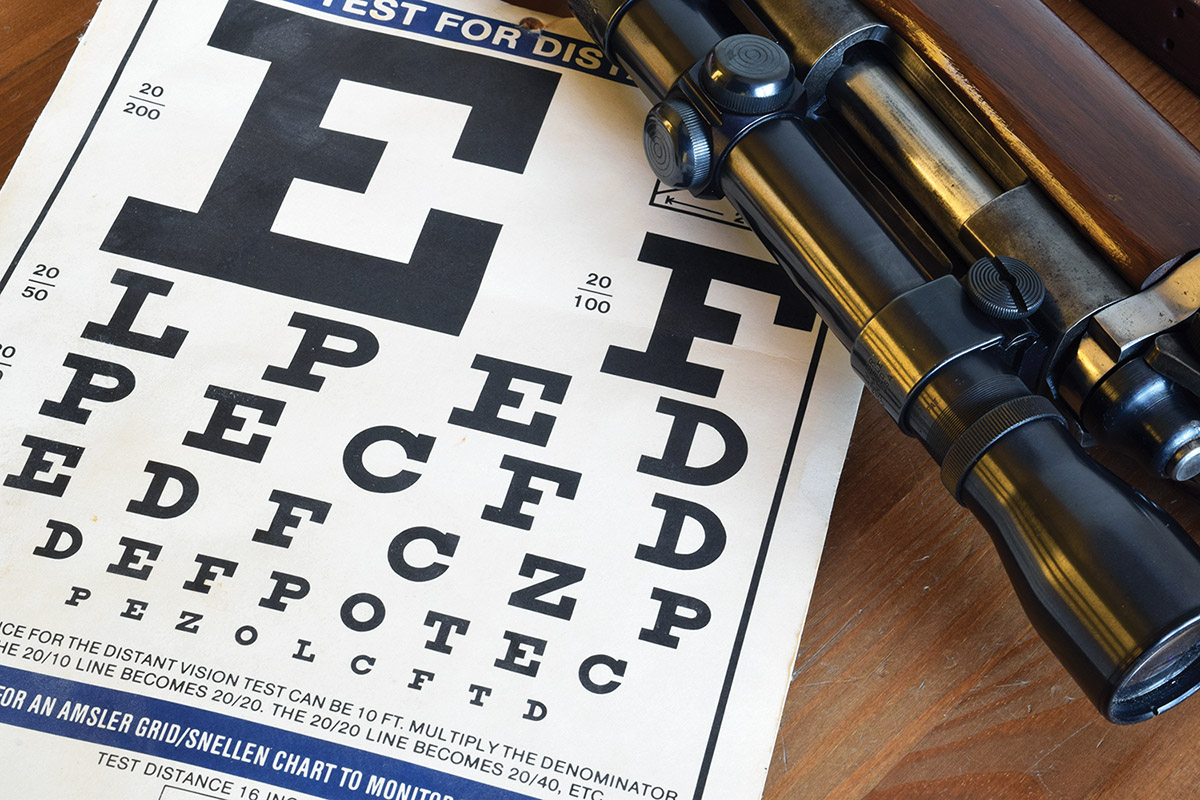
How do old scopes compare with new, optically? Without instruments to measure resolution and brightness, I turned to a traditional vision-test chart. Tacking it to my garden shed 35 yards from my deck, I rested the scopes and scoped rifles on a padded railing to view the six lines of size-specific alphabetical letters. The first was easy to distinguish with my unaided eye. The sixth line was indistinct through the glass up to 6x. My modern “control” scope was a new Swarovski 2-10x42 Z5+, whose superb
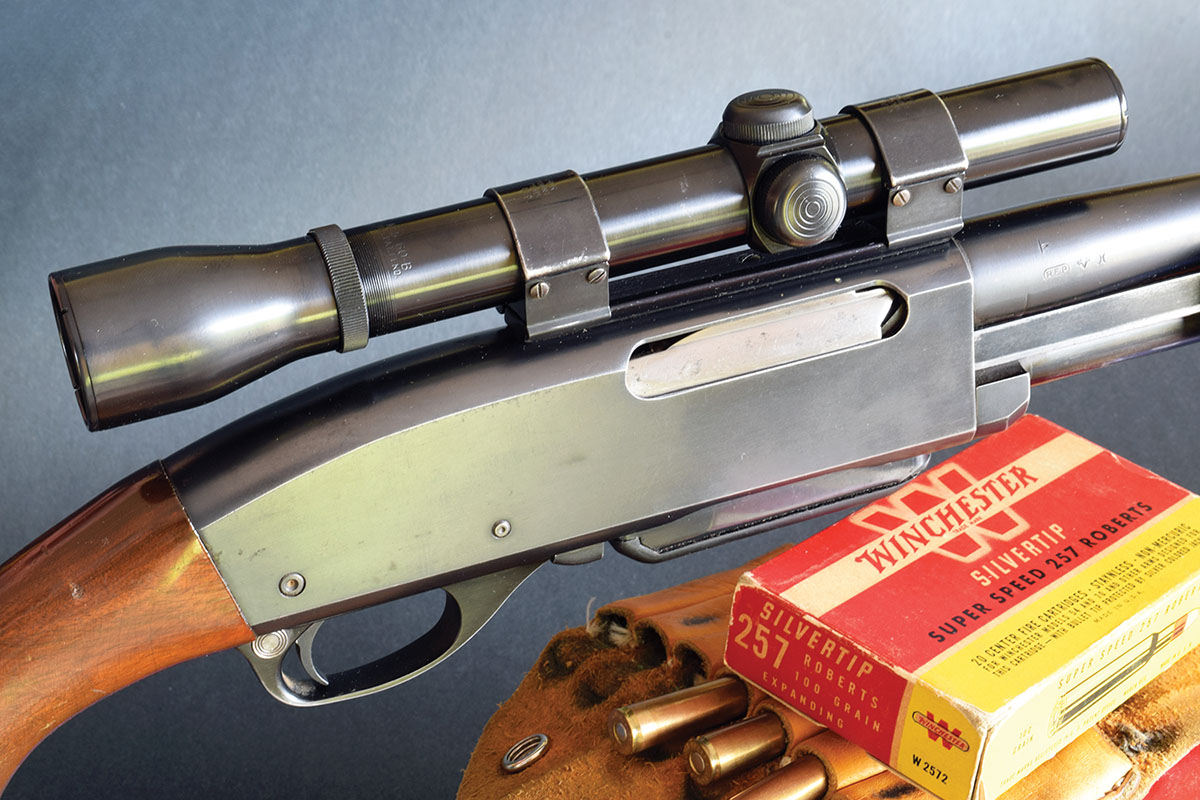
I ran these admittedly primitive trials on the west-facing chart after a July sunset, the first at 8:35 p.m. To my surprise, the image from a VGS-restored Lyman Alaskan all but matched that from the Z5+ at 2.5x in brightness and resolution. Were early lenses that good? I fetched an original, untouched Alaskan and found they were not. Its images were poor, the Swarovski trumping it by two letter sizes. A restored Weaver K2.5 performed much better than an old K2.5, if not to the level of the Swarovski.

“The best new scopes are optical and mechanical marvels,” concedes James Brion. Sophisticated too. To legions of rifle enthusiasts who recall $50 scopes and 22-cent gasoline – and younger cohorts sweet on classic hunting arms – vintage sights belong on vintage rifles. VGS does what it can to support that view, and the red-plaid ranks are cheering!