

Fouling Shots
Assassins, Revolvers and Bicycles
column By: Art Merrill | March, 26
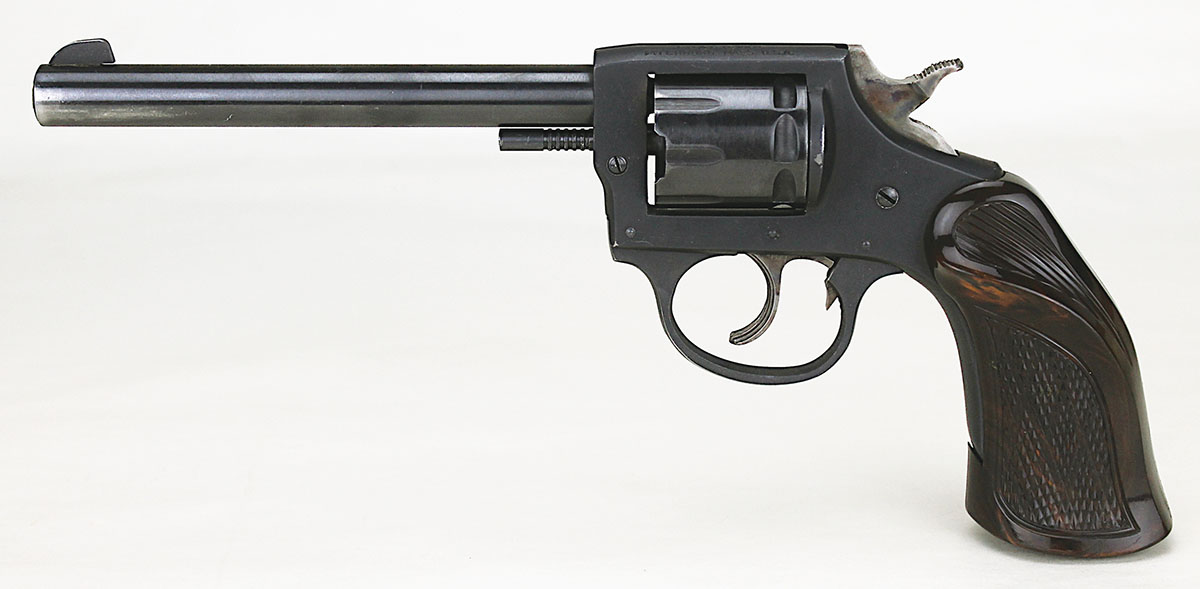
Did you know assassins used Iver Johnson Arms & Cycle Works revolvers in three separate murders of American politicos? In 1901, Leon Czolgosz killed President William McKinley with an Iver Johnson 32 caliber Safety Automatic revolver. In 1933, Guiseppe Zangara missed his shots at president-elect Franklin Roosevelt and killed the mayor of Chicago instead using a 32 caliber revolver made by Iver Johnson’s subsidiary, United States Revolver Company. Then, in 1968, Sirhan Sirhan murdered presidential candidate Robert Kennedy with a 22 Long Rifle Iver Johnson Cadet Model 55S revolver. How’s that for a bit of dubious fame?
The Cadet Model 55S used by Sirhan Sirhan was Iver Johnson’s Target Model 55 with a 21⁄2-inch barrel. Iver Johnson introduced its Target Model 55, perhaps not entirely coincidentally, in 1955 and continued manufacturing it until about 1960. The Target Model 55A became available in 1961 and ceased product-ion in 1978; from 1974 until being discontinued, it was also known as the Iver Johnson Sportsman. The only difference between Iver Johnson’s Model 55 and 55A is the latter’s loading gate on the right-hand side.
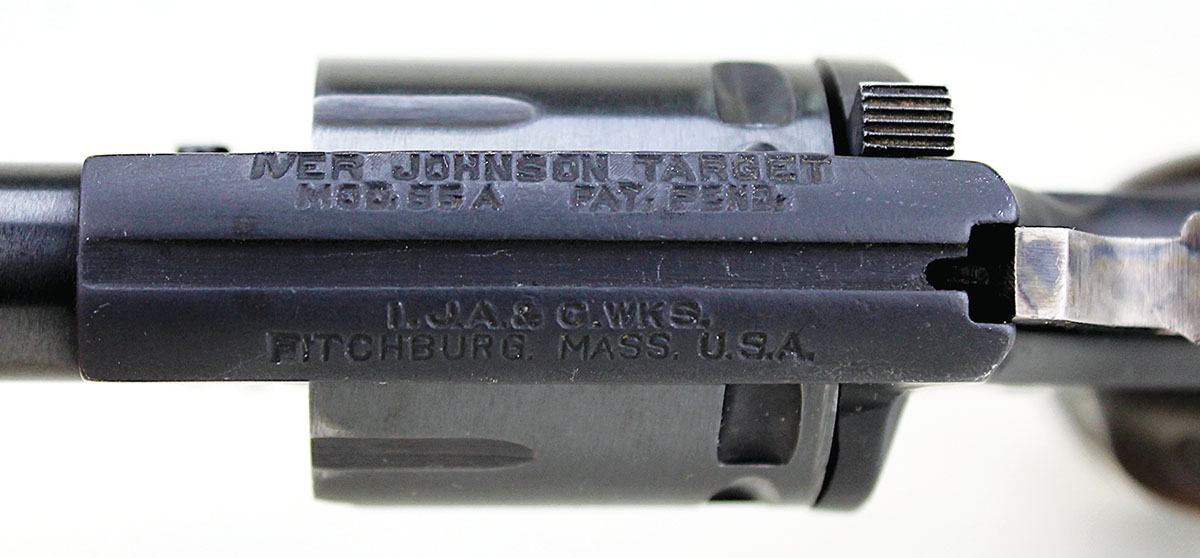
Barrel, cylinder and trigger guard wear a bright blue finish, but the frame is matte blue to eliminate glare from the fixed rear sight, with a simple groove cut into the top strap. Hammer spur and trigger face are serrated, and both are color case hardened. An exposed sear is something you don’t see every day. That tiny lever seen behind the trigger is the sear; pressing the trigger pushes the back of the trigger against it to release the hammer.
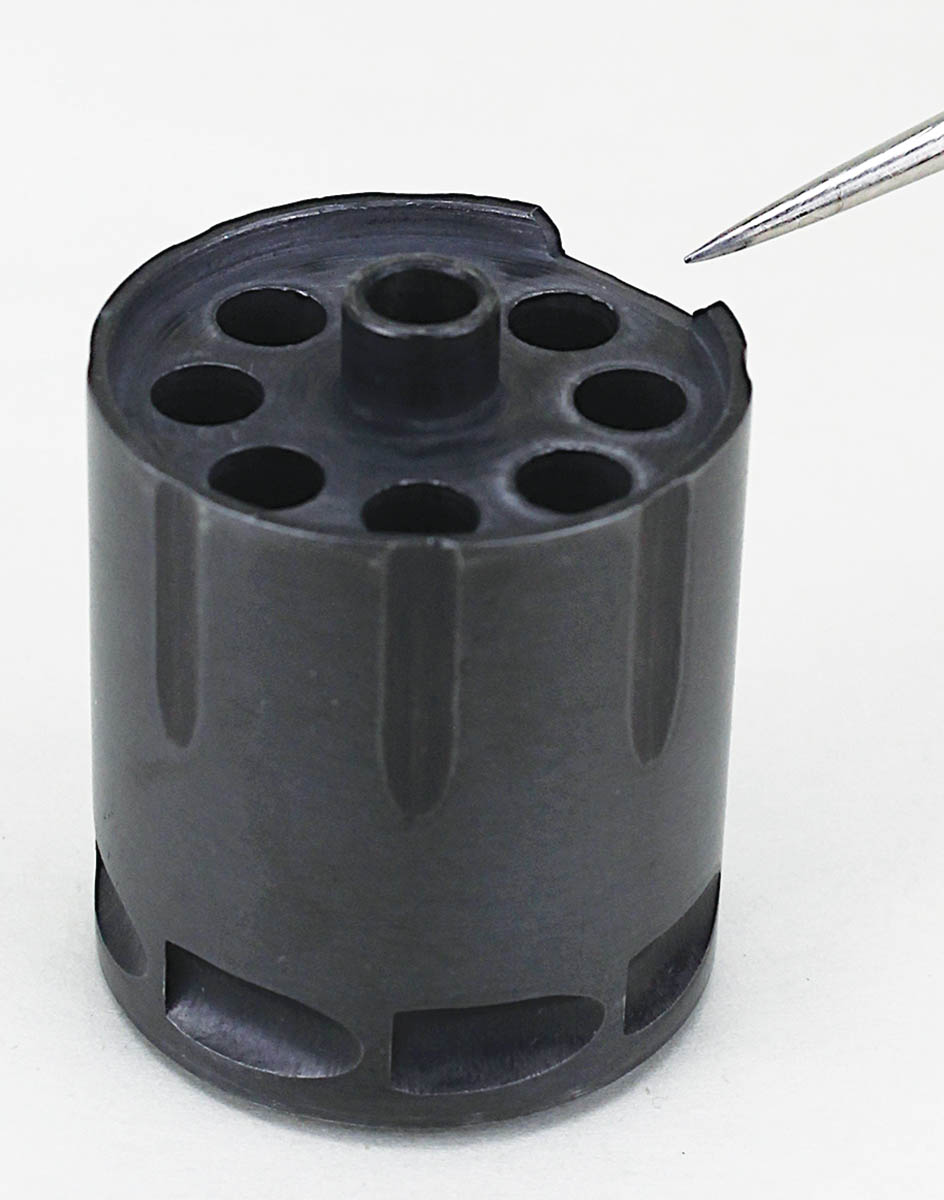
The Target Model 55A’s eight chambers are recessed so that 22 rimfire cartridge rims lie flush with the cylinder. There is no transfer bar or firing pin; the cartridge rims are struck directly by the hammer nose. (In a bit of slick era marketing argot, Iver Johnson referred to its transfer bar safety system found on some of its other revolvers as the “Hammer the Hammer” action.)
As you know, Iver Johnson’s revolvers never exuded the charisma of Colt or Smith & Wesson handguns. Maybe because the company name, “Iver Johnson Arms & Cycle Works,” implied a preoccupation with making bicycles, or perhaps because Iver Johnson guns undersold the others and so were assumed “cheap,” or because most old Iver Johnson revolvers we see seem to be the weaker top-break models with peeling nickel plating. Yet Iver Johnson did turn out functional, if pedestrian, revolvers. The Target Model 55A is one of them, but its one-piece “Tenite” plastic grip does lend an air of cheapness despite its (right-handed) thumb ledge that claims, “I’m a real target revolver!”
Iver Johnson’s Target Model 55A, however, is a target revolver only insofar as “target” means “plinking,” because real target revolvers have adjustable rear sights. Firearm and ammunition companies today still employ that “target” euphemism in their marketing language and on their packaging because, I suppose, “plinking” doesn’t sound serious enough to warrant the price tag. Or perhaps as a precision competition shooter, I may have a snobbish higher expectation from anything claiming to be “target” quality.
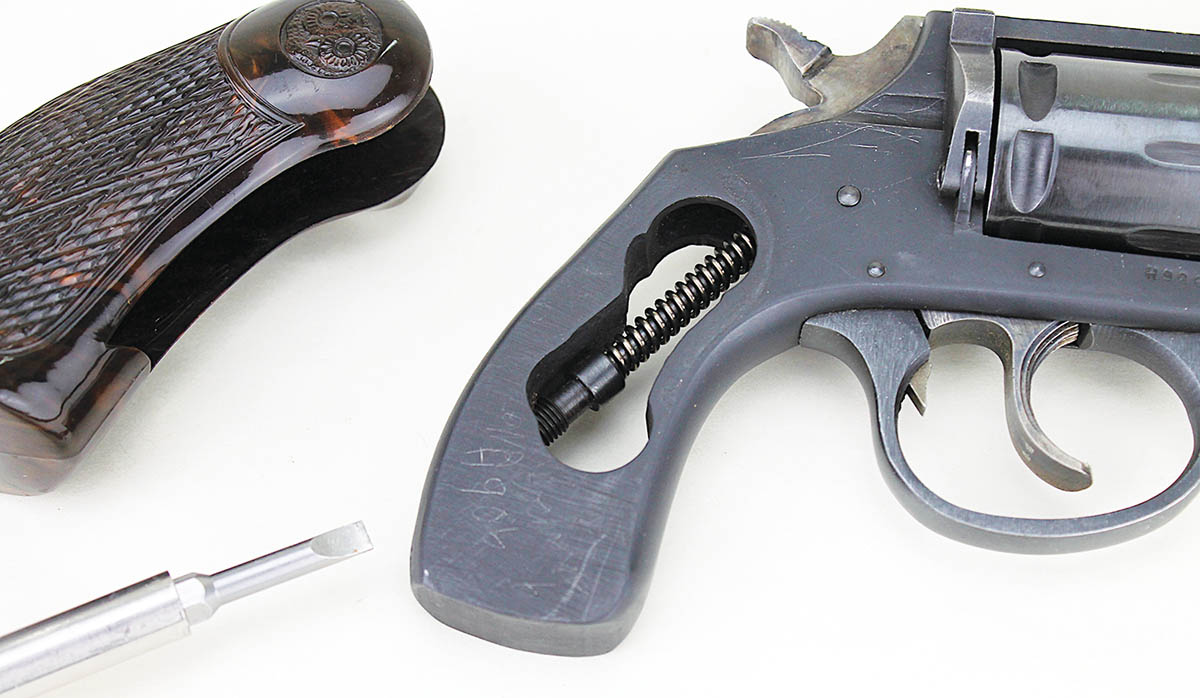
Because the hammer is case hardened, I was at first reluctant to attempt straightening the thin nose for fear of snapping it off, but an online search of the usual parts houses turned up no replacement hammers. Now committed to actual work work, careful employment of a ball peen hammer, punch and file happily straightened the nose and flattened the proud portion without having to resort to heating and quenching, which is not my forte. George’s Target Model 55A now goes “bang” every time again, and its long service life continues onward, which I expect will become the responsibility of his young grandson when Little George is old enough for it and which I reckon is ultimately the reason George brought the old revolver to me.
My 1956 Gun Digest listed on page 201 the Iver Johnson Target Model 55A for $26.10. The facing page listed the comparable Great Western Six Shooter in 22 Long Rifle for $75 and the Ruger Single Six for $63.25, illustrating my previous remark about the bargain price of Iver Johnson firearms in general. The Target Model 55A does not excite collector interest, fetching about $75 to $200 depending on condition. Surviving Iver Johnson bicycles, however, are very rare and highly collectible among cognoscenti of the bike; there’s a lesson in there somewhere, but I’m not sure what it is. If you’re suffering some nostalgia for a Target Model 55A in your past or if you just want a classic, no-frills plinker (an ejector rod being a frill, in this case), the cost may be worth it.
Iver Johnson’s Arms & Cycle works enjoyed a long run, from 1891 to 1993. Squires Bingham International acquired the Iver Johnson name in 2006, and today, its subsidiary, Iver Johnson Arms Inc. in Florida, imports and sells firearms, particularly eye-catching Model 1911s, but not bicycles.