

Straight-Pull Rifles
From Mannlicher to Savage
feature By: Terry Wieland | December, 26
When Savage unveiled its Impulse straight-pull bolt-action rifle six years ago, it was greeted in some quarters as a world-changing innovation long overdue – and why didn’t someone do it sooner?
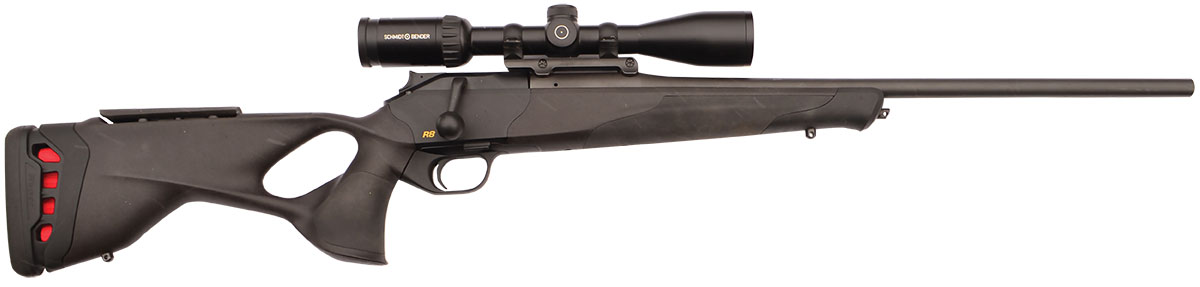
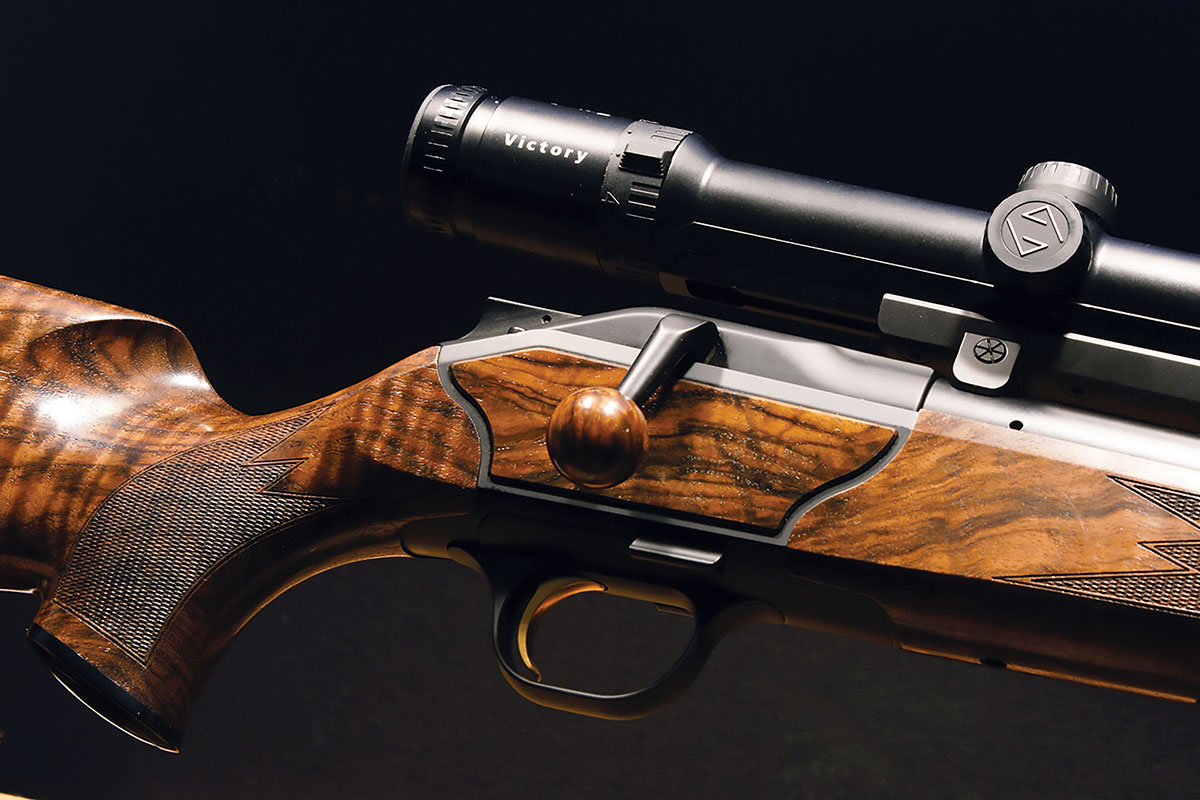
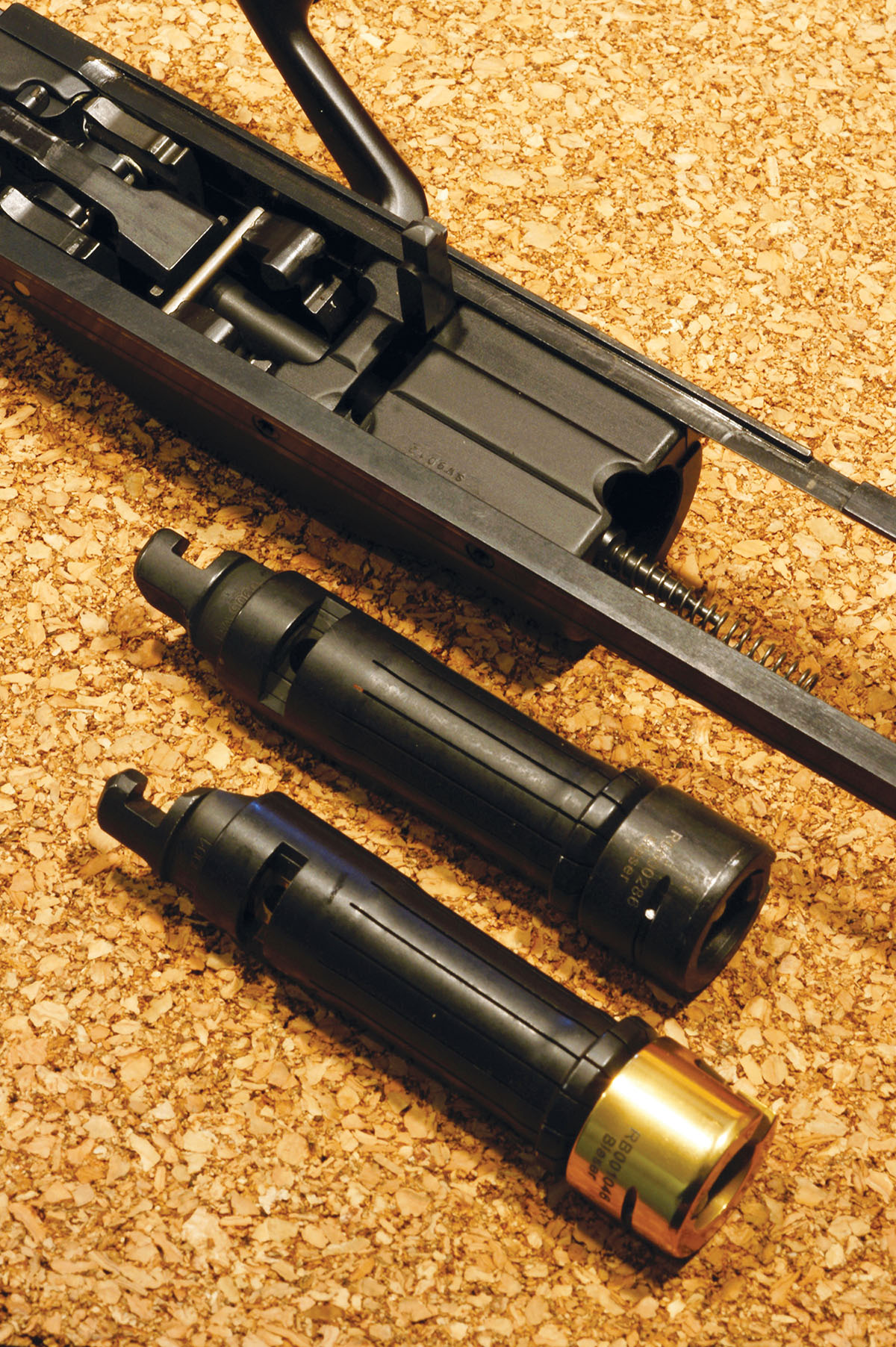
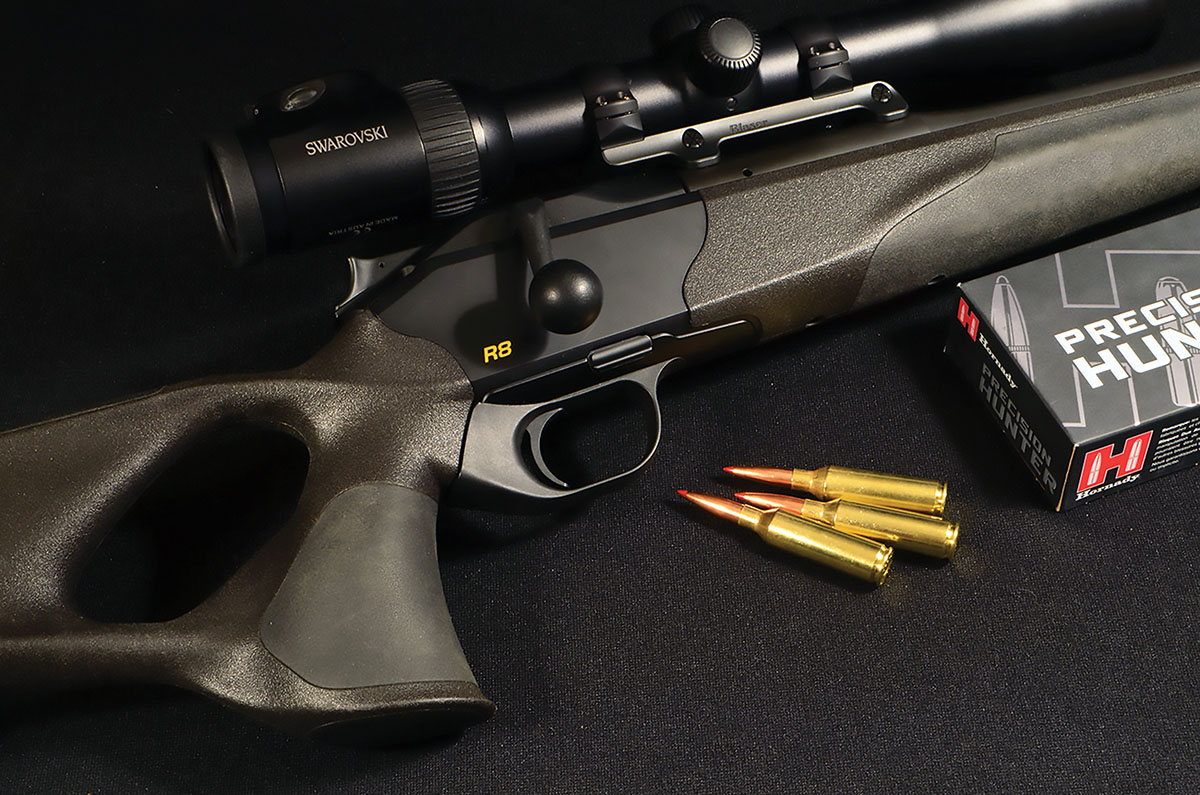
In a way, this is comparing apples and oranges because the R8, for example, offers much more than just a bolt that travels straight back and forth. You can have an R8 in any number of different calibers, with interchangeable barrels, bolt heads, magazines and even a variety of stocks. All of this allows you to mix and match until you’re ready for the madhouse.
Such versatility is not an option with the Impulse. What you do get, however, is Savage’s notable accuracy, its Accu-Trigger and an ambidextrous option, all at a price any of us can afford. If you need two rifles, buy two, and you’re still spending less than you would for an R8 in one caliber.
The essential of any of these, of course, is the straight-pull bolt, which offers, first and foremost, speed of operation. Ejecting and reloading requires two motions rather than the four of a conventional turnbolt, and this is what rifle designers had been seeking since the first attempts appeared on the market more than 140 years ago. Primarily, the goal was to design a military rifle that would give fewer troops greater firepower.
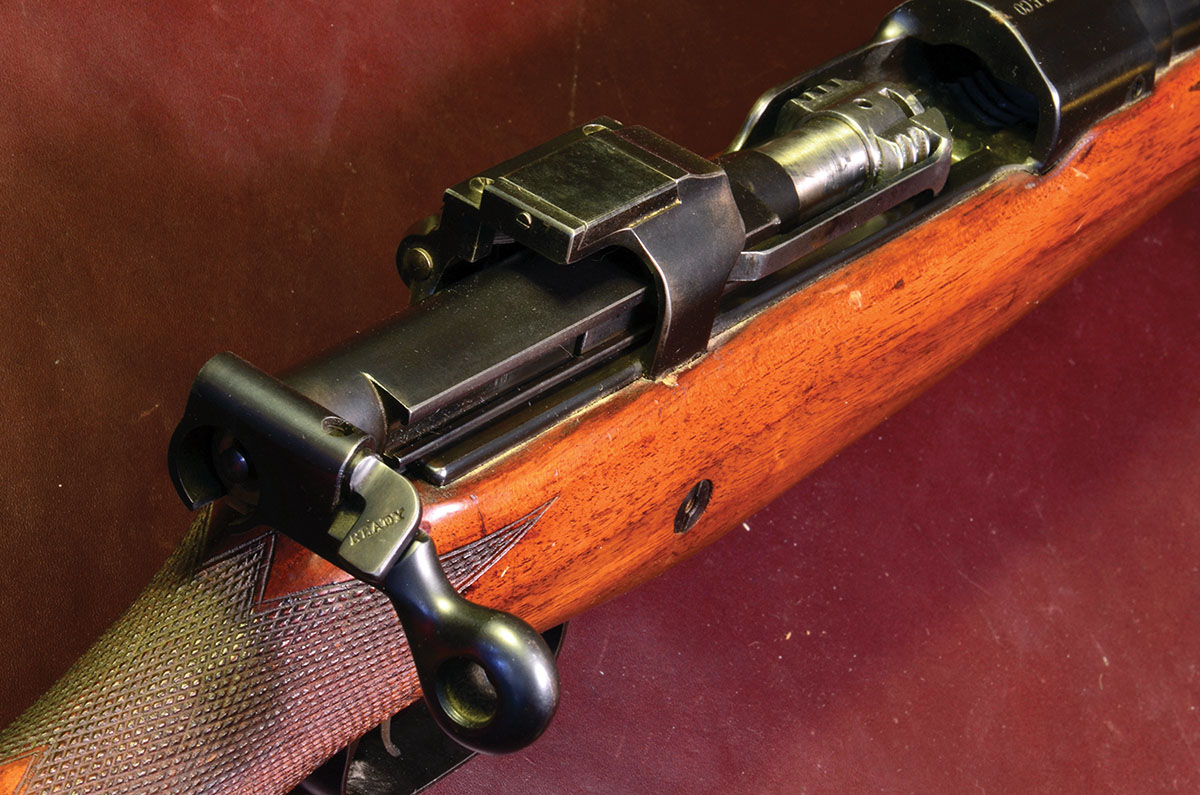
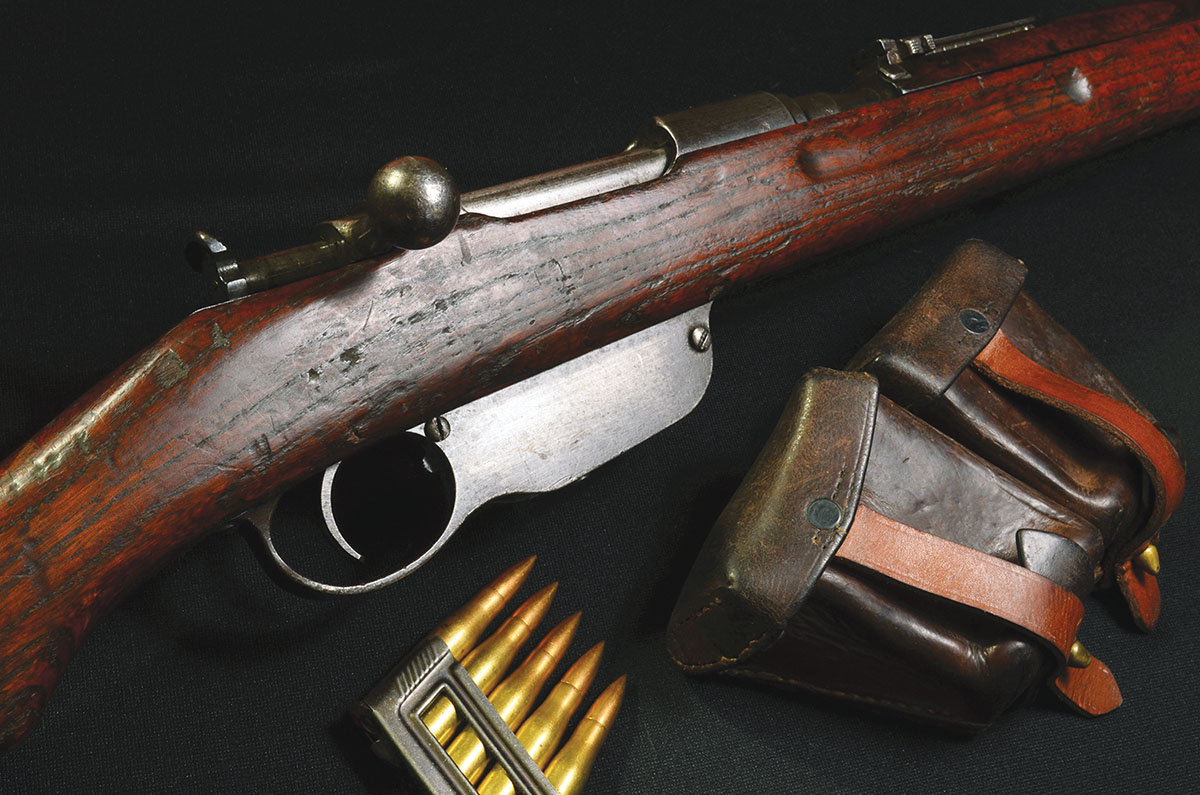
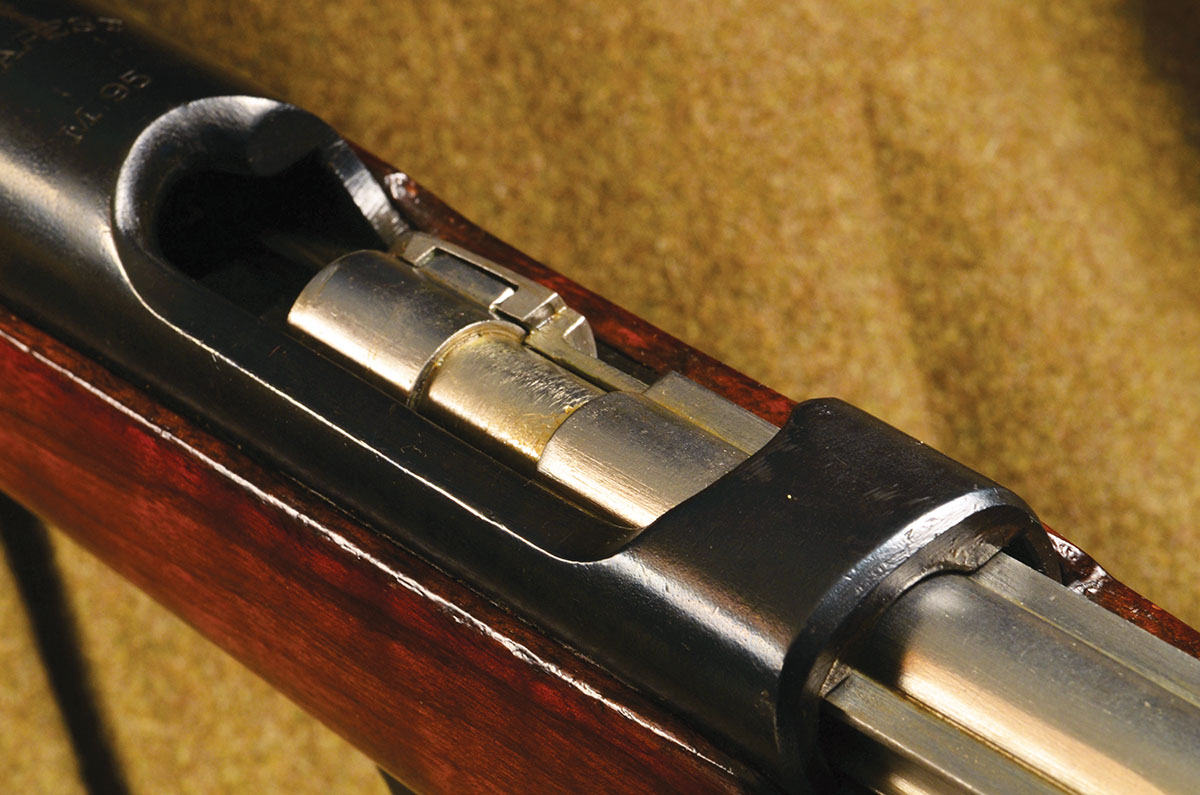
It is not as well known in the English-speaking world as it should be because the Austro-Hungarian army was engaged mainly on the Eastern Front against the Russians, and in much smaller numbers in the Alps against the Italians. Tens of thousands of M95s were surrendered to the Italians in 1918, and they used them in the next war. Similarly, Russia captured so many that it was worth building a new ammunition factory to supply them, and they remained in use for years. The Hungarian army, formed on the dissolution of the empire, rebuilt its M95S to accept the new 8x56 Hungarian, and kept them in service until 1945.
When we think of Great War rifles, we think Mauser, Lee-Enfield and Springfield, with occasional glances at
Manufactured in both rifle and carbine form, the M95 was the first production rifle to use stainless steel in its bolt. It was
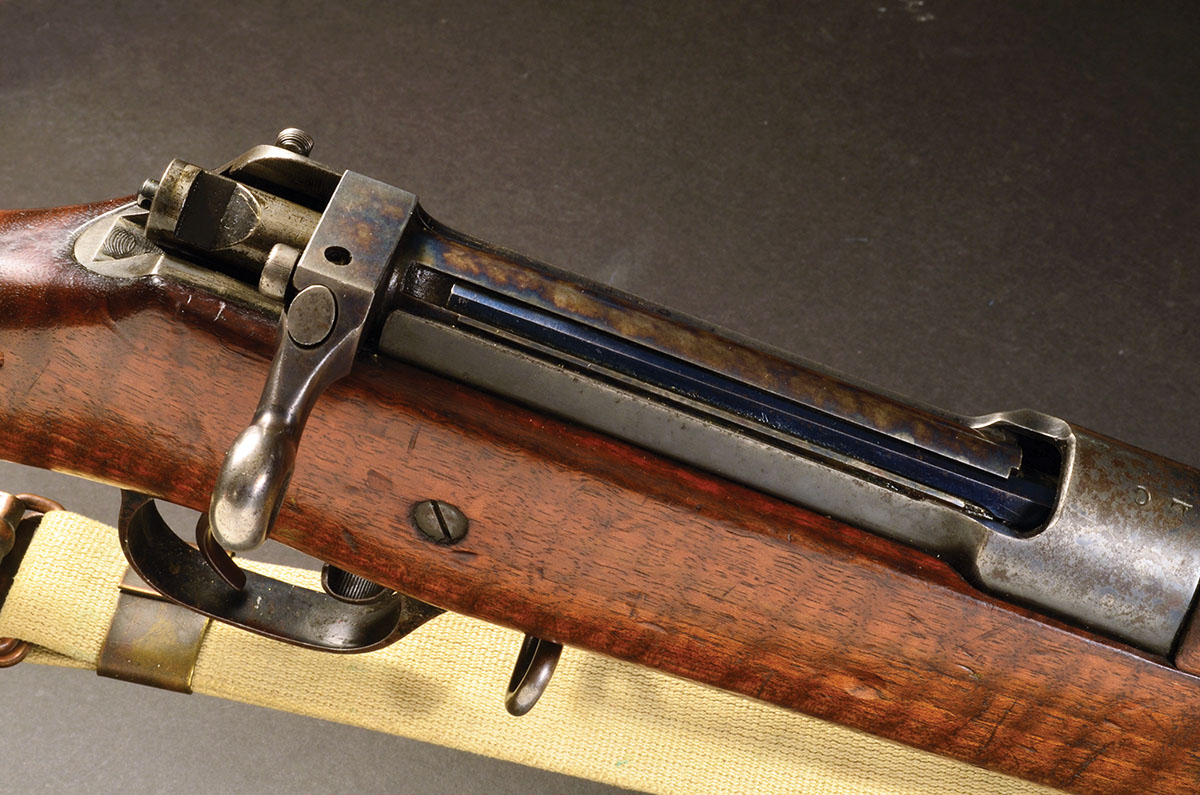
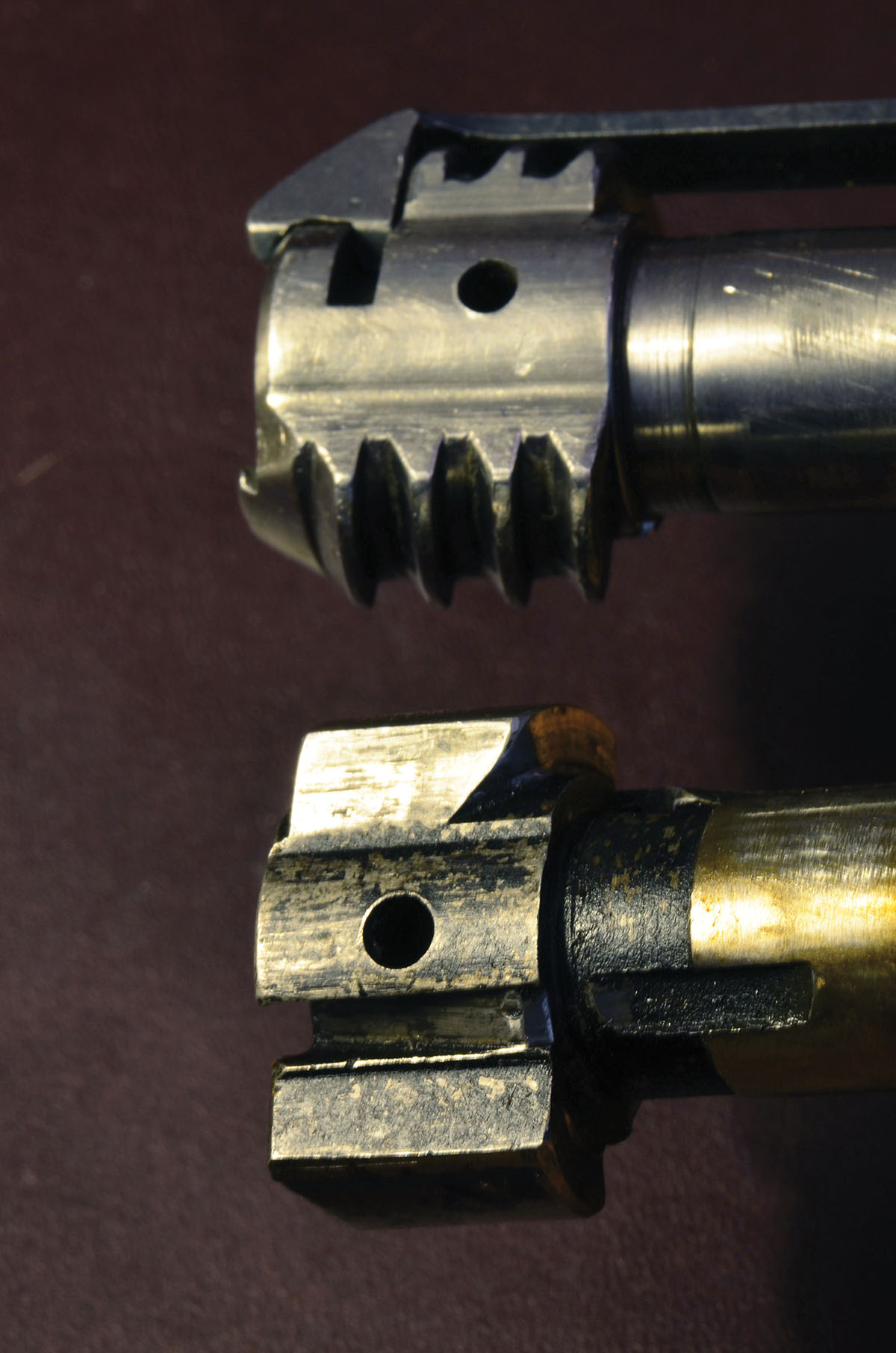
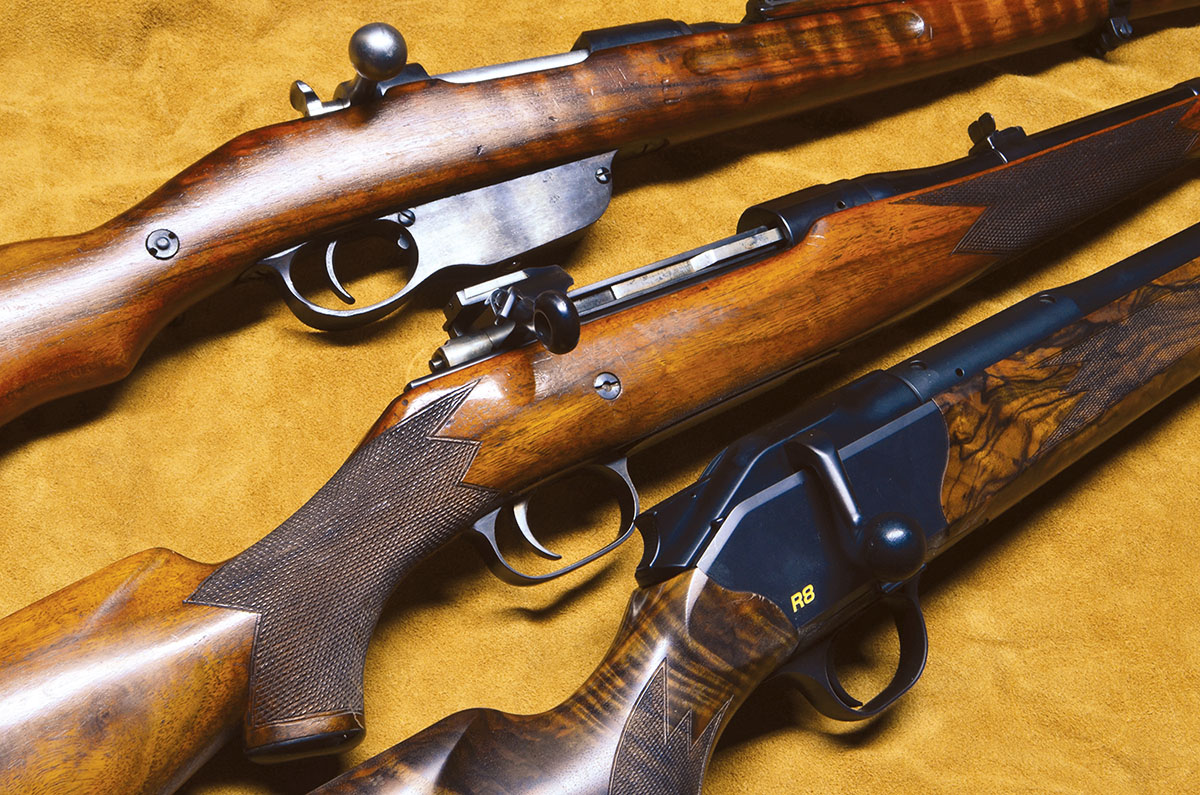
Von Mannlicher was greatly admired by Sir Charles Ross, who fancied himself a rifle designer and came up with a series of straight-pull rifles for military, target and hunting use between 1905 and 1917. The Ross owed a great deal to the M95, although there was no patent infringement. Both employed an outer sleeve with inner rails and grooves to turn and lock the bolt head into place. The M95 was not as accurate as the Ross, which set records, but it was considerably simpler and easier to maintain, and vastly quicker to reload.
While the M95 stayed cheerfully in service in the extremely demanding conditions of the Eastern Front (trenches, mud, snow, dust) and the Alps (snow, ice, extreme cold), the Ross suffered teething problems in Flanders with the Canadian Army.
It was withdrawn from service in 1916 and replaced by the Lee-Enfield.
Reams of paper and barrels of ink have been consumed debating Ross’s vices and virtues. The main fault was that it
At this point, we should mention the Browning T-Bolt, which was a straight-pull rimfire rifle introduced in 1965. It was a sweet little rifle, but it had some problems. Exactly why it never caught on, I can’t say, although I suspect price had a lot to do with it. At $97.50 retail in 1974, it was at a disadvantage against competitors from Winchester and Remington, which sold for less than $60. The original T-bolt was discontinued in 1975, but reintroduced in a heavily reworked form in 2006 and is in the lineup to this day.
And that brings us to the modern era and the ultra-versatile, ultra-luxury, ultra-bucks straight-pull rifles from Europe.
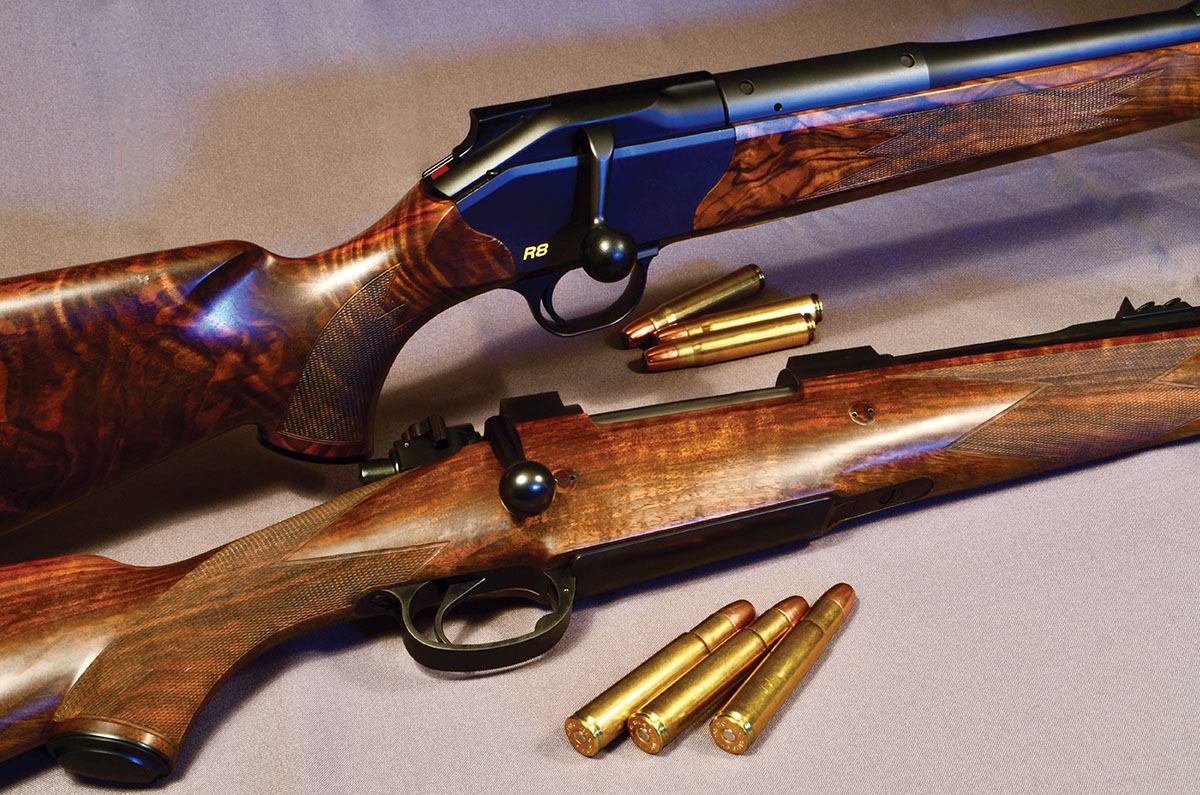
The one with which I have the most experience is the Blaser R8 (2008), which has steadily expanded in models, features and calibers over the past 18 years. It’s not cheap: The least expensive starts at about $4,500, and from there the sky is (almost) the limit.
While I admired the workmanship and engineering, I couldn’t reconcile it with my notion that a rifle should be a self-contained implement suitable for whacking marauders and defending the house, kept standing up, loaded and ready, behind the door. The mix-and-match approach just did not do it for me.
When I got my first R8 the year it came out, it arrived in a one-gun takedown case. Since then, I have added barrels in various calibers, including bolt heads and magazines. They don’t all travel together, but the rifle remains assembled and ready to go, currently as a 270 Winchester.
Straight-pull rifles lend themselves to interchangeable calibers and, because of the way they lock up, converting from right-hand to left-hand operation.
Unlike the M95 and the Ross, both of which use sleeves and rails to turn the locking lugs into position, the R8 has a collet system and its lugs open up like petals of a flower from inside the bolt head. As the bolt face makes contact with the chamber, it pushes the petals open. Increased pressure on the bolt face, as from a gas leak, simply locks them even tighter.
The Merkel RX-Helix, while externally resembling the R8 to a degree, uses a carrier that turns the locking lugs into place. I had a Merkel briefly, for T&E, and its claim to be the fastest straight pull on the market may well be true if you can compare speed measured in nanoseconds. The one place I can think of where such speed makes a difference is driven-boar shooting, which is popular throughout Europe.
The Merkel’s major difference is that the entire mechanism is contained and operated within the action housing the bolt does not protrude to the rear as it’s worked which, if nothing else, imparts a sense of safety. Nothing is going to break and become airborne.
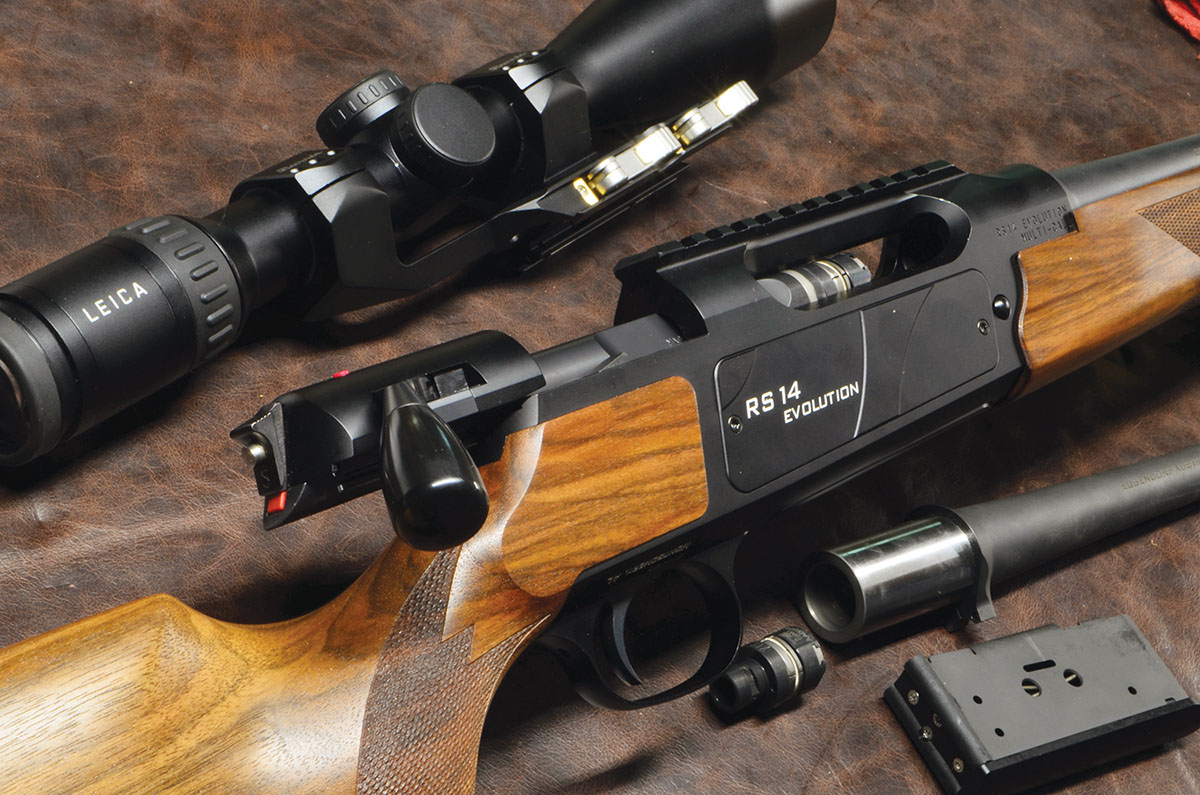
More recently, I had a chance to play with the Strasser RS 14 Evolution. Its locking lugs work in more or less the same manner as the Blaser R8, opening out from inside. The Savage Impulse employs the same principle, but with a ring of ball bearings in the head of the bolt that push out into recesses.
Not being an engineer, I don’t feel qualified to judge the modern straight-pulls on the basis of engineering. I’ll simply concede they are all brilliant, they all work and let it go at that. The one thing I would say, however, is that all are exceedingly complex, with many fiddly bits and pieces. If you lose one, you are up the creek. Some are easier to take down for cleaning than others, with the Merkel being the most difficult.
One thing I can say, without fear of contradiction, is that none would make a good, or even a decent, military rifle. I can’t think of one of them that could stand up to mud, snow, dust, extreme cold and hard use, although truth to tell I have not subjected any of them to a torture test like that.
One old bugbear that would not be much of an issue is rust, since all of them make great use of synthetics, alloys and stainless steel.
Leaving aside the question of ammunition, of them all, if the balloon went up and I had to head for the hills, the one I would grab would be the ancient M95. It has every qualification for a military rifle, even 130 years after it was born.
All of the models that boast instant interchangeability, “many rifles in one,” and so on, suggest one could head for Africa to hunt everything from dik-diks to pachyderms, taking only one basic rifle. Personally, I would never do that unless there was some unforeseen reason to do so (such as the manufacturer unlikely paying the freight) simply because if you lose one tiny part, or an essential and unique tool, instead of many rifles, you have none.
Any dangerous-game rifle I ever hold in my hands, with a wounded buffalo in the brush and unsettling noises emanating therefrom, will be a self-contained, ultra-reliable, tried, tested and many-times proven bolt action or English double.
For everything else, an R8 would do just fine, thank you.