
Primary Weapons Systems MK114 MOD 2-M
A Softer, Gentler AR-15 in 6mm ARC
feature By: Patrick Meitin | September, 26
Boise, Idaho, headquartered Primary Weapons Systems, Inc. (PWS) entered the firearms arena by producing muzzle devices, a.k.a. compensators. The company’s unique design offers low maintenance across a wide variety of semiautomatic firearms platforms. With that low-maintenance mindset, PWS then ventured into designing the company’s long-stroke AR piston system. PWS remained true to AR-15 form and function, but introduced an operating system that requires less maintenance following high-volume shooting or adverse conditions, particularly with a suppressor installed. PWS has evolved as a highly respected manufacturer of tactical and sporting rifles and accessories.
All PWS parts are manufactured on state-of-the-art CNC machines, while any components not produced by PWS are sourced from leaders in their respective areas. The results are top-quality firearms that are ultrareliable. PWS is owned and staffed by serious shooters from the company’s skilled machinists, assemblers and quality control personnel, as well as their office staff. These employees strive to create the highest-quality products in their class and provide unequaled customer service, all while maintaining competitive pricing.
Attending the annual Las Vegas SHOT Show, it is easy to develop AR fatigue. It seems every machine shop around produces AR parts these days, if not entire firearms. All claim to be the best and most unique in the business. To be completely honest, PWS grabbed my attention due only to their Idaho origins, located just five hours down the road from our northern Idaho home. I dropped in to chat with some fellow Idahoans.
I’d been dimly aware of PWS’s proprietary piston system, or at least the
fact that it was highly unique in the AR realm. PWS’s COO, Jason Curns, was on hand at the 2026 SHOT Show to give me the rundown. PWS’s long-stroke piston is most notable for running much cleaner and conspicuously smoother than short-stroke
pistons and direct-impingement systems. It is also highly reliable, giving AR shooters the robustness and reliability of an AK platform. It features a three-position adjustable gas block system, which allows tuning the rifle for suppressed or unsuppressed shooting, as well as for specific ammunition. This feature minimizes or eliminates annoying gas blowback while running a suppressor, which often leads to dirty firearms and blackened brass in many AR platforms.
Setting aside the piston versus direct impingement debate, the question becomes what PWS’s long-stroke piston is truly about. With a short-stroke piston system (like the HK416), gas enters the gas block containing a captured rod. The rod is blown back, striking the
top of the bolt carrier before returning. It is reliable, but typically requires a higher number of parts, results in a sharper recoil impulse, and is predisposed to carrier tilt. Because the operating rod slaps the top of the bolt carrier, it tends to push the rear of the bolt carrier downward, which results in accelerated wear and the need for more frequent upkeep.
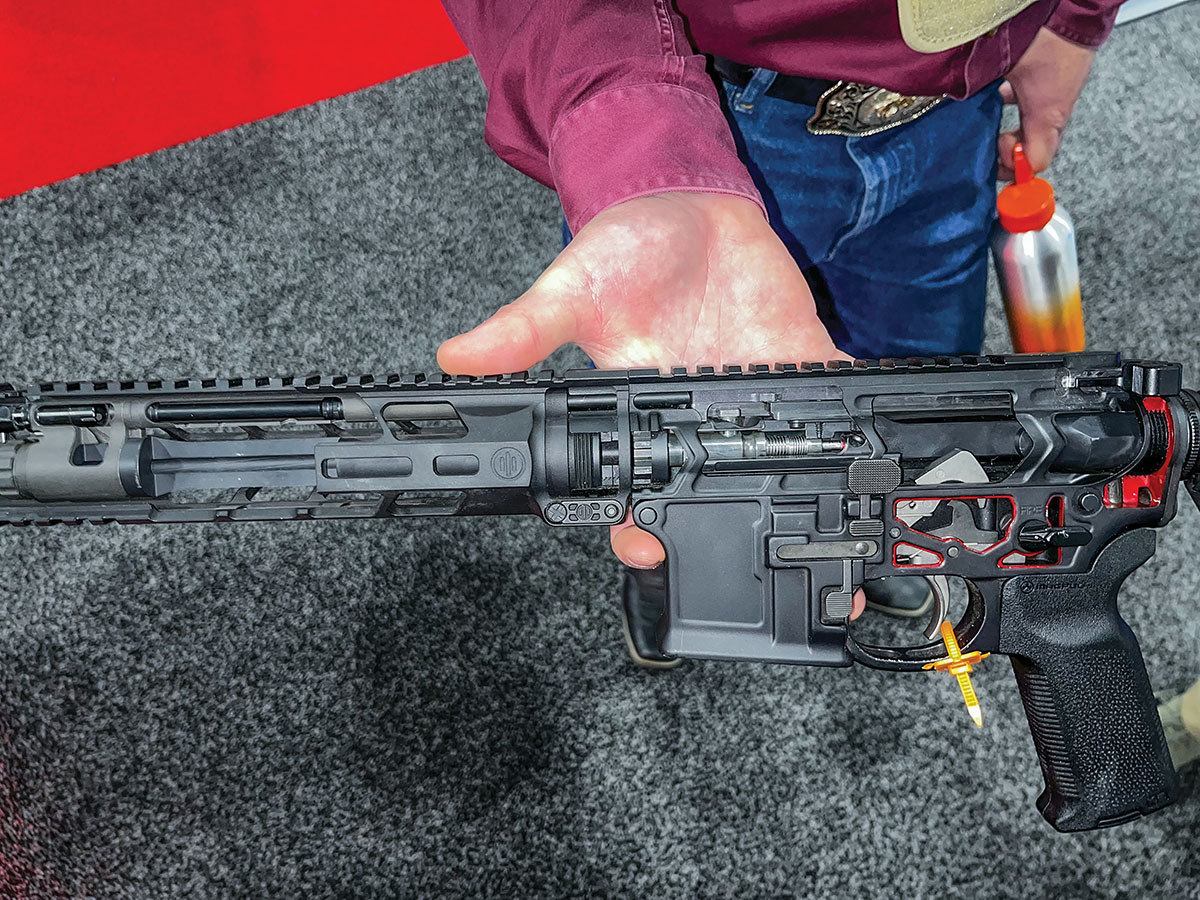
Taking a close look at PWS’s long stroke system, you’ll notice the operating rod is attached to the bolt carrier group and runs along a piston sleeve to the linkage between this rod and the gas block. When the weapon is fired, gas enters the gas block
and encounters the piston head, pushing the entire system rearwards. Because the operating rod is attached to the bolt carrier, it is engaged and cycled without carrier tilt. The sleeve carrying the operating rod also helps, preventing bolt tilt and keeping the piston and operating rod from accumulating foreign objects and debris. Along the lower portion of the sleeve are three gas ports with increasingly larger orifices from front to rear. These vent pressure incrementally as the piston travels rearward, resulting in a conspicuously smoother recoil impulse that makes it easier to stay on target during rapid-fire shooting, like while addressing a scattering sounder of wild hogs.
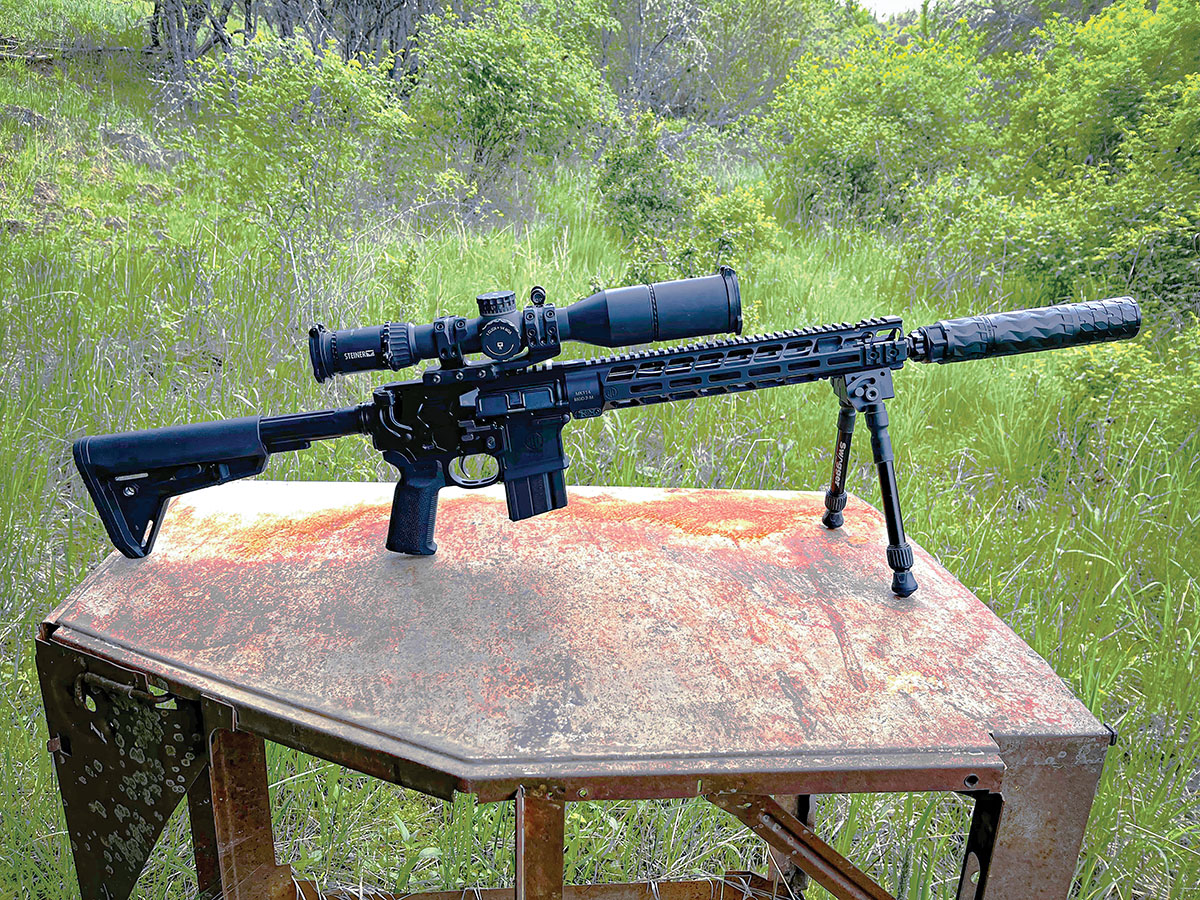
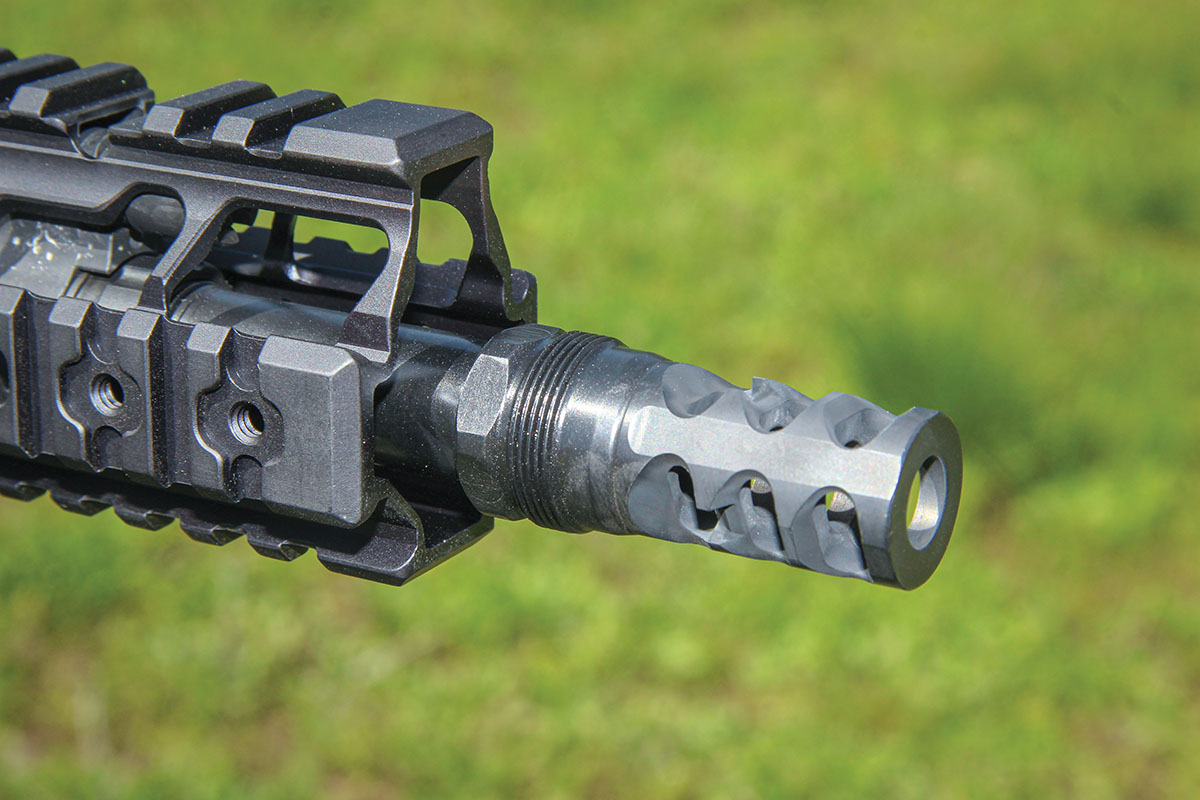
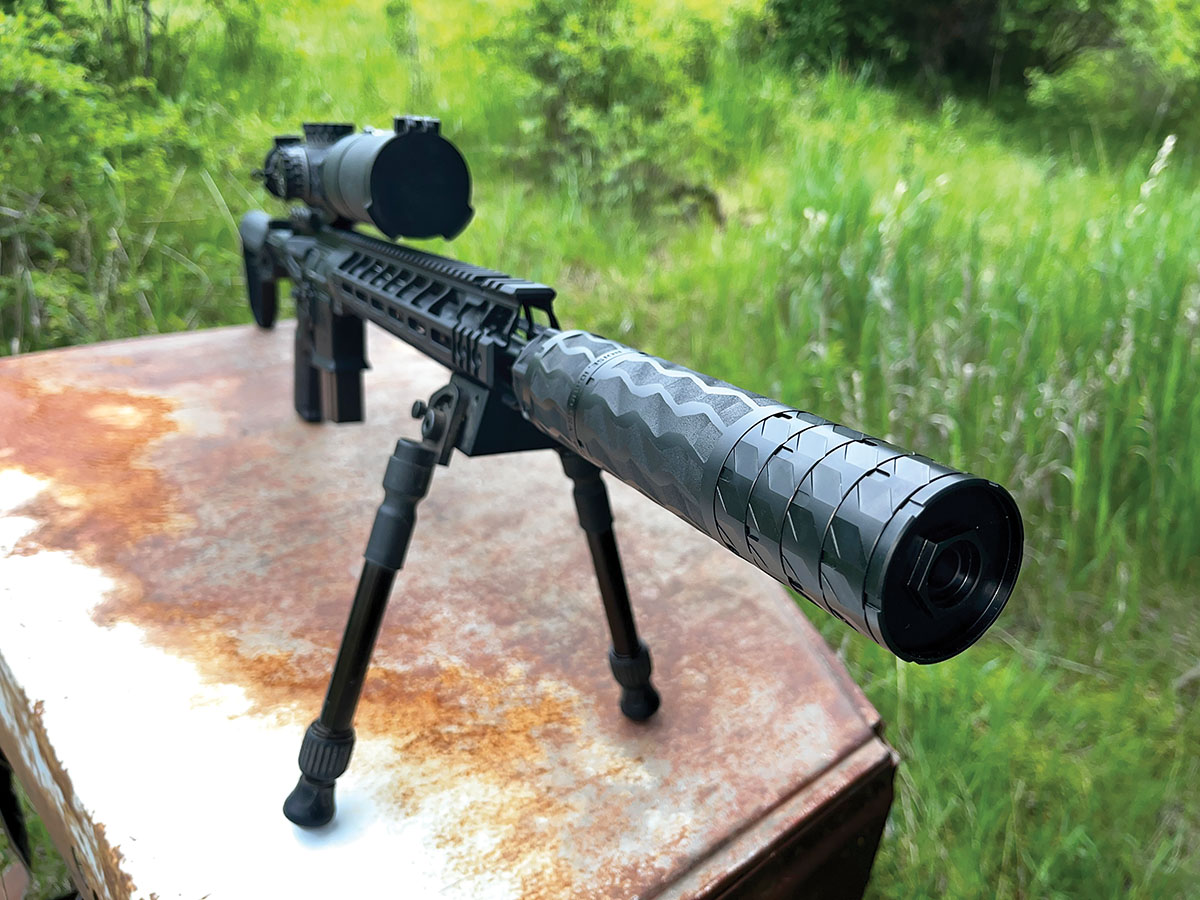
To experience these features firsthand, a firearm was requested. A couple of months later, an MK114 MOD 2-M was delivered. This is one of PWS’s top-end weapons, holding a precision 14.5-inch barrel with a pinned/welded muzzle brake to create an overall length of 16.1 inches. That brake also becomes part of the Rearden Atlas suppressor mounting system. The brake and barrel are both made in Boise. The 1:7.5 rifling twist should handle copper bullets up to 95 grains and lead-core slugs up to 115 grains. This long-stroke piston firearm is chambered in 6mm ARC, features premium
ambidextrous controls, a lightweight MOD 2-M forged receiver, and an adjustable gas block. The only downside here is their proprietary barrel and gas systems make swapping barrels and parts not manufactured by the company to facilitate changing chamberings problematic.
I’ve covered the 6mm ARC (Advanced Rifle Cartridge) at great length previously, in ARs and bolt rifles. It is a cartridge that optimizes ballistics, energy delivery, and long-range capabilities from the AR-15 platform. I
was fortunate enough to get my hands on one of the very first available 6mm ARC AR-15 rifles, using it to bag a fine Texas whitetail buck at a laser-measured 268 yards, and a dozen or more Texas wild hogs on that and subsequent trips south. It is a remarkable cartridge that performs well beyond its weight class.
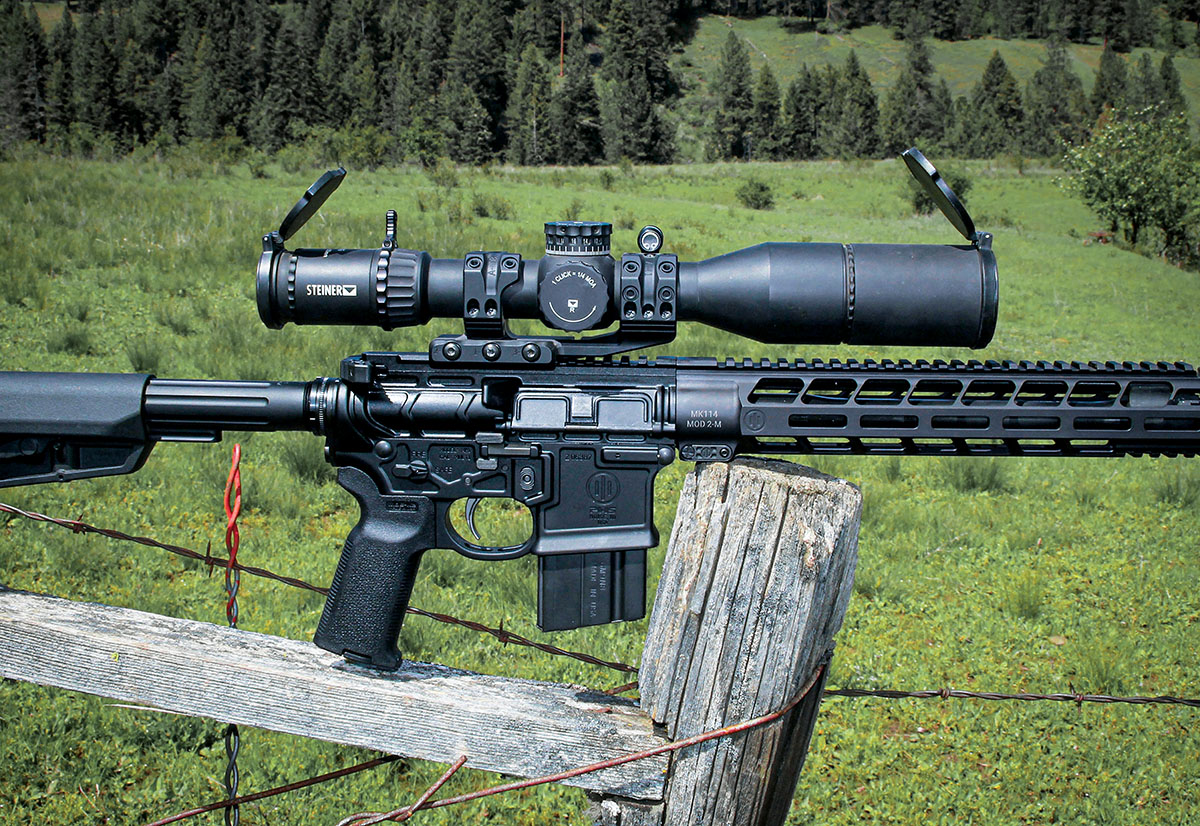
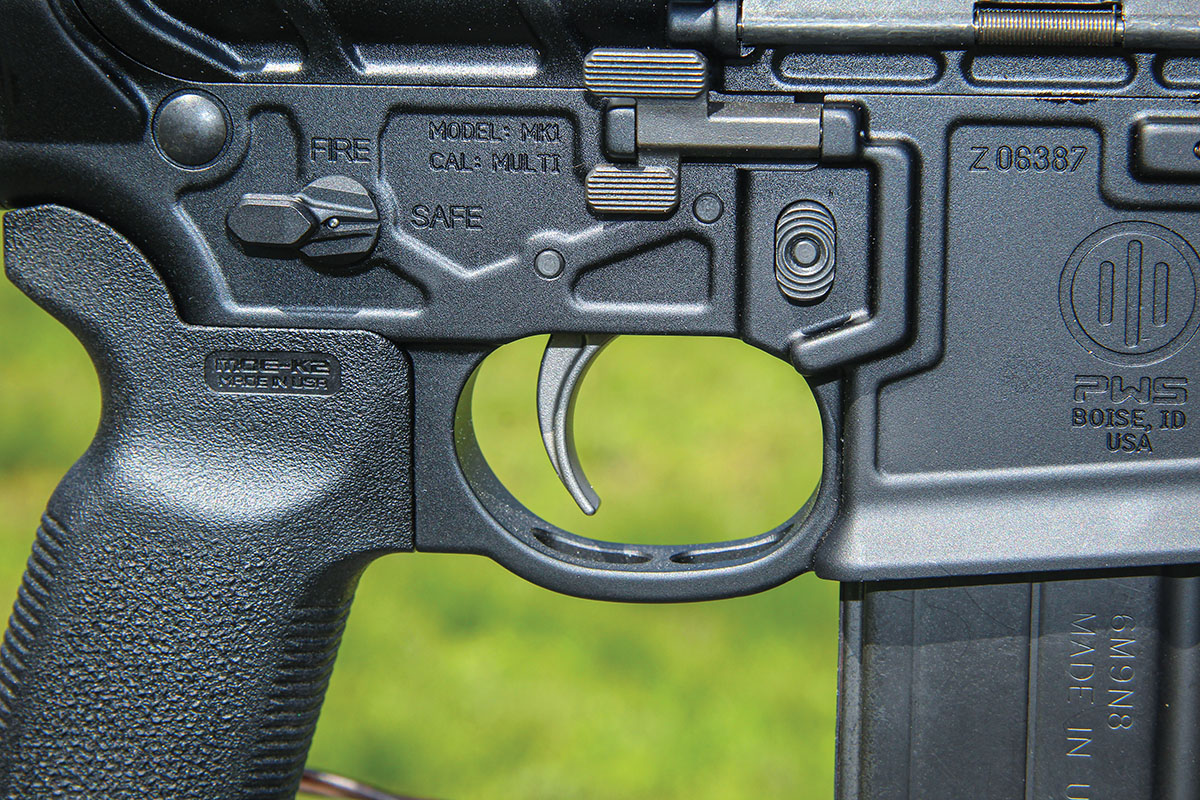
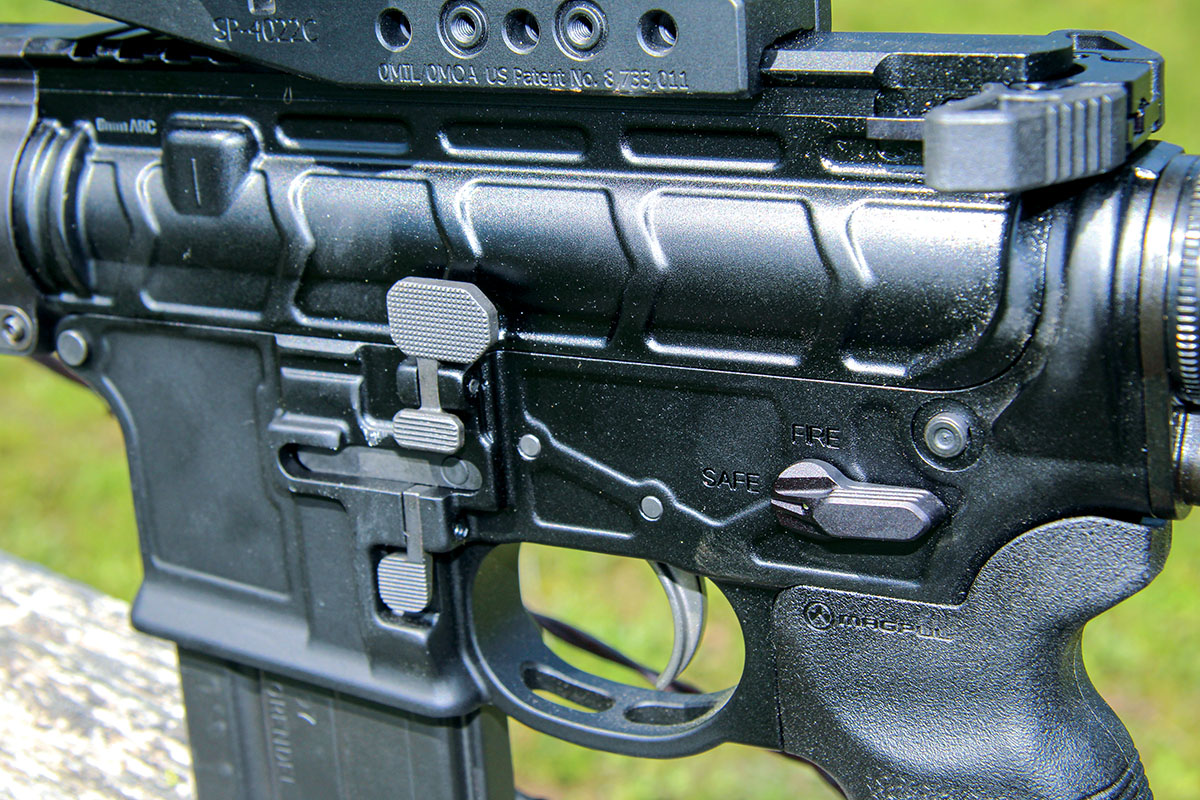
The MK114 MOD 2-M is a rock-solid AR-15 built to maximize ergonomics, ease of operation and durability. The MOD 2-M lower holds ambidextrous controls, including safety, magazine and bolt releases. The lightweight forged, hard-anodized design includes a flared magazine well to facilitate quicker magazine swaps and includes an integral trigger guard for added rigidity. The precision-engineered receiver is milled from 7075-T651 forged aluminum and hard anodized
for durability. It holds a 131⁄2-inch hybrid Picatinny/M-LOK PicLok handguard for versatile accessory coupling. Other components are also top quality, such as the Radian Raptor ambidextrous charging handle and a PTEF-coated Mil-Spec-enhanced trigger with a decent 5.5- to 6.5-pound pull out of the box. If I owned this rifle, the 3-pound Timney Impact AR trigger I have on hand would be immediately installed. The rifle is compatible with standard drop-in AR triggers. The MK114 MOD 2-M isn’t a
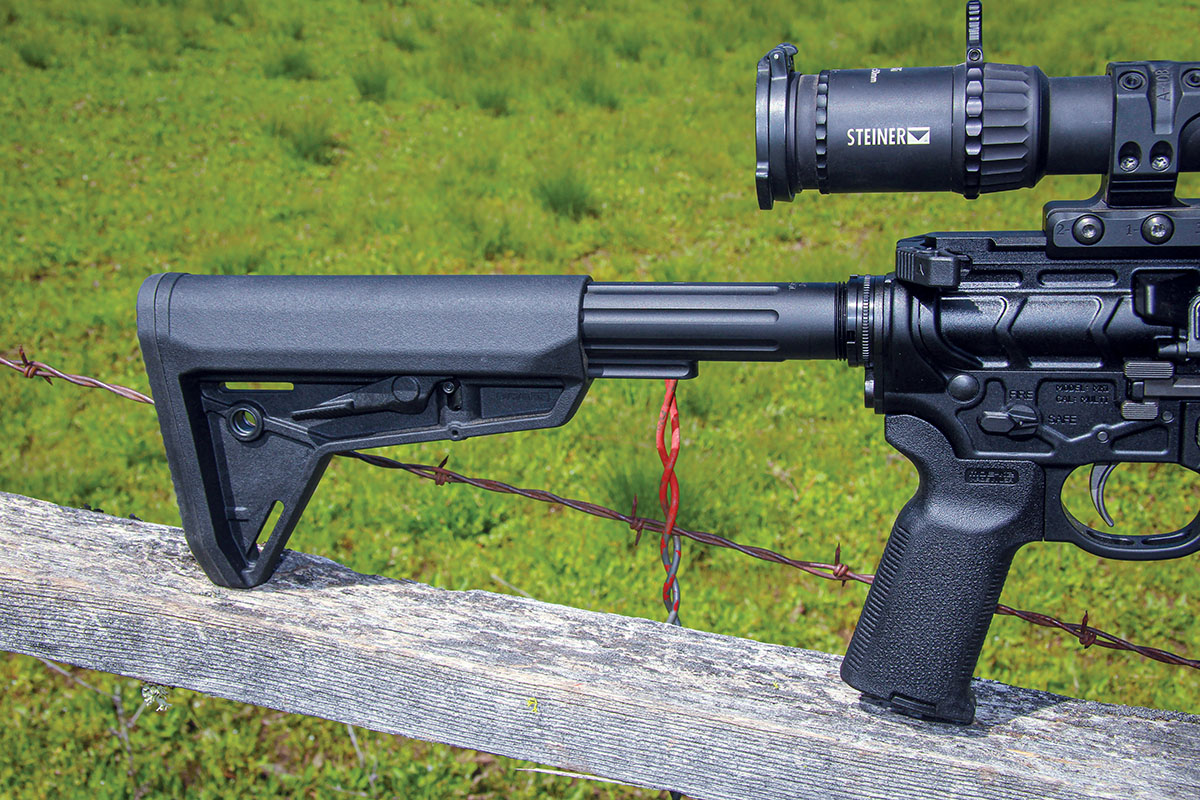
The enhanced buffer system measures 1.2 inches in diameter and includes multiple flutes running its length, a ratchet lock attachment system and a built-in QD (quick disconnect) mount. The enhanced H2 steel-body buffer offers effective recoil management. The ML114 comes with Magpul furniture, including an MOE SL Carbine Stock and MOE K2 Grip, which offer complete control and shooting comfort.
PWS eliminated the forward assist on the MK114, which I applaud. I’ve never found that a forward assist mechanism accomplishes anything more than making a bad situation worse, most commonly with rounds including excessive overall loaded
lengths, causing bullets to jam into the rifling. The piston-driven system eliminates the debris that would make a forward assist potentially valid, namely in a suppressed direct impingement system. The lack of gas rings also allows the bolt to fully close with much less forward pressure.
The test firearm’s 14.5-inch, free-floated barrel proved maneuverable even after adding a 9-inch PWS BDE 762 TI Suppressor. I emphasize this as a frequent hog hunter typically operating from inside a vehicle on private land. Hurriedly clambering in and out of a truck, or addressing an unexpected hog appearing unexpectedly around a ranch-road bend, can turn frustrating with a full-length barrel holding an attached can. Understand, this is culling pure and simple, not a sporting proposition (for my hosts at least), and all shooting is conducted behind locked gates with access strictly controlled. When in Texas…
The 6mm ARC, in conjunction with the 14.5-inch barrel and quality suppressor, results in negligible recoil whether shooting with the PWS FRC 3-Port Compensator exposed (hearing protection absolutely necessary!) or beneath the suppressor via the Rearden Atlas suppressor mounting system. The short barrel produced an
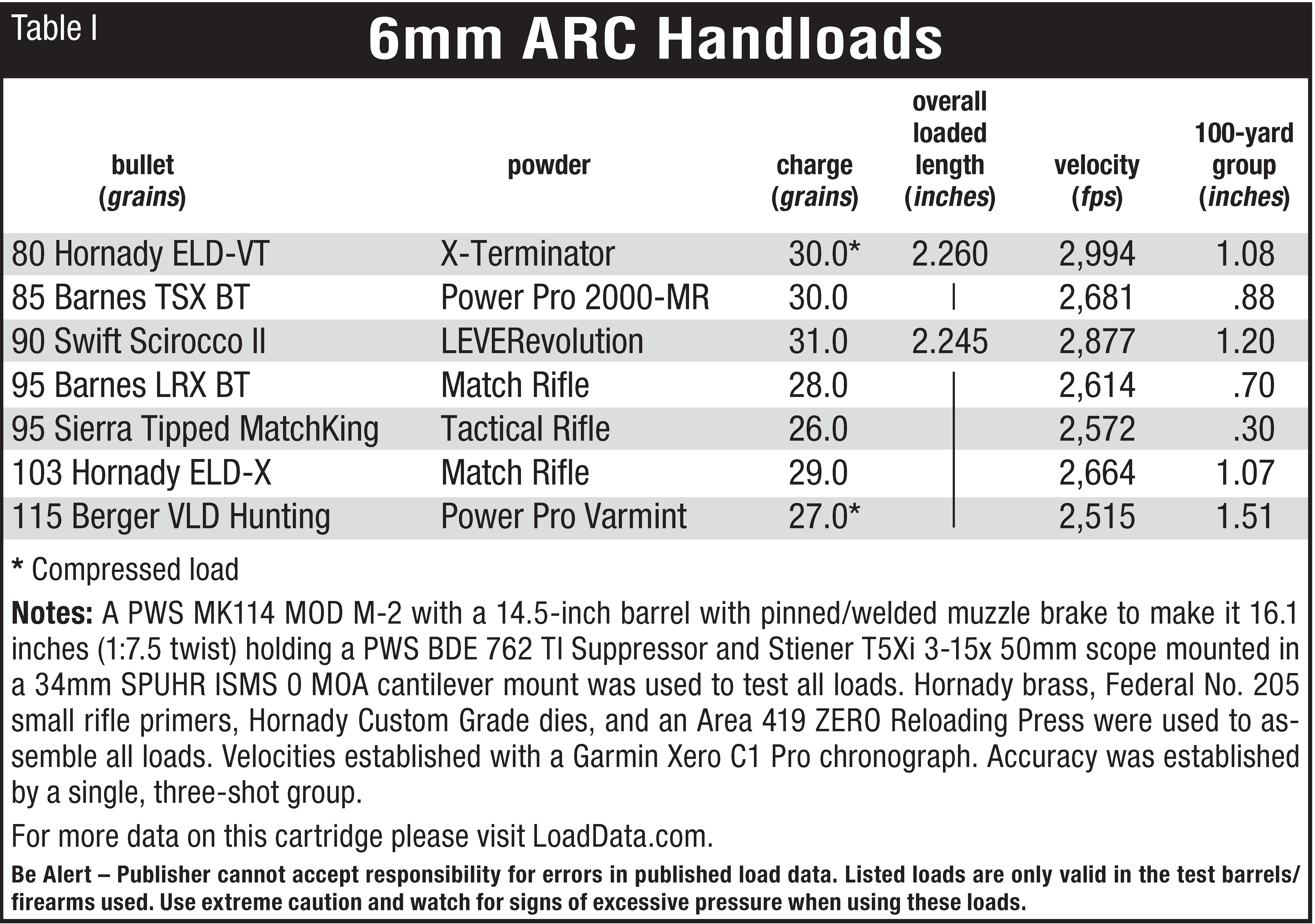
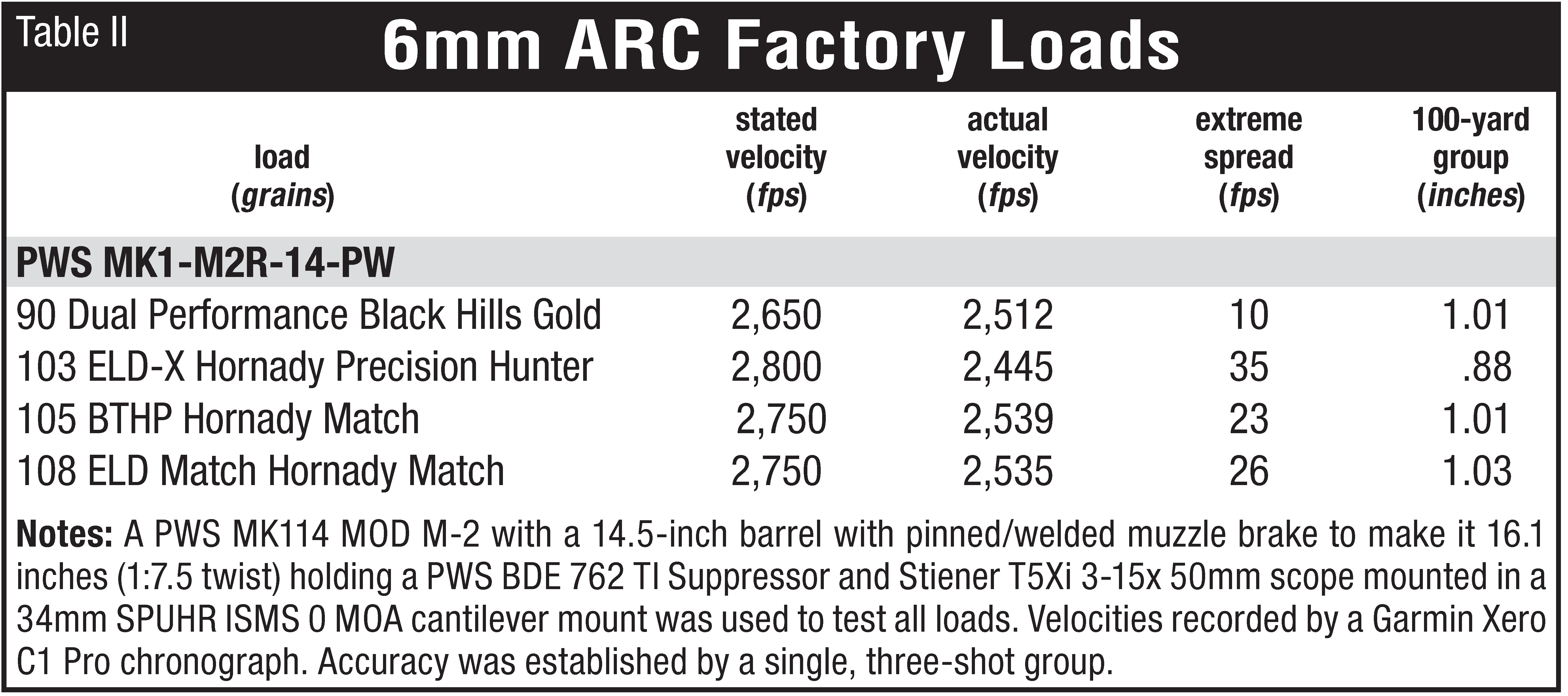
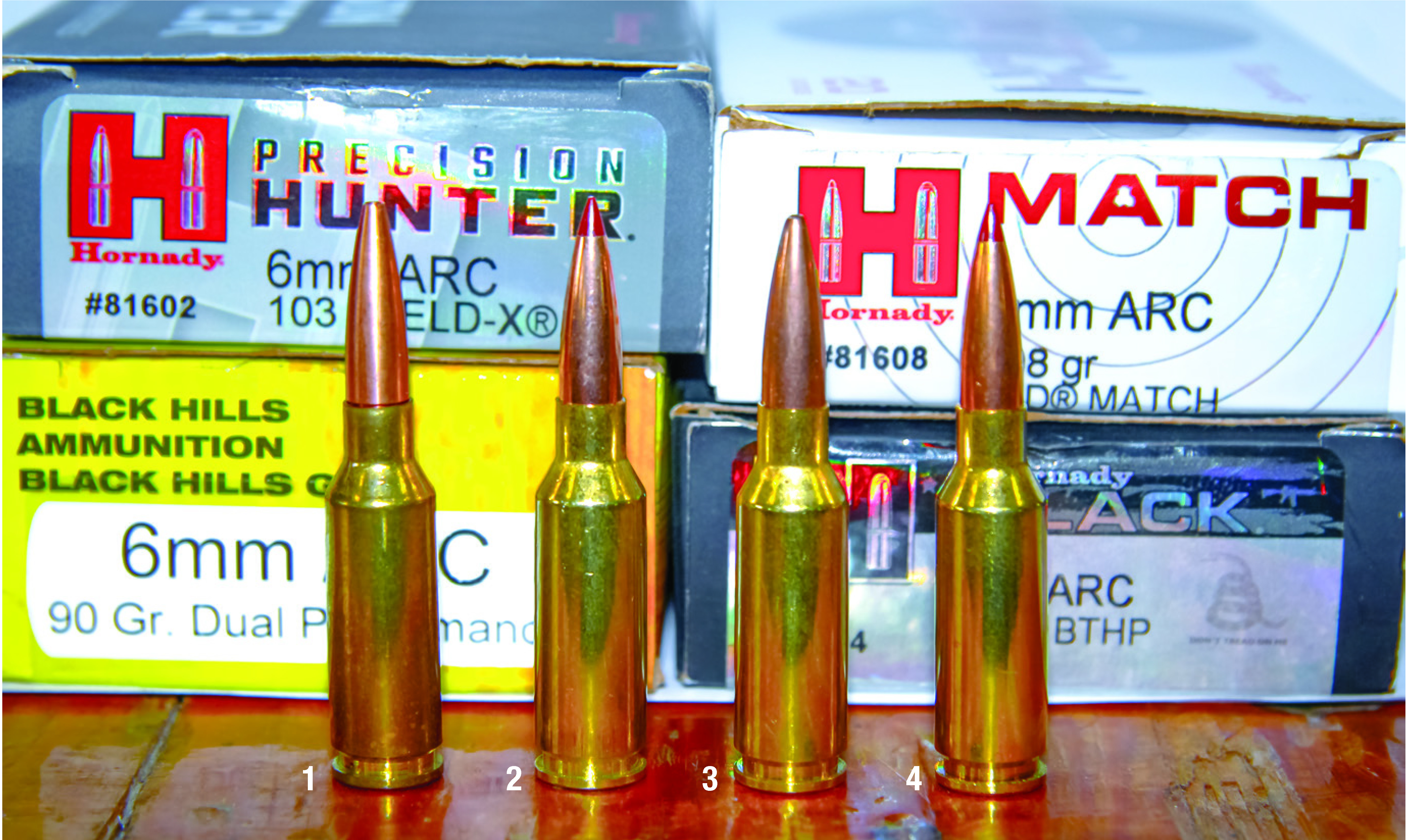
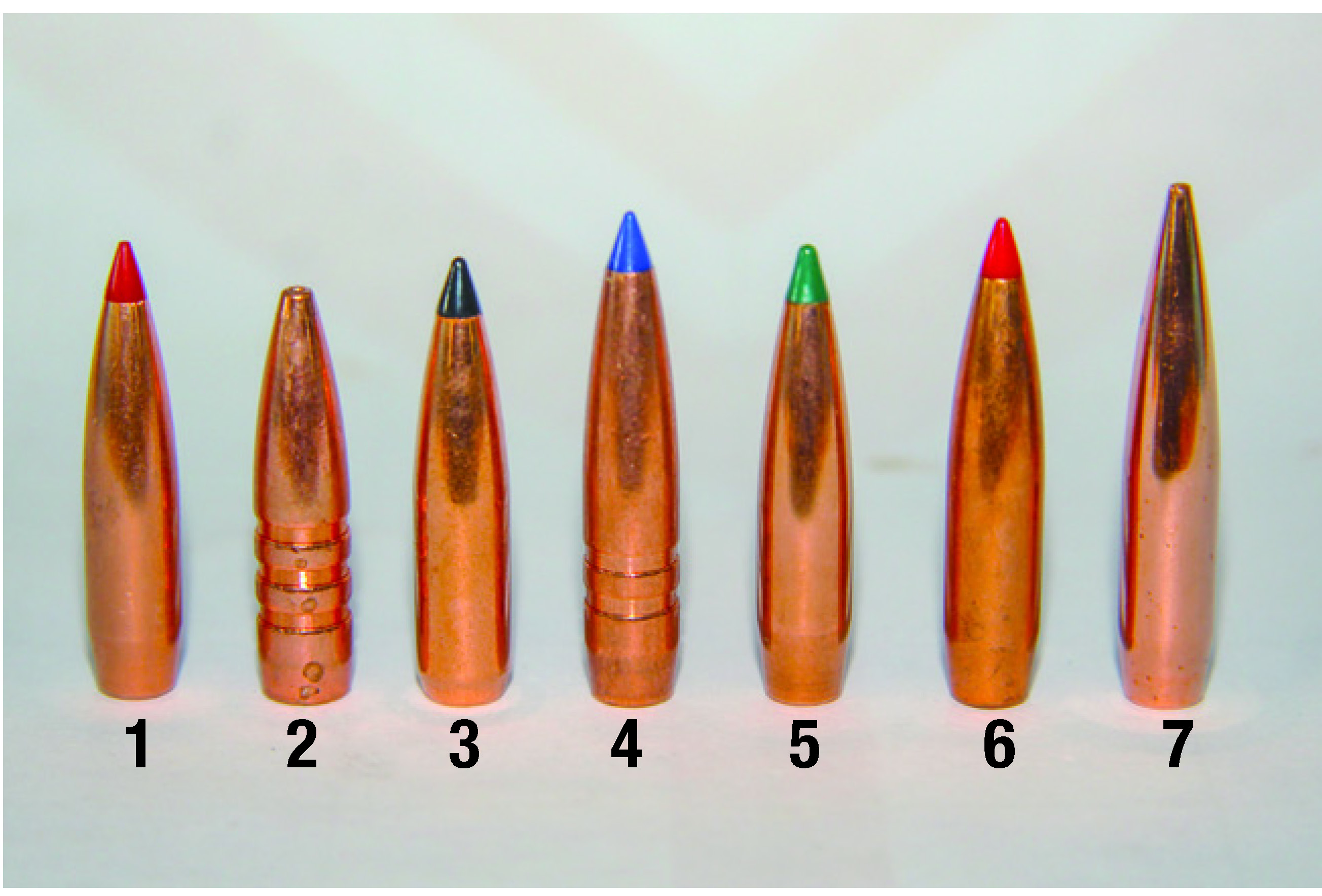
average net loss of 188 to 272 fps from stated factory-load velocities (the latter including a single ammunition with a wider velocity loss gap than three other factory ammunition). That is an acceptable sacrifice in exchange for the compact convenience. The short barrel also provided excellent accuracy with a variety of ammunition types – including four factory loads firing hunting and target bullets from 90 to 108 grains, and seven handloads loaded with target and hunting bullets weighing from 80 to 115 grains.
PWS extends a sub-MOA accuracy guarantee when using premium factory ammunition. One factory load tested met that promise; the other three were close enough to declare truth in advertising. Results with the fairly random handloads were a mixed bag, but enough of them shot into less than an inch to show the potential of one of the target bullets printing a group close to ¼-MOA.
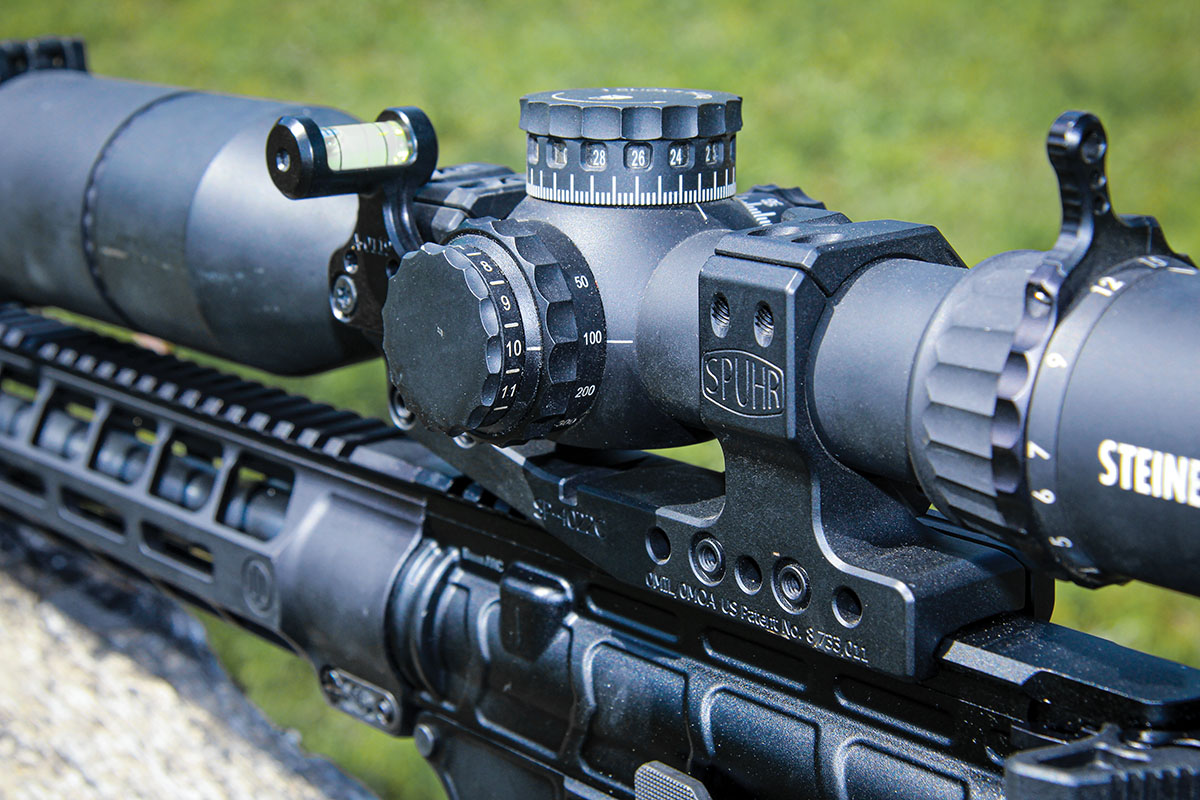
A Steiner T5Xi 3-15x 50mm scope mounted in a Swedish-made, 34mm SPUHR ISMS (Ideal Scope Mount System) 0 MOA cantilever system was used during testing. This has become my standard bearer when testing most AR-type firearms, providing precise turret movements, top-quality optics for clean viewing and a fine reticle to allow precision shot placement. The substantial scope and mount did upset the MK114’s lightweight 6.9-pound starting weight (unloaded), bringing the finished weight to 10.98 pounds, including the PWS BDE-762 TI Suppressor. This is admittedly a lot of scope for such a compact rifle, but it is versatile enough not to prove ridiculous. The 15x setting also better revealed accuracy potential than a typical straight-tube, 1-6x AR-style scope would have.
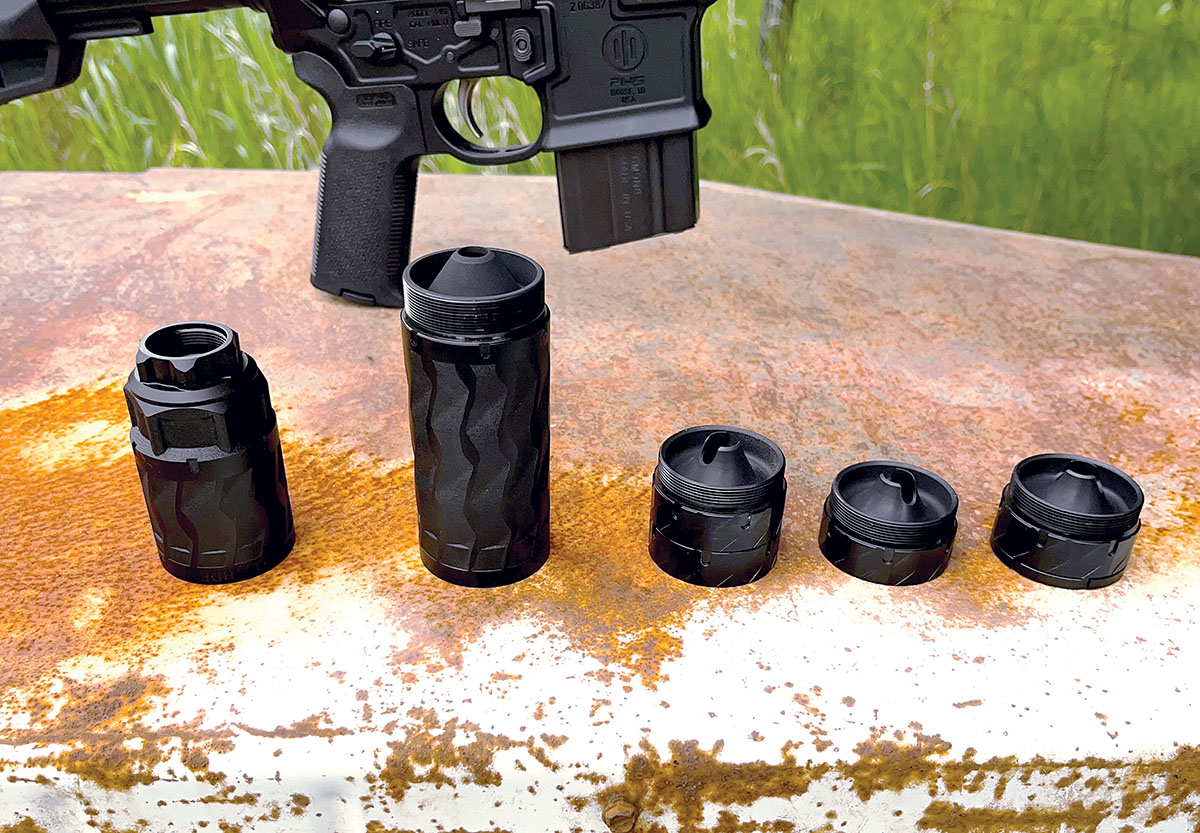
The MK114 MOD 2-M’s overall design is suppressor optimized to minimize back pressure and gas blowback, leading to a cleaner, more comfortable shooting experience. To test this rifle as a complete system, PWS supplied a BDE 762 TI Suppressor. BDE is a line of 3-D printed titanium suppressors, including modular baffles that allow adjusting length and sound reduction. The precision-engineered baffles minimize backpressure to mitigate blowback for further cleanliness and shooting enjoyment. The advanced baffle design also promises quieter shooting than comparable suppressor designs, while optimizing accuracy through symmetrical internal baffle notches. The system also reduces recoil. It includes a universal 1.375x24 threads per inch (TPI) pattern mounting, and the exterior receives a diamond-like carbon (DLC) coating for increased wear resistance. Special exterior textures also promise to minimize heat mirage, and the 3-D-printed, Grade 5 6AL-4V titanium is lighter and stronger than traditional machined titanium. The removable baffle system holds tapered threading to prevent carbon locking or loosening between the baffles during prolonged shooting. The BDE-762 retails for $1,049.99, a steal for a TI Suppressor.
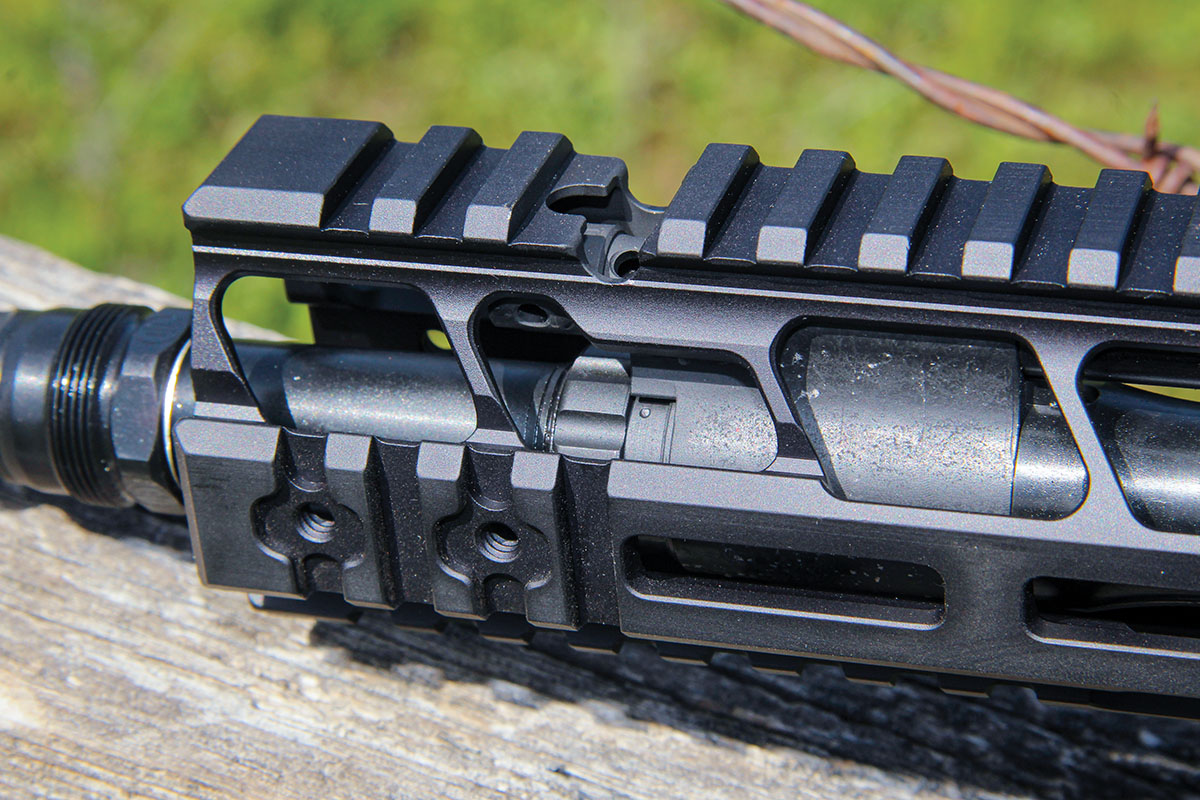
As hinted, PWS provides a rail cutout allowing access to the three-position adjustable gas block. In general, position one is used for unsuppressed fire; position two for suppressed fire in conjunction with a low blowback can; position three is for suppressed fire with a high blowback can. It can also be used to tune for maximum reliability across various ammunition types or to create a preferred recoil impulse. Also, because the long stroke piston system doesn’t blow carbon and hot gases back into the bolt carrier, it operates cooler aside from running cleaner. Even after sustained fire, I could poke a finger inside the handguard and find the barrel nearly cool to the touch.
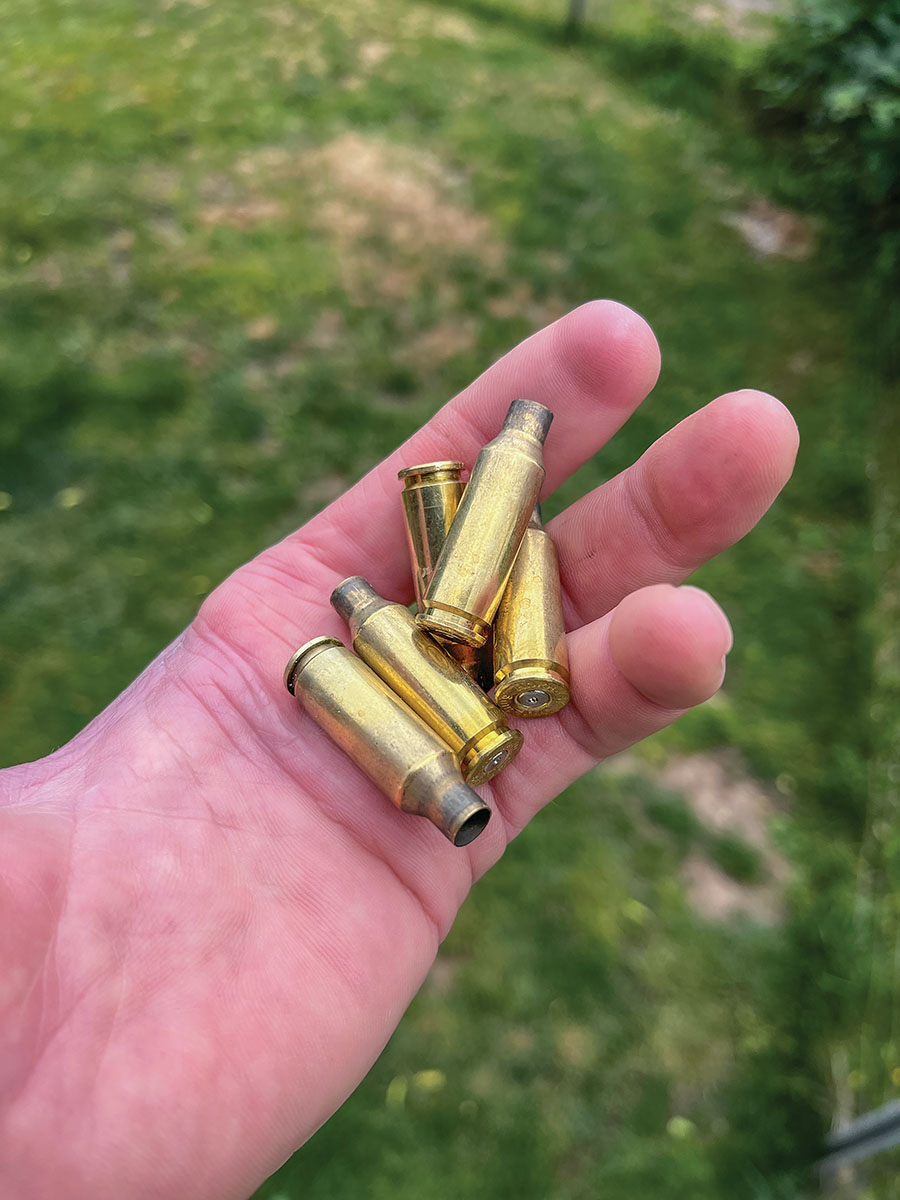
Having shot a good number of suppressed direct-impingement AR platforms, I was first impressed by how clean all of my brass emerged after firing. The last 6mm ARC-chambered AR I tested, and especially my 22 ARC AR, when suppressed, spit out brass so dingy they appear to have been lying in the dirt for months. The PWS platform ejected brass that were all as shiny as new pennies. For what it is worth, the rifle also piled brass from every load tested in a fairly neat pile, instead of scattering them randomly.
As an overall system, the MK114 MOD 2-M rifle equipped with a BDE 762 TI Suppressor and 6mm ARC chambering makes a very sweet firearm setup. As advertised, it does run cleaner, cooler and softer than any shooter can get behind. I suddenly have a hankering to get back to Texas, as this firearm really does deserve some hog-culling time.